
Takayama in Winter: Snowy Old Town, Morning Markets, Hida Beef and Shirakawa-go
November 13, 2026
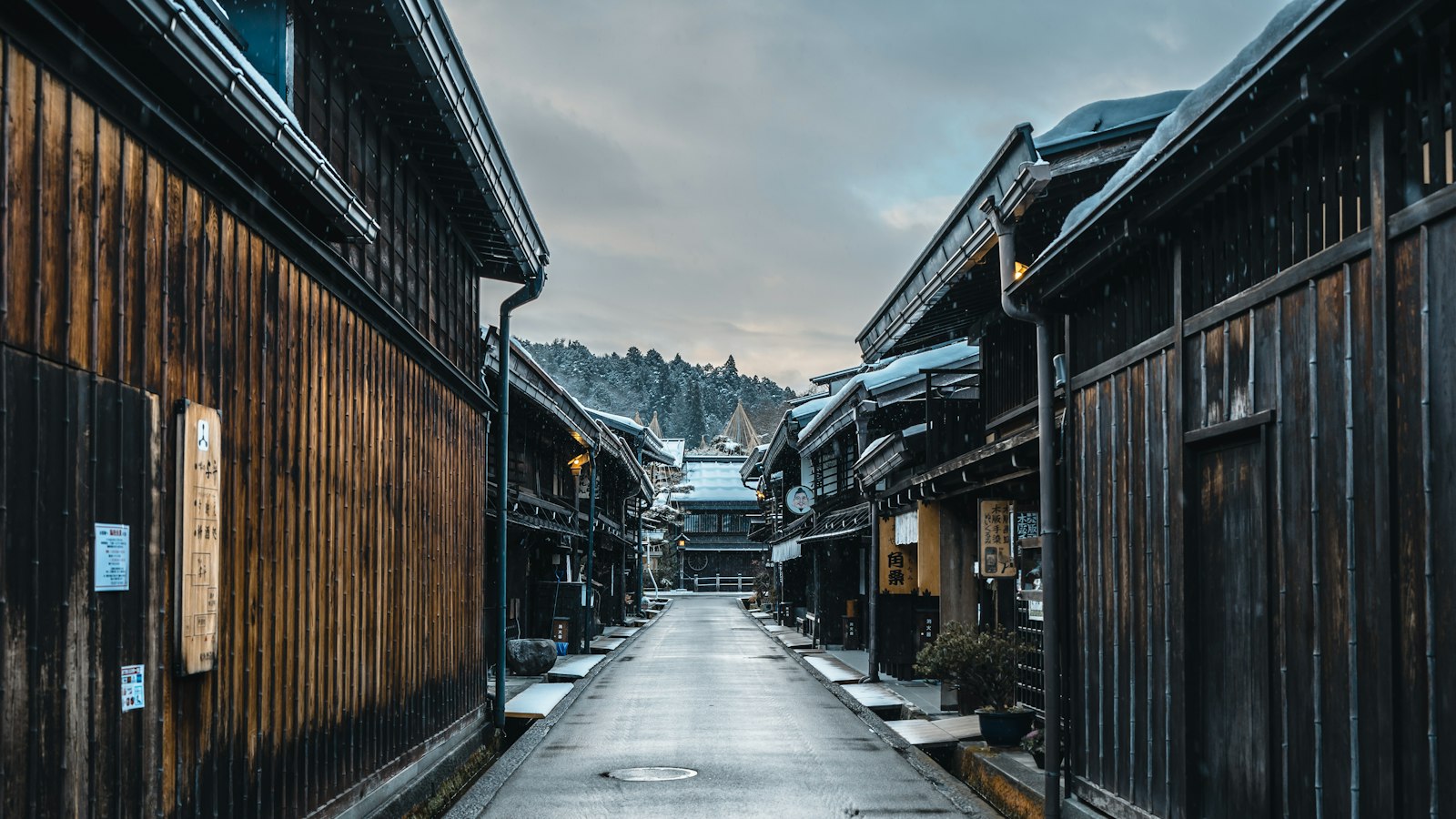
1. Quick Answer
Takayama (Hida-Takayama, Gifu Prefecture) is an old town in the Japanese Alps, famous for its Sanmachi historic streets, riverside morning markets, sake breweries and Hida beef. In winter, snow on the wooden rooftops makes the old town look like a painting, and Takayama is a convenient base for Shirakawa-go.
- Getting there: the JR limited express “Hida” from Nagoya takes about 2 hours 15 minutes to 2 hours 40 minutes; from Toyama about 1.5 hours.
- Sightseeing costs: the old town is free; Takayama Jinya ¥430; the Takayama Festival Floats Exhibition Hall ¥1,000.
- How long: one or two nights, plus an extra day for Shirakawa-go or Okuhida.
We checked these details on November 13, 2026, against the sources listed at the end. Prices, opening hours and winter bus schedules can change; check Takayama's official tourism site before you go.
2. Why Visit Takayama in Winter?
- Snowy old streets: the Edo-period merchant houses look especially beautiful under snow.
- Fewer crowds than peak season: compared with the April and October festivals, winter is usually quieter (except around New Year).
- Warming food: hot pots, hoba-miso (miso grilled on a magnolia leaf), Takayama ramen and freshly brewed sake.
- Gateway to Shirakawa-go and Okuhida: thatched-roof villages and outdoor hot springs in the snow.
3. The Sanmachi Old Town
The old town (Sanmachi-suji, around Kami-Sannomachi) has rows of dark wooden houses, small canals, craft shops, cafés and sake breweries. Walking around is free.
- A ball of cedar leaves (sugidama) hanging over a door marks a sake brewery; many have tasting counters (usually for a small fee – NEEDS VERIFICATION at each).
- Go early in the morning or late in the afternoon to avoid midday tour groups.
- Many shops close early (around 17:00), and the old town is very quiet in the evening.
- The stone paving can ice over in winter; wear shoes with good grip.
4. The Miyagawa and Jinya-mae Morning Markets
Takayama has two morning markets, open daily from about 7:00 to 12:00 (they may start later in winter – NEEDS VERIFICATION):
- Miyagawa Market: along the Miyagawa River, with stalls selling vegetables, pickles, crafts and snacks.
- Jinya-mae Market: smaller, right in front of Takayama Jinya.
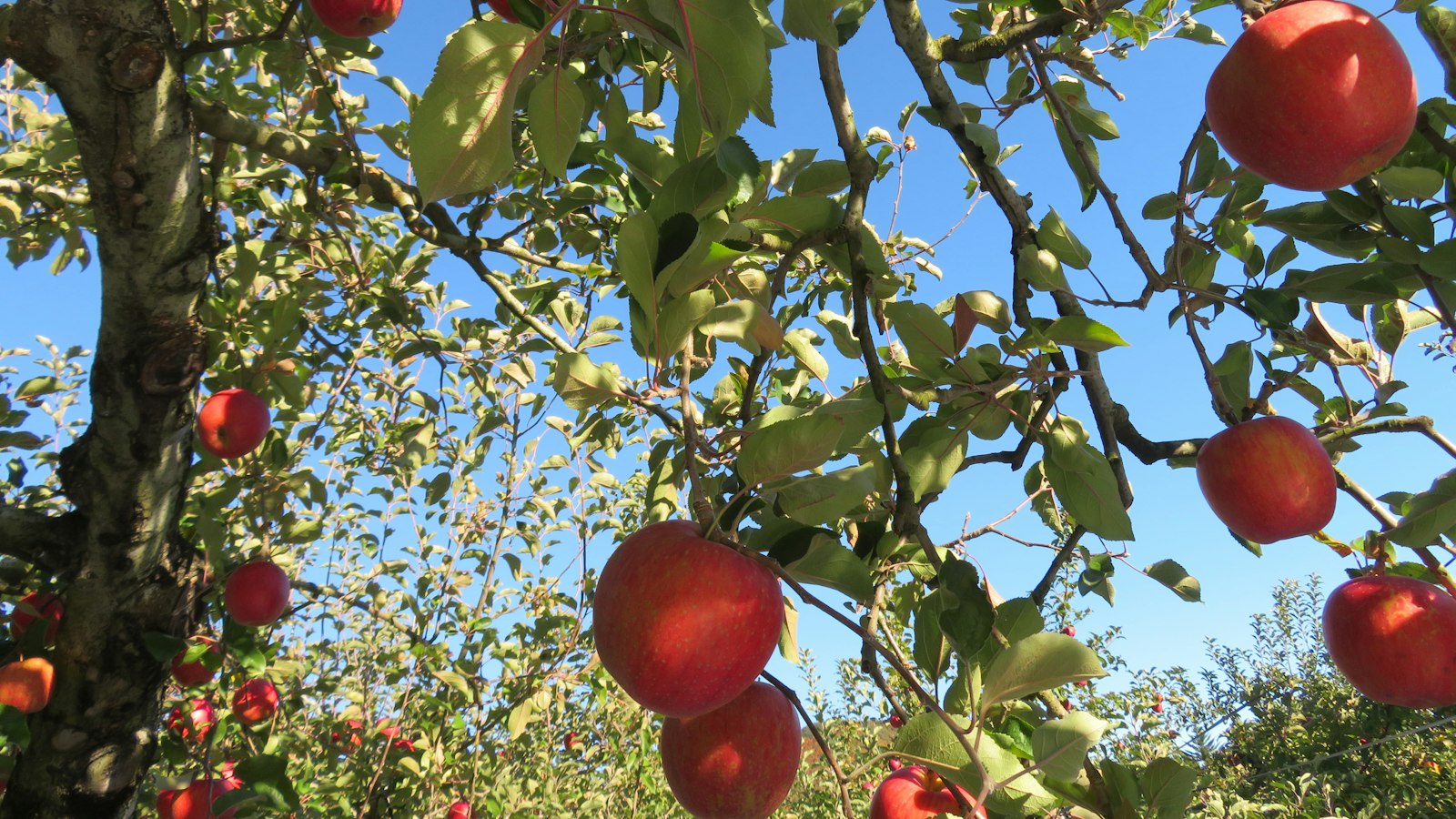
Try Hida pickles, grilled rice cakes, apples and crafts such as sarubobo, the faceless good-luck dolls of the Hida region.
5. Takayama Jinya and Other Sights
| Sight | Price (adults) | Notes |
|---|---|---|
| Takayama Jinya | ¥430 (high-school age and under free) | The only intact Edo-period government office of its kind in Japan |
| Takayama Festival Floats Exhibition Hall (with Sakurayama Nikko-kan) | ¥1,000 | Festival floats on display all year |
| Hida no Sato (Hida Folk Village) | NEEDS VERIFICATION | Open-air museum of thatched farmhouses, about 10 minutes by bus from the station |
Hours vary by season and are often shorter in winter. The main Takayama festivals are on April 14–15 (spring) and October 9–10 (autumn); if you can't be there for them, the exhibition hall is the way to see the floats.
6. Hida Beef: What and Where to Eat
- Hida beef sushi (nigiri): a famous old-town snack eaten standing at the counter, often served on a rice cracker so you can hold it.
- Beef skewers, buns and croquettes: street food.
- Hoba-miso with Hida beef: miso and beef grilled on a dried magnolia leaf over a small burner.
- Steak and sukiyaki: at restaurants; prices vary widely by grade.
Ask the price first, especially for dishes sold by weight. Book Hida beef restaurants for dinner at weekends. For more cold-weather dishes, see our guide to winter food in Japan.
7. Other Things to Try
- Takayama ramen: a clear soy-sauce broth with thin, curly noodles.
- Mitarashi dango: grilled rice dumplings brushed with soy sauce (less sweet than elsewhere).
- Hida sake: a cold mountain region with excellent water; winter is when new sake is brewed.
- Hida pickles (tsukemono) and Hida apples.
8. Visiting Shirakawa-go from Takayama
The express bus from the Takayama Nohi Bus Center to Shirakawa-go takes about 50 minutes. There are fewer services in winter, so reserve seats if you can. From Shirakawa-go you can continue to Kanazawa or Toyama. The 2027 Shirakawa-go winter illumination has four evenings, 17:30–19:30, for visitors with reservations only; see our guide to the Shirakawa-go light-up 2027. If you're continuing to Kanazawa, see our two-day Kanazawa guide.
9. Okuhida Onsen and the Shinhotaka Ropeway
Buses from Takayama pass through the five Okuhida hot-spring areas to the Shinhotaka Ropeway, with double-decker cabins and a viewing deck above 2,000 m overlooking the snowy Alps. In winter, many Okuhida ryokan have outdoor baths surrounded by snow. Ropeway fares and winter bus schedules NEED VERIFICATION on the official sites; it's very cold up high, so dress as if you're going skiing.
10. Getting to Takayama
| From | How | Time (approx.) |
|---|---|---|
| Nagoya | JR limited express “Hida” | about 2 hr 15 min – 2 hr 40 min |
| Toyama | JR limited express “Hida” | about 1.5 hours |
| Tokyo | Shinkansen to Nagoya then the “Hida”; or a highway bus from Shinjuku | about 4.5 hours or more |
| Kanazawa / Shirakawa-go | Nohi express bus | Shirakawa-go – Takayama about 50 min |
The Hida runs along the Hida River gorge, which is gorgeous in winter; get a window seat. The train stops at Gero Onsen, another famous hot-spring town. See also our Shinkansen guide and our guide to choosing a JR regional pass in 2026.
11. Suggested Two-Day Itinerary
Day 1
- Midday: arrive in Takayama, drop your bags and have Takayama ramen.
- Afternoon: Takayama Jinya, the Sanmachi old town and a sake tasting.
- Evening: Hida beef (hoba-miso or sukiyaki) and an onsen soak at your hotel.
Day 2
- Early morning: the Miyagawa morning market and Hida beef sushi.
- Late morning: the Festival Floats Exhibition Hall or Hida no Sato.
- Afternoon: bus to Shirakawa-go and on to Kanazawa, or stay in Okuhida.
12. Weather and What to Pack
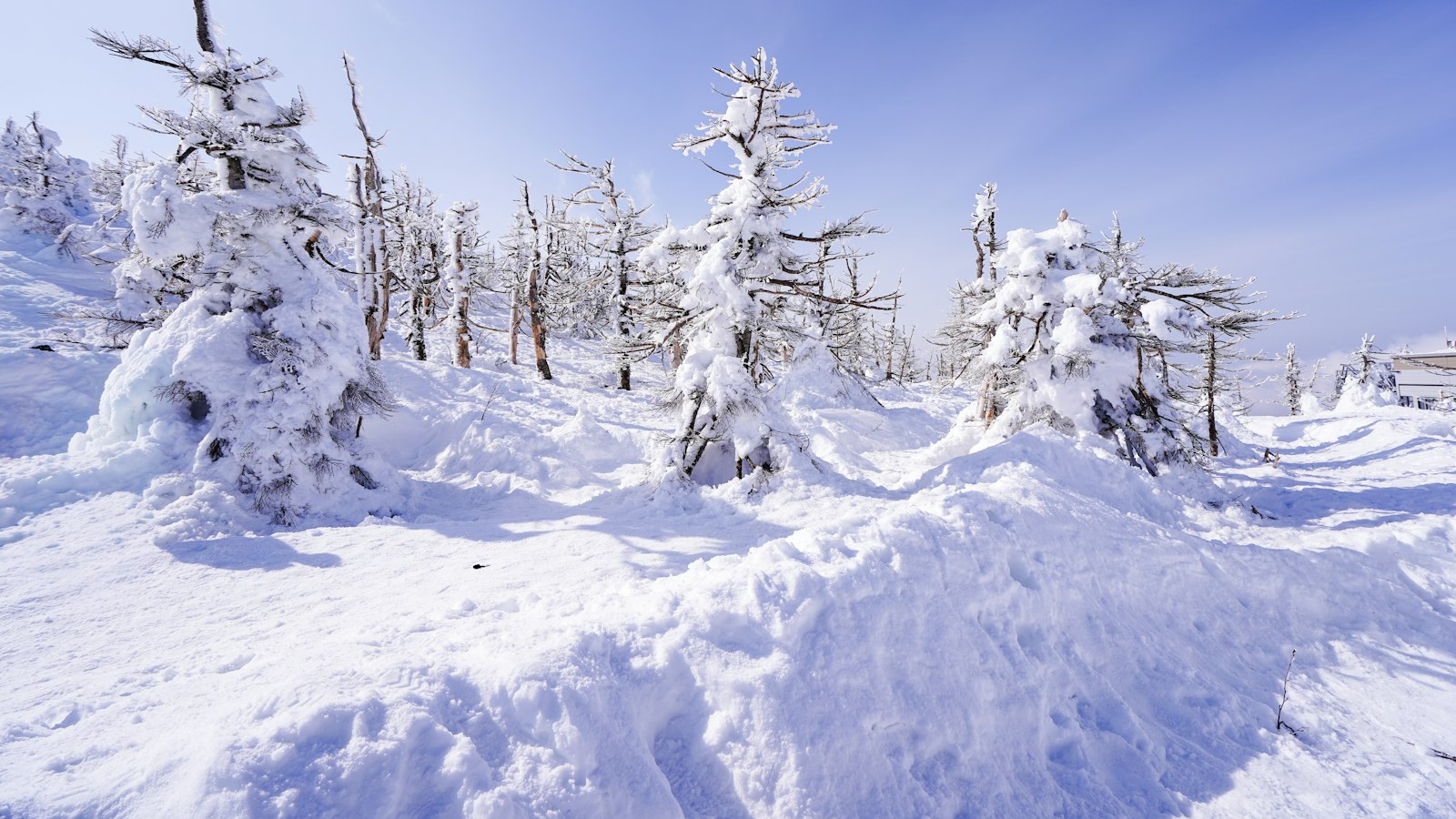
- The Hida highlands are much colder than Nagoya, with heavy snow in winter.
- A thick coat, gloves, a warm hat and snow boots with good grip.
- Winter bus timetables are thinner, and trains may be delayed in heavy snow.
See our guide to staying warm in winter in Japan.
13. Common Mistakes to Avoid
- Visiting the old town at midday: the busiest time; go early or late.
- Not booking the Shirakawa-go bus: it can sell out in winter and on illumination days.
- Planning a late dinner: many Takayama restaurants close early; book ahead.
- Drinking a lot of sake and then walking on icy streets.
- Not checking the Hida train in heavy snow.
14. Your Phone and Mobile Data
You'll need data to book the Shirakawa-go bus, check Hida train times, use old-town maps, translate Hida beef menus and check mountain weather. Free Wi-Fi in the old town is unreliable (see our guide to free Wi-Fi in Japan).
Need mobile data during your Japan trip? Compare HD Telecom's available eSIM and Wi-Fi options, and check device compatibility before choosing a plan. Visitors can read our guide to travel eSIMs for 5–14 day trips. For longer stays, see HD Telecom's Monthly Data eSIMs (your phone must support eSIM) and Monthly Pocket WiFi rentals, and check each plan's data allowance, the speed after the allowance runs out, coverage and the terms on the product page.
15. Estimated Costs for Two Days
| Item | Estimate |
|---|---|
| Limited express “Hida” Nagoya–Takayama one way | roughly ¥6,000–7,000 (reserved seat) – NEEDS VERIFICATION |
| Takayama Jinya | ¥430 |
| Festival Floats Exhibition Hall | ¥1,000 |
| Hida beef sushi (street snack) | varies by shop – NEEDS VERIFICATION |
| Hida beef dinner | varies widely by grade and restaurant |
| Bus to Shirakawa-go | NEEDS VERIFICATION |
These are rough figures for planning; Hida beef is the biggest variable, so set a budget before you sit down.
16. Photography Tips
- Early mornings: the old streets are empty and fresh snow is undisturbed.
- Nakabashi Bridge: the red bridge over the Miyagawa River is a classic shot, especially with snow.
- Respect residents: the old town is lived in; don't enter private property or block doorways.
- Exposure: increase it slightly in snowy scenes so the snow looks white.
17. Combining Takayama with a Wider Trip
- Nagoya → Takayama → Shirakawa-go → Kanazawa: a classic route through central Japan.
- Gero Onsen: stop on the Hida line for a night at one of Japan's well-known hot-spring towns.
- Okuhida and Kamikochi: Kamikochi is closed in winter, but Okuhida's onsen and the Shinhotaka Ropeway are open.
For moving between cities, consider sending suitcases ahead (see our guide to luggage forwarding in Japan).
18. Takayama in Other Seasons
- Spring: the Sanno Festival (April 14–15) with ornate floats; book accommodation many months ahead.
- Summer: cooler than the lowlands, good for Kamikochi hiking (open from spring to autumn).
- Autumn: the Hachiman Festival (October 9–10) and colorful leaves in the mountains.
Winter is quieter and atmospheric with snow, but you'll need warm clothes and flexible plans for transport.
19. Visiting Sake Breweries Responsibly
Tastings are usually small cups for a fee, and some breweries sell a set of several sakes. Pace yourself, drink water between tastings and eat something first. The legal drinking age in Japan is 20. If you buy bottles to take home, check your airline's and your home country's rules on carrying alcohol, and wrap bottles well for the train.
20. FAQ
Is snow guaranteed in Takayama in January?
It's likely, but not guaranteed every day. Snow is usually deepest from January to February.
Can I visit Takayama as a day trip from Nagoya?
Yes, but it's rushed, as the train takes over two hours each way. One night is more relaxed.
Do I need to book Hida beef restaurants?
Yes at weekends and holidays. Old-town snacks don't need reservations.
Where's the best place to stay?
Near Takayama Station (convenient for trains and buses) or near the old town (walkable). Many ryokan have onsen.
Are places closed over New Year?
Some shops and museums close around December 31–January 1; check ahead if you're traveling then (see our guide to New Year in Japan 2027).
What souvenirs are typical of Takayama?
Sarubobo dolls, Hida pickles, local sake, ichii-ittobori wood carvings and Hida beef products. Check your home country's rules before bringing meat or food back.
Is Takayama walkable in winter?
Yes. The station, the old town and Takayama Jinya are within about 10–15 minutes of each other on foot. Just take care on icy pavements and allow extra time.
Can I see snow-covered thatched roofs without going to Shirakawa-go?
Yes. Hida no Sato, the open-air folk village in Takayama, has relocated thatched farmhouses that look lovely under snow and is easier to reach.
Are there onsen in Takayama itself?
Many hotels and ryokan in town have hot-spring baths. For outdoor baths surrounded by snow, Okuhida is the classic choice.
Is Takayama good for families?
Yes. The town is compact, the morning markets and Hida no Sato are fun for children, and many ryokan offer family rooms. Plan indoor breaks on very cold days.
Do shops in the old town take cards?
Many do, but some small stalls at the morning markets and older shops are cash-only. Carry some yen.
How long does the old town walk take?
Allow two to three hours to browse Sanmachi, visit a brewery or two and try street snacks without rushing.
Is the Hida train affected by snow?
Heavy snow can cause delays and, occasionally, cancellations on mountain lines. Check JR Central's service information on the day, and allow buffer time if you have a flight or Shinkansen connection.
Can I rent a car in winter?
Yes, but snow tires and experience driving on icy mountain roads are essential. Buses and trains are the safer choice for most visitors.
21. Conclusion
Takayama in winter brings together snowy old streets, morning markets, sake and Hida beef, and it's a great base for Shirakawa-go and Okuhida. Walk the old town early in the morning, book buses and restaurants ahead, dress warmly in non-slip shoes, and keep your phone connected to follow trains, buses and the weather.
Sources (checked November 13, 2026)
Related products
Find your plan with HD TELECOM
SIM, eSIM and Pocket WiFi — genuine quality, clear pricing, 24/7 support.