

Japanese Winter Food: Nabe, Oden, Roasted Sweet Potatoes, Snow Crab, and Where to Try Them
October 24, 2026
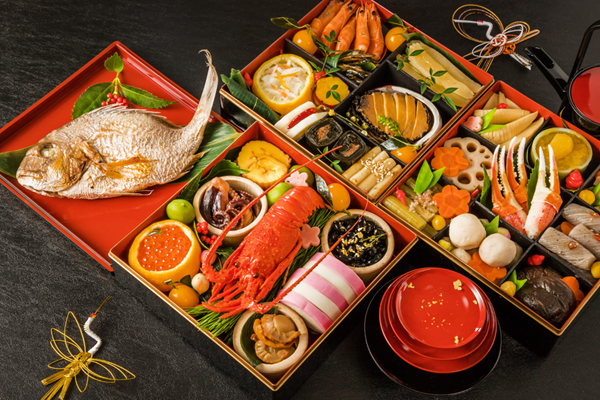
Quick Answer: Winter in Japan (roughly December to February) is the season for hot, communal dishes. The top five foods to try are nabe (鍋 – hot pot with many regional variations), oden (おでん – fish cakes, daikon radish, and eggs simmered in broth), yakiimo (焼き芋 – roasted sweet potatoes), rich-broth ramen, and snow crab — the snow crab fishing season in the Sea of Japan west of Toyama Prefecture usually opens on November 6. If you live in Japan, the cheapest and most fun option is making nabe at home: supermarkets sell ready-made soup bases and pre-cut vegetables. If you are traveling, try oden at a konbini, roasted sweet potatoes at a supermarket or food truck, and save one meal for a regional specialty hot pot like chanko nabe in Ryogoku (Tokyo) or motsunabe in Fukuoka.
The article below introduces each dish, suitable budget spots, seasonality, how to cook nabe yourself, and key tips for people avoiding pork, vegetarians, or those with seafood allergies.
2>Why Winter is the Eating Season in JapanJapanese people deeply value "shun" (旬) — the peak season when a food tastes best during the year. Winter is when daikon radishes grow sweet, cabbages and napa cabbages become firm-leaved, fish store rich fat, and various seafoods like crab, oysters, and cod come into season. The cold weather also makes hot, shared meals the centerpiece of family dinners and gatherings with friends.
For foreigners living in Japan, winter is also a time when heating costs rise and the desire to go outside wanes. Dishes like nabe are warming, inexpensive when cooked at home, and easy to prepare for many people.
Nabe: Japanese Hot Pot and Regional Variations
Nabe is a general term for dishes cooked in a pot set in the middle of the table. Every region and family has its own way of cooking it. Here are some common types:
| Type | Features | Where to Eat |
|---|---|---|
| Yosenabe (寄せ鍋) | "Assorted hot pot": dashi broth, seafood, chicken, vegetables, tofu | Home cooking, izakayas |
| Mizutaki (水炊き) | Chicken simmered in clear broth, dipped in ponzu sauce; a Fukuoka specialty | Fukuoka, specialty chicken restaurants |
| Motsunabe (もつ鍋) | Beef or pork offal with cabbage, chives, garlic; miso or soy sauce broth | Fukuoka (Hakata) |
| Chanko nabe (ちゃんこ鍋) | Protein-rich hot pot associated with sumo wrestlers | Ryogoku area, Tokyo |
| Sukiyaki (すき焼き) | Thinly sliced beef cooked in sweet-savory broth, dipped in raw egg | Sukiyaki specialty restaurants, home cooking |
| Shabu-shabu (しゃぶしゃぶ) | Swirling thinly sliced meat in dashi broth, dipped in ponzu or sesame sauce | Restaurant chains, buffets |
| Kimchi nabe (キムチ鍋) | Spicy kimchi broth, very popular in households | Home cooking |
How to eat nabe Japanese-style: When the ingredients are almost finished, Japanese people typically add rice or noodles to the remaining broth to make porridge (雑炊 – zosui) or finish with noodles (〆のうどん). This "finishing touch" is considered by many to be the best part because the broth has absorbed the flavors of all the ingredients.
Sukiyaki and raw egg: Eggs in Japan are quality-controlled to be eaten raw safely, which is the traditional way to enjoy it. If you are unaccustomed to it or pregnant, you can ask to skip the raw egg.
Oden: Cold Weather Street Food
Oden consists of various ingredients like daikon radish, boiled eggs, various fish cakes, fried tofu, and konnyaku, simmered for a long time in a light dashi broth. You add Japanese mustard (karashi) to taste.
You can eat oden in three places:
- Konbini: From autumn through spring, some stores have an oden pot near the cashier counter. You choose individual items, and the staff scoops them into a cup. Not all stores sell it, and selling methods vary by region. See our guide to konbini food for more details.
- Specialty oden shops: Usually small counter-style bars serving warm sake alongside. Some long-established shops in Tokyo and Osaka get very crowded on weekend evenings.
- Supermarkets: Sell pre-packaged oden ready to reheat, or ingredient sets and broth packs to cook yourself.
Item recommendations for first-timers: Daikon radish (broth-soaked, soft, and sweet), egg, round fish cake (satsuma-age), fried tofu. Konnyaku has a uniquely chewy texture, so try a small piece first.
Yakiimo: Roasted Sweet Potatoes
Roasted sweet potatoes are a familiar winter snack in Japan. The potatoes are slow-roasted over hot stones (石焼き芋 – ishiyaki imo), making them exceptionally sweet and soft.
- Food trucks: In some residential areas, you might hear the loudspeaker melody "ishi-yaki-imo~" from small trucks driving by in the late afternoon or evening. This is an iconic winter sight, though less common nowadays.
- Supermarkets and select konbini: Many supermarkets place roasting machines near the entrance during cold weather; prices are usually cheaper than specialized shops.
- Specialty potato shops: In tourist areas, you can find shops selling roasted potatoes, dried sweet potatoes, cakes, and potato-flavored ice cream.
Common potato varieties include beni haruka (very sweet, soft like honey) and anno imo. Eating a hot roasted potato outdoors in the cold is a simple experience that many remember long after winter in Japan.
Winter Ramen
Ramen is available year-round, but winter is when rich-broth varieties are most favored:
- Miso ramen — tied to Sapporo, often topped with butter and corn. If you are visiting the Sapporo Snow Festival 2027, this is a must-try dish.
- Tonkotsu ramen — milky white pork bone broth, popular in Fukuoka.
- Tsukemen — dipping noodles with a thick, hot dipping broth.
Many ramen shops use ticket vending machines (券売機) at the entrance: you select your order and pay at the machine, then give the ticket to the staff. Some machines feature an English button; if not, a camera translation app will help you read the menu items.
Winter Seafood: Snow Crab, Oysters, Cod
Snow Crab
Snow crab (ズワイガニ – zuwaigani) is a winter specialty of coastal regions facing the Sea of Japan, such as Hokuriku and San’in. In the sea area west of Toyama Prefecture, the fishing season typically opens on November 6; male crabs are fished until around March, while female crabs are harvested only until late December. Famous local crab brands include Echizen-gani (Fukui) and Matsuba-gani (Tottori, Hyogo).
Snow crab is high-priced, especially those bearing brand tags. If you want to try it on a reasonable budget:
- Eat crab set meals at coastal town restaurants instead of high-end establishments in major cities.
- Try female crabs (seko-gani, kobako-gani), which are smaller, lower in price, and contain eggs — available only in November–December.
- Hot spring areas like Kinosaki (Hyogo) offer many accommodation packages that include winter crab dinners.
Oysters and Cod
Oysters (牡蠣 – kaki) taste best in cold weather and are famous in Hiroshima and Miyagi. Cod (鱈 – tara) and cod milt (白子 – shirako) frequently appear in winter nabe hot pots.
Blowfish (Fugu)
Blowfish (ふぐ – fugu) is widely eaten in winter. In Japan, blowfish can only be prepared by licensed chefs. Eat at specialized restaurants; do not attempt to prepare it yourself or purchase whole fugu from unclear sources.
Winter Drinks and Sweets
- Amazake (甘酒): A hot, sweet drink made from fermented rice koji or sake lees. Often handed out or sold at shrines and temples during the New Year. Types made from sake lees contain a small amount of alcohol — ask beforehand if you avoid alcohol.
- Mikan (Mandarin Oranges): Closely tied to the image of sitting under a kotatsu heated table. Prices are cheapest around November–January.
- Hot drinks in vending machines: Starting around autumn, vending machines add hot drink lines labeled with red tags reading あったか~い (warm). Options include corn soup, milk tea, and coffee.
Cooking Nabe at Home: A Guide for Residents in Japan
If you are studying, working, or interning in Japan, nabe is the easiest dish to cook during winter.
Preparation
- Pot: A donabe earthenware pot or any pot suitable for an induction cooker or portable gas stove. Portable gas stoves (カセットコンロ) are sold at home goods stores.
- Soup base: Supermarkets sell pre-made hot pot broth packages (鍋つゆ) in various flavors: yosenabe, kimchi, miso, soy milk, tomato. Each package usually serves 3–4 people.
- Ingredients: Pre-cut hot pot vegetable sets (鍋セット), napa cabbage, mushrooms, tofu, and your choice of meat or seafood.
- Finishing touch: A pack of udon noodles or a bowl of leftover cooked rice to make zosui.
Steps
- Pour the soup base into the pot and bring to a boil.
- Add ingredients that take longer to cook first (hard parts of napa cabbage, carrots, chicken), followed by mushrooms, tofu, and leafy greens.
- Eat as you cook, adding more ingredients as the pot empties.
- At the end of the meal, add udon or rice, and crack in an egg to make zosui.
Safety Precautions
- When using a portable gas stove, open windows for ventilation and do not use a pot significantly larger than the stove itself (the gas canister can overheat).
- Keep gas canisters away from heaters or warm areas.
- Many rental apartments have rules regarding flame-using appliances — check your lease contract or ask management if unsure.
Cost Reference
A home-cooked nabe meal for 3–4 people is generally significantly cheaper than eating hot pot at a restaurant. Prices for winter vegetables like napa cabbage and daikon can fluctuate depending on the weather, so compare prices at nearby supermarkets and shop in the evening when fresh items are marked down.
Tips for Dietary Restrictions and Allergies
- Avoiding pork: Many broth bases and ramen soups contain pork ingredients (豚, ポーク, ラード). Read the ingredients list (原材料名) on packaging. Yosenabe or dashi broths typically use fish and kelp, but still require verification.
- Vegetarian: Traditional dashi is made from fish flakes. If you are vegetarian, look for kombu kelp broth (昆布だし) or shiitake mushroom broth, or prepare it yourself.
- Shellfish allergy: Crabs and shrimp are present in many hot pot dishes and oden (fish cakes may contain shrimp or crab). Under Japanese labeling regulations, shrimp and crab belong to the mandatory allergen labeling group on packaged foods.
- Alcohol in food: Mirin and sake are used in many cooked dishes; the alcohol content usually cooks off, but if you strictly abstain, ask the restaurant staff.
Using Your Phone While Dining in Winter
Cold weather makes wandering around asking for directions tiring. A stable data connection helps you:
- Find nearby open restaurants and read reviews.
- Translate menus and vending machines using camera apps.
- Book tables in advance for popular crab and hot pot venues.
- Check ingredient labels on packaging when buying nabe items at the supermarket.
For residents in Japan, HD Telecom provides monthly data SIMs and eSIMs (SoftBank or Rakuten Mobile network) with various data allowances. Plans feature minimum terms — typically 6 months, with the Rakuten 300GB plan starting from 2 months. Please check device compatibility before registering.
Frequently Asked Questions
What food should I eat first during winter in Japan? A nabe meal. If you are traveling, try konbini oden and supermarket roasted sweet potatoes — both are easy to find and budget-friendly.
When is the snow crab season in Japan? In the Sea of Japan area west of Toyama Prefecture, the fishing season usually opens on November 6. Male crabs are caught until around March, while female crabs are fished until late December.
Do konbini sell oden all year round? No. Oden is primarily sold from around autumn to spring, and not all locations stock it.
Is eating raw egg with sukiyaki safe? Eggs sold in Japan are strictly regulated for raw consumption, and this is the traditional dining method. If you are unaccustomed to it, pregnant, or have health concerns, choose to skip the raw egg.
What do I need to cook nabe at home? A pot, an induction cooker or portable gas stove, a ready-made soup base packet, and vegetables, meat, or seafood. Everything is available at your local supermarket.
Conclusion
Winter in Japan is a delicious season: nabe for warm dinners, oden and roasted sweet potatoes for afternoon snacks, ramen after a cold day out, and if budget permits, a seasonal snow crab feast. For residents in Japan, cooking nabe at home is both cost-effective and a great way to bond with friends. Check ingredients carefully if you have special dietary needs, and enjoy these seasonal delicacies before spring arrives.
Related products
Find your plan with HD TELECOM
SIM, eSIM and Pocket WiFi — genuine quality, clear pricing, 24/7 support.
Seishun 18 Kippu Winter 2026–27: Prices, Rules and Sample Itineraries

First-Time Skiing in Japan: Resorts Near Tokyo, Gear Rentals, Costs, and Safety Tips
Winter Illumination 2026–2027: Schedule of the Best Light Displays in Tokyo and Across Japan
Sapporo Snow Festival 2027: Dates, 3 Venues, Access & Winter Survival Tips