

Winter Illumination 2026–2027: Schedule of the Best Light Displays in Tokyo and Across Japan
October 24, 2026
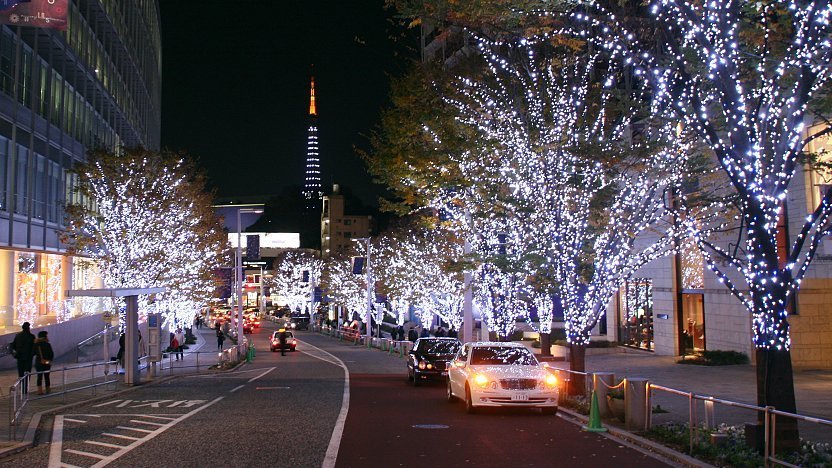
Quick answer: The 2026–2027 illumination season (winter light festivals) in Tokyo kicks off in late October and runs through February, with some spots staying lit until April. If you only have one evening, head to Marunouchi (near Tokyo Station, Nov 12, 2026 – Feb 14, 2027) and then take the train over to Roppongi Hills or Tokyo Midtown (until Dec 25, 2026). If you're looking for a grand, ticketed light park, Yomiuriland Jewellumination runs from Oct 29, 2026, to Apr 4, 2027, with an admission fee of 1,800 yen. Outside Tokyo, top destinations include Nabana no Sato (near Nagoya), Ashikaga Flower Park (Tochigi), and Kobe Luminarie (Jan 29 – Feb 7, 2027). Most street displays in Tokyo are free to view, while large theme parks usually charge admission. Some dates and times listed below are tentative, so be sure to check the official websites before heading out.
This guide brings together schedules by area, suggested itineraries for a single evening, costs, tips for beating the Christmas crowds, and nighttime smartphone photography tricks.
What are illuminations in Japan and when is the best time to see them?
In Japan, winter isn't just about snow. Starting around November, commercial districts, boulevards, parks, and amusement centers string up hundreds of thousands to millions of LED bulbs, crafting "tunnels of light," towering Christmas trees, and light shows synchronized to music. Known collectively in Japan as illumination, this is a massively popular activity for dates and family outings leading up to Christmas.
A few things to know before planning your trip:
- Peak crowds: From early December through December 25. Many displays turn off right after Christmas, making this the busiest window of the season.
- More relaxed periods: Mid-November, as well as January and February for spots that stay open into the new year (Marunouchi, Shinjuku, Yebisu Garden Place, and major parks).
- Best time for photos: About 20–30 minutes after the lights turn on, during the "blue hour" when the sky retains a gentle blue hue. In Tokyo in December, the sun sets around 4:30 PM, making 4:45–5:30 PM the prime photo window.
- Weather: Tokyo winters are generally dry with little rain, but evenings get chilly. Dress warmly and wear comfortable shoes, as you will be doing a lot of walking.
Tokyo Illumination Schedule 2026–2027
The table below summarizes popular spots based on information announced as of mid-October 2026. Items marked "tentative" are subject to change.
| Location | Dates | Illumination Hours | Notes |
|---|---|---|---|
| Yomiuriland Jewellumination | Oct 29, 2026 – Apr 4, 2027 (closed select days) | 16:00–20:30 (until 21:00 on select days) | 1,800 yen admission; amusement park on the outskirts of Tokyo |
| Roppongi Hills | Nov 5 – Dec 25, 2026 | 17:00–22:00 | Keyakizaka Avenue, overlooking Tokyo Tower |
| Shinjuku (Minamilumi) | Nov 11, 2026 – Feb 14, 2027 | 16:30–24:00 (from 17:00 in Nov) | South side of Shinjuku Station |
| Marunouchi | Nov 12, 2026 – Feb 14, 2027 | 16:00–23:00 (until 24:00 in Dec, tentative) | Naka-dori Avenue near Tokyo Station |
| Yebisu Garden Place | Nov 14, 2026 – Feb 28, 2027 | 16:00–23:00 (from 17:00 on Nov 14) | Massive Baccarat crystal chandelier, near Ebisu Station |
| Tokyo Dome City | Nov 19, 2026 – Feb 28, 2027 | 17:00–24:00 | Entertainment complex near Suidobashi and Korakuen Stations |
| Azabudai Hills | Nov 21 – Dec 25, 2026 | 11:00–21:00 | New complex, lights on from 11:00 |
| Tokyo Midtown (Roppongi) | Nov 26 – Dec 25, 2026 | 17:00–23:00 | Sprawling lawn area, close to Roppongi Hills |
| Omotesando | Dec 1 – Dec 25, 2026 (tentative) | Sunset to 22:00 | Zelkova-lined avenue between Harajuku and Omotesando |
| Meguro River (Minna no Illumination) | Dec 4, 2026 – Jan 31, 2027 | 17:00–22:00 | Along the river between Gotanda and Osaki |
| Shibuya “Ao no Dokutsu” (Blue Cavern) | Dec 11 – Dec 27, 2026 | 17:00–22:00 (tentative) | Blue lights along the path leading to Yoyogi Park |
| Decks Odaiba | Nearly year-round | 17:00–24:00 | Can be combined with Rainbow Bridge views |
Most city street displays (Marunouchi, Roppongi, Shinjuku, Omotesando, Meguro River, etc.) are public spaces and completely free to view. Yomiuriland is an amusement park and requires an admission ticket.
Beyond Tokyo: Spectacular Light Displays Worth the Trip
| Location | Area | Dates | Reference Fee |
|---|---|---|---|
| Ashikaga Flower Fantasy | Ashikaga Flower Park, Tochigi | Oct 17, 2026 – Feb 14, 2027 (closed Dec 31) | 1,500 yen |
| Nabana no Sato | Mie, near Nagoya (approx. 30 mins by train and bus from central Nagoya) | Oct 17, 2026 – May 31, 2027 (closed select days) | 2,500–3,200 yen depending on the date |
| Sagamiko Illumillion | Sagamiko, Kanagawa (8-min bus ride from JR Sagamiko Station) | Nov 14, 2026 – May 9, 2027 | 2,000–2,400 yen depending on the date |
| Midosuji Illumination | Midosuji Boulevard, Osaka (Umeda – Namba) | Nov 3 – Dec 31, 2026 | Free |
| Osaka Hikari Renaissance | Nakanoshima, Osaka | Dec 11 – Dec 25, 2026 | Free |
| Sendai Pageant of Starlight | Jozenji-dori Avenue, Sendai | Dec 4 – Dec 27, 2026 | Free |
| Kobe Luminarie | Higashi Yuenchi Park, Kyukoryuchi (Former Foreign Settlement), and Meriken Park, Kobe | Jan 29 – Feb 7, 2027 | Mostly free; Meriken Park area requires a paid ticket |
| Huis Ten Bosch | Nagasaki | Winter season: Nov 6, 2026 – Feb 25, 2027 | Included with park admission |
Highlights worth knowing:
- Nabana no Sato is consistently ranked among Japan's premier light festivals, famous for its sweeping light tunnels and themed shows that change every year. If you're based in the Chubu or Kansai region, it makes for a fantastic afternoon-to-evening trip.
- Ashikaga Flower Park is celebrated for its wisteria blooms in spring; in winter, the grounds are covered in lights that emulate hanging floral displays. JR Ashikaga Flower Park Station sits right by the entrance, making it very accessible by train from Tokyo.
- Kobe Luminarie began in 1995 to commemorate the victims of the Great Hanshin Earthquake. Starting in 2024, the festival moved to January rather than December.
Suggested Itineraries: One Evening in Tokyo
Tokyo’s illumination spots are scattered around town, but you can easily link 2–3 destinations along the same train lines without feeling rushed.
Itinerary A: Marunouchi → Roppongi (Best for First-Timers)
| Time | Location | Directions |
|---|---|---|
| 16:30 | Tokyo Station, red brick facade at dusk | Exit via the Marunouchi side |
| 17:00–18:00 | Naka-dori Avenue (Marunouchi) | Stroll approx. 1 km along the boulevard |
| 18:00–19:00 | Dinner in Marunouchi or Yurakucho | Plenty of dining options inside office complexes |
| 19:15–20:30 | Roppongi Hills (Keyakizaka) and Tokyo Midtown | Hibiya Subway Line to Roppongi Station |
This route covers two of the most iconic displays, both completely free. Keep in mind that Roppongi Hills and Tokyo Midtown can get extremely crowded on weekends leading up to December 25.
Itinerary B: Ebisu → Meguro River (Quieter & More Relaxed)
Start at Yebisu Garden Place to admire the grand crystal chandelier, enjoy dinner around the Ebisu area, then take the JR Yamanote Line to Gotanda and stroll along the Meguro River toward Osaki. This plan is ideal for anyone seeking a leisurely walk with fewer crowds than Roppongi.
Itinerary C: An Afternoon & Evening at Yomiuriland
Take the Keio or Odakyu Line to Yomiuriland Station and arrive at the park around 3:30 PM to enjoy a few rides while it's still daylight. Stick around into the evening to marvel at the lights and staged fountain shows. Perfect for families with kids or groups of friends looking for a full day out.
Budget & Money-Saving Tips
| Item | Estimated Cost |
|---|---|
| Street illumination displays | Free |
| Yomiuriland | 1,800 yen admission (rides charged separately) |
| Parks outside Tokyo | Approx. 1,500–3,200 yen depending on location and date |
| Tokyo trains | A few hundred yen per leg, paid via IC card |
| Food & drinks | Varies; office complex basements often offer great value dinner sets |
Money-saving tips:
- Prioritize free street displays, picking just one paid park for the entire season.
- Visit on weekdays. Several parks charge different rates for weekdays versus weekends.
- Buy tickets online in advance when available to skip the entrance queues.
- Dine before or after peak dinner rush (18:00–20:00) to avoid long restaurant waits.
What to Wear for an Evening Out
Viewing illuminations means being on your feet outdoors for 2–3 hours on a winter night. Nighttime temperatures in Tokyo during December and January drop significantly, and winds channeling between skyscrapers can make it feel even colder. Outlying parks like Sagamiko or Ashikaga will be noticeably colder than downtown Tokyo.
- Dress in layers: Thermal base layers, a warm sweater, and a windproof coat. You can easily peel layers off inside heated trains and restaurants.
- Touchscreen-friendly gloves: Essential for snapping photos without freezing your fingers.
- Cushioned walking shoes: Multi-stop itineraries easily add up to several kilometers of walking.
- Heat packs (カイロ – kairo): Available at any convenience store or pharmacy, these are lifesavers for warming hands or sticking to the back of your clothes.
- Hot canned drinks: From autumn onward, Japanese vending machines feature hot drinks (look for the red あったか~い labels), perfect for warming your hands between stops.
Tips for Beating the Christmas Crowds
- Go before 18:00 or after 21:00. The post-work rush hour is by far the busiest time in Marunouchi and Roppongi.
- Avoid December 23–25 if you can. These are the absolute peak days. Mid-November and early December feature the exact same lights with a fraction of the crowds.
- Target spots that extend into the new year. Marunouchi, Shinjuku, Yebisu, and Tokyo Dome City stay lit until February — January offers a much calmer viewing experience.
- Follow staff directions. At high-traffic locations, one-way pedestrian routes or "no-stopping" zones for photos may be enforced.
How to Photograph Illuminations on Your Phone
Nighttime lighting can easily result in blurry or blown-out shots. Here are a few simple tips:
- Keep your phone steady. Tuck your elbows against your ribs or brace against a railing. Your phone’s night mode needs a few seconds of stability.
- Lower the exposure. Tap on a bright cluster of lights on your screen and slide the brightness slider down slightly to prevent highlights from blowing out to pure white.
- Use foregrounds. Position your subject or an object in the foreground with the lights in the background; Portrait Mode will turn those background lights into gorgeous blurry bokeh.
- Shoot during the blue hour. Photos taken 20–30 minutes after the lights turn on generally feature a much richer sky than shots taken in pitch black.
- Avoid tripods where prohibited. Many crowded venues strictly ban tripods and extended selfie sticks.
Our blog already features an in-depth guide on night photography with smartphones — most of the tips from the fireworks guide apply directly to winter illuminations as well.
Staying Connected & Managing Battery Life on the Go
At packed venues like Roppongi Hills or Omotesando before Christmas, mobile networks can slow to a crawl as thousands of people post photos and stream video at once. Here is how to keep from getting separated:
- Set a specific meeting point beforehand (such as a designated station exit) rather than a vague spot like "by the tree."
- Share your live location with your group before entering dense crowds.
- If the network slows down, standard text messages are far more likely to get through than video or voice calls.
- Cold weather drains phone batteries quickly — keep your phone inside an inner pocket and carry a portable power bank.
Check out our guide to staying connected at crowded festivals for more preparation tips.
If you live, study, or work in Japan and need a dedicated data connection for maps, photos, and everyday communication, HD Telecom offers monthly data SIMs, eSIMs, and Pocket WiFi running on the SoftBank or Rakuten Mobile networks. Our plans come with minimum contract terms (typically 6 months, or from 2 months for the Rakuten 300GB plan). No network can guarantee lightning speeds in massive crowds, so be sure to download your maps and transit routes ahead of time. If you're only visiting Japan for a few days, please contact our support team to find the best option for your trip.
Frequently Asked Questions
When do Tokyo illuminations start? For the 2026–2027 season, Yomiuriland turns on its lights starting October 29, 2026; major urban districts like Roppongi Hills, Shinjuku, and Marunouchi kick off between early and mid-November. Many locations turn off after December 25, while others run through February.
Is there an admission fee to see illuminations? Most street displays in Tokyo are free public areas. Amusement parks and flower gardens like Yomiuriland, Nabana no Sato, Ashikaga Flower Park, and Sagamiko require paid admission tickets.
Which days are best to avoid crowds? Weekdays in November or January. Avoid Friday and Saturday evenings, as well as December 23–25.
Which spots are best when visiting with small children? Yomiuriland and Tokyo Dome City feature play attractions, restrooms, and rest areas, making them far more family-friendly than crowded street boulevards.
Where should I go if I only have one evening in Tokyo? Marunouchi followed by Roppongi Hills and Tokyo Midtown (before Dec 25). After Christmas, swap Roppongi for Marunouchi and Yebisu Garden Place.
Conclusion
Winter illuminations are the ultimate excuse to step out into crisp Japanese evenings. Pick an itinerary that fits your pace — Marunouchi and Roppongi for your first time, Ebisu and Meguro River for a quieter stroll, or Yomiuriland for a family adventure — steer clear of the days right around Christmas, and always double-check lighting hours on official sites before you go.
Related products
Find your plan with HD TELECOM
SIM, eSIM and Pocket WiFi — genuine quality, clear pricing, 24/7 support.
First-Time Skiing in Japan: Resorts Near Tokyo, Gear Rentals, Costs, and Safety Tips
Japanese Winter Food: Nabe, Oden, Roasted Sweet Potatoes, Snow Crab, and Where to Try Them
Sapporo Snow Festival 2027: Dates, 3 Venues, Access & Winter Survival Tips
Osaka Street Food: What to Eat in Dotonbori, Kuromon Market, and Shinsekai