

First-Time Skiing in Japan: Resorts Near Tokyo, Gear Rentals, Costs, and Safety Tips
October 24, 2026
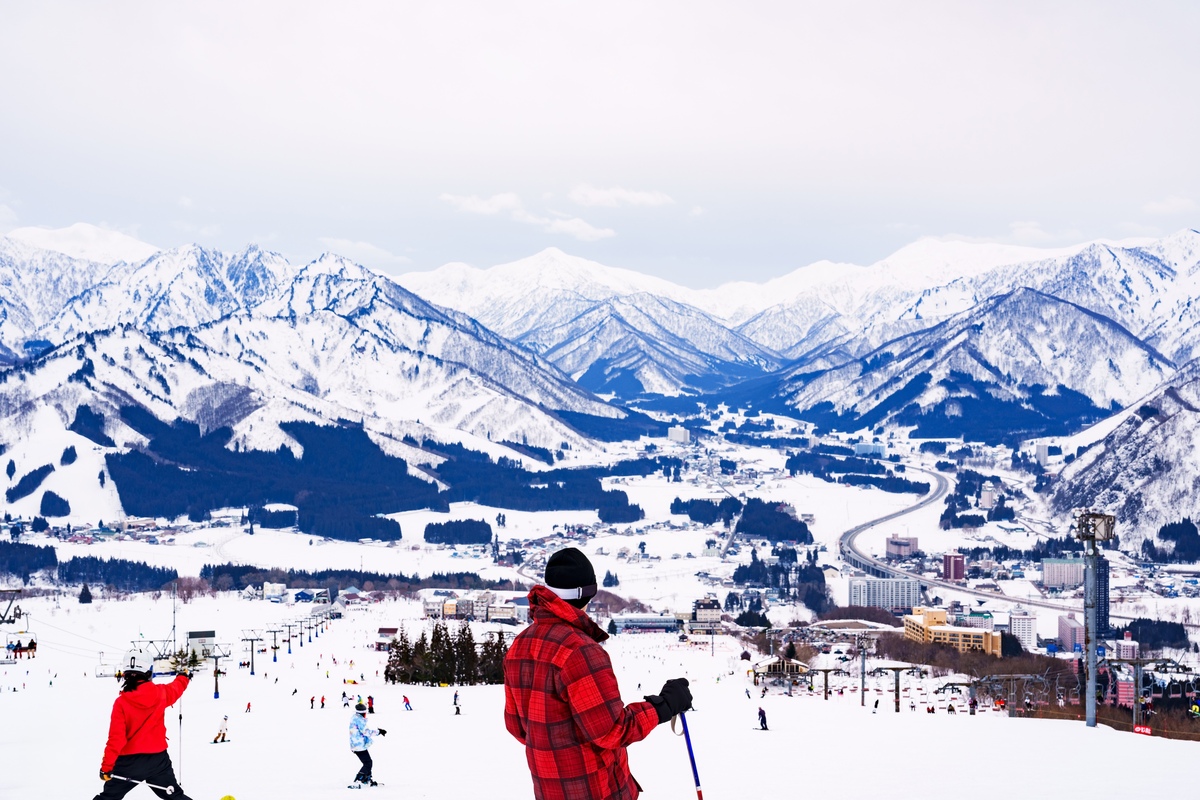
Quick answer: If you are based in Tokyo and want to try skiing for the first time, there are two very convenient day-trip options accessible by shinkansen: Karuizawa Prince Hotel Ski Resort (Nagano) — opening for the 2026–2027 season from October 31, 2026 to March 31, 2027, about a 10-minute walk from Karuizawa Station — and GALA Yuzawa (Niigata), directly connected to the shinkansen station of the same name, about 70–80 minutes from Tokyo on the Joetsu Shinkansen line. If you want to stay for a few days with deep natural snow, Hakuba (Nagano) is a famous area, though it takes longer to get there. Beginners should rent a full gear set (skis or snowboard, boots, helmet, and potentially outerwear) at the resort, take a session with an instructor, and strictly stick to groomed, managed trails. A one-day lift ticket at Karuizawa starts from 8,000 yen for adults; the total cost will depend on train tickets, equipment rentals, and lessons.
The article below compares beginner-friendly resorts, lists what you need to prepare, outlines reference costs, highlights safety precautions, and shares tips on staying connected and preserving your phone battery on the mountain.
When is the ski season in Japan?
Japan boasts excellent snow quality for winter sports, especially in Hokkaido and the mountainous areas along the Sea of Japan coast (Niigata, Nagano, Tohoku). The peak season typically runs from December through March. Some resorts using artificial snow open earlier — Karuizawa Prince Hotel Ski Resort opens from October 31, 2026 this season, making it the earliest in Nagano Prefecture.
| Period | Characteristics |
|---|---|
| Late October – Mid-December | Only select resorts are open, mostly running on artificial snow runs; fewer crowds, ideal for practicing basics |
| Late December – Early January | Most resorts open; busiest during the year-end and New Year holidays |
| January – February | Best snow quality and coldest weather; crowded on weekends |
| March | Warmer weather with heavier, wetter snow; prices are generally more affordable |
Opening dates for each resort depend heavily on snowfall, so be sure to check the official websites before booking your trip.
Choosing a beginner-friendly ski resort from Tokyo
| Resort | How to get there from Tokyo | Beginner-friendly highlights | Things to keep in mind |
|---|---|---|---|
| Karuizawa Prince Hotel Ski Resort (Nagano) | Take the Hokuriku Shinkansen to Karuizawa Station, followed by about a 10-minute walk | Early opening (October 31, 2026), dedicated Debut Park practice area, close to the station, large outlet shopping mall next door | Primarily artificial snow; gets crowded on weekends |
| GALA Yuzawa (Niigata) | Take the Joetsu Shinkansen to GALA Yuzawa Station (about 70–80 minutes) | Station connects directly to the ski center, gear rentals available, English and Chinese lessons, on-site hot spring facilities | Opening dates for the 2026–2027 season have not been announced at the time of writing; trains only stop at GALA Yuzawa Station during the operating season — check train schedules in advance |
| Hakuba (Nagano) | Take the Hokuriku Shinkansen to Nagano Station, then transfer to a mountain bus | Extensive variety of resorts, deep natural powder, rich services tailored to international visitors | Longer travel time; better suited for a 2–3 day stay |
Which resort should you choose?
- For a day trip to test the waters: Karuizawa or GALA Yuzawa. Both allow you to step off the train and head almost immediately onto the slopes.
- Traveling with young children: Karuizawa features the Snowman Park play area; GALA Yuzawa offers onsen baths and an indoor pool for breaks between sessions.
- For a genuine, multi-day ski holiday: Hakuba, or destinations in Hokkaido like Niseko and Furano (requires a flight to New Chitose).
Getting there and booking tickets
Train and lift ticket packages
JR East and various travel agencies often sell packages combining round-trip shinkansen tickets, lift passes, and sometimes gear rental discounts. These packages are typically convenient and can be cheaper than purchasing items individually, but they come with specific conditions regarding travel dates, eligible trains, and cancellation policies. Always read the terms carefully before booking.
Book train tickets early for weekends
On weekends and during year-end holidays, early morning shinkansen trains heading toward ski areas fill up fast. Reserve your seats as soon as sales open (usually one month prior to your travel date) if you are traveling during peak periods. If you are bringing your own skis or snowboard, pay attention to the train regulations regarding oversized baggage and store your gear neatly.
Luggage forwarding for ski equipment
If you have your own gear, you can send it ahead to your hotel or ski resort 1–2 days in advance using luggage delivery services (takkyubin), allowing you to travel comfortably on the train unencumbered. Be sure to check the receiving policy of your destination beforehand.
Renting gear: what do beginners need?
Beginners should not buy equipment right away. Almost all major resorts provide full rental packages.
| Item | Rent or bring yourself |
|---|---|
| Skis or snowboard | Rent |
| Ski/snowboard boots | Rent (make sure to wear thick, calf-length socks) |
| Poles (for skiing) | Rent |
| Helmet | Rent — at Karuizawa, helmets are loaned for free with full gear rental packages |
| Ski wear (waterproof jacket & pants) | Rent or bring yourself |
| Waterproof gloves | Recommended to bring your own |
| Ski goggles | Recommended to bring your own or buy on-site |
| Beanie, neck gaiter, thermal base layers | Bring yourself |
Skiing or snowboarding for your first time? Skiing is generally easier for standing up and balancing during your first session because your legs move independently and you have poles for support. Snowboarding is more challenging during the first few hours, though many find they progress quickly afterward. If you are unsure, start with skiing on your first trip and try snowboarding on your next visit.
Taking lessons: one session with an instructor is worth more than you think
Many beginners try to teach themselves through online videos and end up spending most of their time falling. A 2–3 hour session with an instructor will teach you how to:
- Properly put on, strap in, and take off your boots and board/skis.
- Stand back up after a fall without wasting excessive energy.
- Stop and turn (the "pizza/snowplow" technique for skiing, "falling leaf" for snowboarding).
- Safely get on and off the ski lifts.
Some resorts offer lessons in English (GALA Yuzawa provides lessons in both English and Chinese). Lessons often require advance reservations, especially on weekends.
Reference costs for a day of skiing
| Item | Reference Cost |
|---|---|
| Round-trip shinkansen ticket from Tokyo | Varies by resort and seat category; check the JR East website |
| 1-day lift ticket | Karuizawa: from 8,000 yen for adults; afternoon pass from 7,000 yen; free for children up to elementary school age (2026–2027 season) |
| Full gear rental | Varies by resort and equipment package |
| Lessons | Varies by resort, duration, and group size |
| On-mountain lunch | Usually higher than standard city dining |
| Insurance | Accident insurance or travel insurance covering winter sports is highly recommended |
Money-saving tips:
- Go on weekdays. Karuizawa offers a free weekday lift pass campaign for 20-year-olds starting December 7, 2026 (excludes weekends, public holidays, and December 21–January 4); advance registration via the hotel group's app is required.
- Compare shinkansen + lift pass package deals against buying everything separately.
- Bring your own snacks and water; eat lunch early (before 11:30) or late (after 13:30) to avoid long cafeteria lines.
- Borrow gloves, goggles, and winter wear from friends if possible.
Mountain safety: critical rules you must not overlook
- Only ride on groomed, managed trails. Off-piste and backcountry areas carry severe risks of avalanches, hidden crevasses, and tree wells. Many resorts enforce strict rules against ducking rope boundaries.
- Read the slope difficulty ratings. Start on green beginner courses. Do not let friends talk you into attempting steep or intermediate slopes on your first day.
- Always wear a helmet. Collisions and hard head falls are common winter sports injuries.
- Never stop in the middle of a trail or right beneath a crest where skiers coming from above cannot see you.
- Stay hydrated and take regular breaks. Fatigue drastically increases the risk of injury, most frequently during the late afternoon.
- Keep an eye on the weather. Strong winds can cause lifts to suspend operations, and blizzards will severely reduce visibility.
In case of an emergency in Japan, dial 119 for ambulance and fire services, and 110 for police. Always save the ski resort patrol’s emergency phone number (usually printed on your lift pass or trail map).
Staying connected and managing phone battery on the slopes
On the mountain, your smartphone serves as your trail map, communication tool with your group, and lifeline to call for emergency rescue if needed. Keep these factors in mind:
- Cellular coverage is not guaranteed everywhere. Base areas and rest lodges generally have good reception, but certain trail sections, deep valleys, or remote slopes may have weak or no signal. Always agree on a designated meeting spot and time with your group beforehand.
- Cold temperatures drain battery life rapidly. Apple recommends using iPhones in ambient temperatures between 0°C and 35°C (32°F to 95°F). Keep your phone inside an interior pocket close to body heat, pack a portable power bank, and store both in a warm pouch.
- Take photos only when standing safely to the side, never attempt to record videos while riding down the slope.
- Download offline trail maps beforehand (many resorts offer downloadable PDFs or dedicated apps) as well as return train schedules.
- Traveling in a group: If several people share a single Pocket WiFi unit, the person holding the device must stay with the group; if anyone separates, the others will lose connection.
If you are living in Japan, HD TELECOM offers monthly data SIMs, eSIMs, and Pocket WiFi operating on the SoftBank or Rakuten Mobile networks. Plans come with minimum contract terms — typically 6 months, or starting from 2 months for the Rakuten 300GB plan. Because no single network covers every corner of mountainous terrain, always keep a secondary communication plan in place. For more details, check out our comparison between data SIMs and Pocket WiFi to choose the best option for your needs.
Combining skiing with a hot spring soak
After a full day of falling and picking yourself back up, soaking in a hot spring (onsen) is the ultimate way to recover. Many ski resorts across Niigata and Nagano are located right next to historic onsen towns; GALA Yuzawa features a hot spring bath directly inside the ski center station building, while the nearby town of Echigo-Yuzawa is lined with public bathhouses and traditional ryokan.
A few reminders for enjoying onsen after skiing:
- Hydrate before soaking. Your body has lost plenty of fluids after hours of physical activity in the cold.
- Do not soak for too long if you have recently consumed alcohol or feel utterly exhausted.
- Wash and rinse your body thoroughly before entering the communal bath, never put towels into the bathwater, and tie long hair up securely.
- Tattoos: Some facilities still restrict guests with visible tattoos; check policies in advance or opt for a private onsen bath (kashikiri).
If you plan to stay overnight, book your ryokan or station-area hotel well in advance, especially for weekends in January and February. Staying overnight also rewards you with first tracks the following morning, letting you enjoy freshly groomed corduroy snow before the day-trip crowds arrive.
Pre-trip checklist
- Check that the ski resort is open and verify snow conditions on their official website.
- Reserve your train tickets (or train + lift packages) and book lessons if needed.
- Dress in functional layers: moisture-wicking base layer, fleece/sweater mid-layer, and waterproof ski outerwear.
- Pack waterproof gloves, a beanie, a neck gaiter, thick ski socks, and goggles.
- Bring sunscreen and lip balm — snow reflection intensifies UV exposure significantly.
- Pack a portable power bank and a small water-resistant pouch for your phone.
- Carry your Japanese Health Insurance Card (residents) or travel insurance documentation.
- Save the ski patrol number, 119, and 110 in your phone contacts.
Frequently asked questions
Which ski resort near Tokyo is best for beginners? Karuizawa Prince Hotel Ski Resort and GALA Yuzawa are both easily accessible as day trips via shinkansen and sit right by their stations, making them ideal for first-timers.
When does the 2026–2027 ski season begin? Some resorts utilizing artificial snow open as early as late October (Karuizawa: October 31, 2026). The vast majority of natural snow resorts open from mid to late December, depending on snowfall.
Do I need to buy ski gear? Not for your first time. You can rent a complete setup directly at the resort; you only need to bring your own personal accessories like gloves, goggles, a beanie, and thermal base layers.
Can I take ski lessons if I do not speak Japanese? Yes. Several resorts offer group or private lessons conducted in English or Chinese; just make sure to book early through their official websites.
Will my phone have cellular reception on the mountain? Coverage is generally reliable around base areas and main service centers, but can be weak or drop out completely on certain runs. Agree on a meeting spot with your group and keep your battery warm.
Conclusion
Hitting the slopes for the first time in Japan is far easier than most people imagine: pick a station-adjacent resort like Karuizawa or GALA Yuzawa, rent a full gear package, take a beginner lesson with an instructor, and stay within marked, groomed trails. Dress warmly in layers, protect your phone battery from the cold, and set clear rendezvous points with your friends — the only thing left to do is enjoy the snow.
Related products
Find your plan with HD TELECOM
SIM, eSIM and Pocket WiFi — genuine quality, clear pricing, 24/7 support.
Tokyo to Osaka Night Bus: Fares, Seat Types, Operators and First-Timer Tips
Seishun 18 Kippu Winter 2026–27: Prices, Rules and Sample Itineraries
Japanese Winter Food: Nabe, Oden, Roasted Sweet Potatoes, Snow Crab, and Where to Try Them
Winter Illumination 2026–2027: Schedule of the Best Light Displays in Tokyo and Across Japan