

Osaka Street Food: What to Eat in Dotonbori, Kuromon Market, and Shinsekai
October 23, 2026
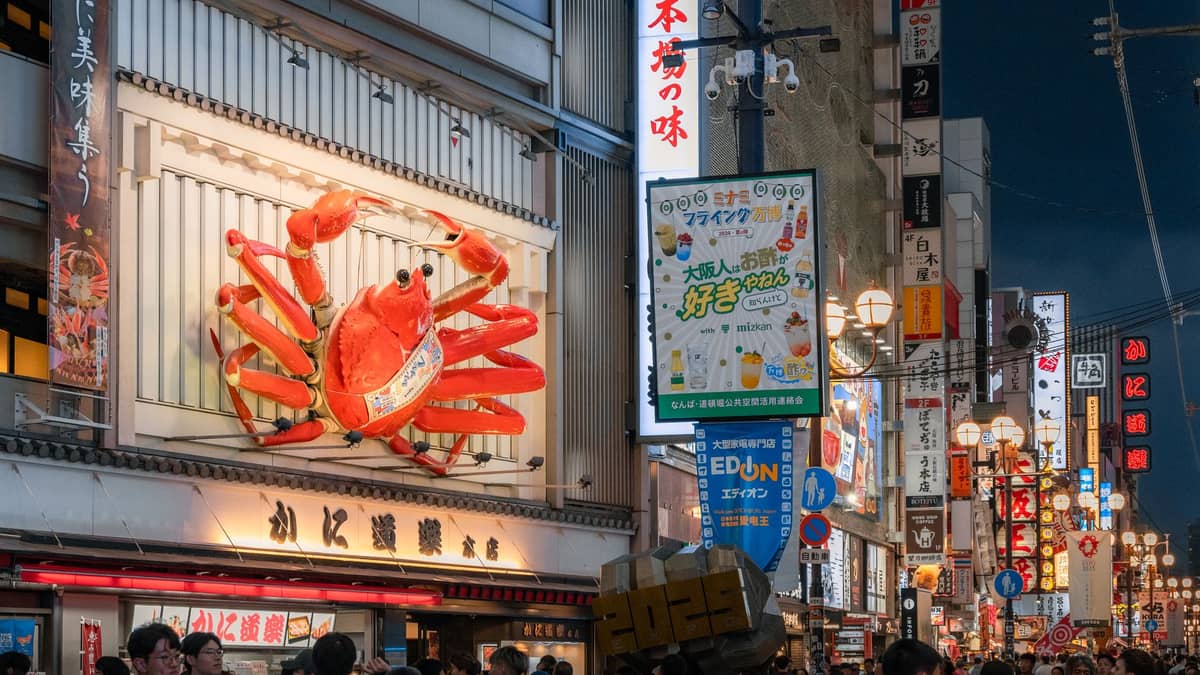
Quick Answer: If you only have one day in Osaka, follow this food itinerary: start your morning at Kuromon Market (near Nipponbashi Station) to try grilled seafood and fresh fruit; late in the afternoon or evening, take a 10–15 minute walk over to Dotonbori for takoyaki, okonomiyaki, and a stroll along the canal; then slip into Hozenji Yokocho, a stone-paved alleyway, to relax at a small izakaya. If you have an extra half day, dedicate it to the Shinsekai district to try kushikatsu (deep-fried skewers) right beneath Tsutenkaku Tower. The three "must-try" dishes are takoyaki, okonomiyaki, and kushikatsu. The two most important rules to remember are: never double-dip a bitten skewer into the shared sauce tub at kushikatsu joints, and refrain from eating while walking at Kuromon Market.
This guide breaks down each iconic dish, where to eat them, how to structure your route to avoid backtracking, estimated costs, and essential tips for dietary restrictions or families traveling with kids.
Why Osaka is Known as "Japan's Kitchen"
Since the Edo period, Osaka served as the nation's commercial center for rice and commodities. Ingredients from all over Japan flowed into the city, cultivating a vibrant, fast, and flavor-packed casual dining culture. Osakans often refer to the spirit of "kuidaore" (食い倒れ)—loosely translated as "eat until you drop" or spending extravagantly on food. This concept is intimately tied to Dotonbori, famous for its dense concentration of eateries and giant neon signs.
Compared to Tokyo, street food in Osaka is generally slightly more affordable, easier to share, and frequently served at standing stalls or counter seating. This makes Osaka an ideal city for "snacking your way through small bites" rather than spending the entire evening sitting at a single restaurant.
Preparation Before Heading Out to Eat
Timing. Dotonbori gets busiest on Friday and Saturday nights, as well as during Japanese holidays (Golden Week in early May, Obon in mid-August, and the New Year season). Kuromon Market fills up with tourists from late morning through early afternoon. For a more relaxed experience, visit Kuromon early on a weekday and head to Dotonbori before the evening dinner rush.
Cash and Cards. Many small food stalls and long-established spots still prefer cash, even as credit cards and IC cards become increasingly common. Always carry an adequate amount of cash for standing food stalls.
Getting Around. The main food hubs are concentrated close together in the southern downtown area (the Minami district):
| Area | Nearest Station | Notes |
|---|---|---|
| Kuromon Market | Nipponbashi (Sennichimae, Sakaisuji Lines) | About a 10-minute walk from the Namba Station area |
| Dotonbori | Namba (Midosuji and other lines), Nipponbashi | The heart of street food, famous large signs along the canal |
| Hozenji Yokocho | Short walk from Dotonbori | A quieter, stone-paved alleyway |
| Shinsekai | Ebisucho (Sakaisuji Line), Dobutsuen-mae | Home of kushikatsu, located under Tsutenkaku Tower |
Walking times are estimates; use a smartphone map app to choose the closest station exit, as major hubs like Namba Station have dozens of exits.
Portion Sizes. A great strategy is sharing with your travel companions: order one portion of each item and split it, allowing you to sample a much wider variety of dishes in a single outing.
Must-Try Street Foods in Osaka
Takoyaki — Octopus Balls
Takoyaki are savory batter balls filled with diced octopus, cooked in a specialized molded pan, and brushed with savory takoyaki sauce, mayonnaise, dried green seaweed (aonori), and dancing bonito flakes (katsuobushi). The dish is widely believed to have originated in Osaka around the 1930s.
How to avoid burning your mouth: fresh, hot takoyaki have a piping-hot molten center. Use a toothpick to bite a small hole first to let the steam escape, or wait a minute before eating. This isn't just casual advice—many first-timers burn their tongues by eating a whole ball in one bite.
Every stall has its own distinct style: crispy exterior, soft batter, extra green onions, or served dipped in dashi broth instead of sauce. The Dotonbori area features many takoyaki stalls lined up back-to-back, often with queues. Since they prepare the food right in front of customers, you can watch the process before making your choice.
Okonomiyaki — Japanese Savory Pancakes
Osaka-style okonomiyaki is made by mixing flour batter, shredded cabbage, eggs, and your choice of fillings (pork slice, seafood, cheese, etc.) and griddling it on a hot iron plate. This differs from Hiroshima-style okonomiyaki, where ingredients are layered on top of each other and usually include noodles.
At many restaurants, each table is equipped with a hot iron teppan grill. Some places will cook it for you, while others let you grill it yourself. If you cook it yourself, avoid pressing down hard with your spatula—doing so will make the pancake lose its fluffy texture. When eating, locals use a small metal spatula (hera) to slice and eat directly off the teppan so it stays sizzling hot throughout the meal.
Consider ordering yakisoba (fried noodles) or modanyaki (okonomiyaki layered with noodles) if you are in a group and looking for a heartier meal.
Kushikatsu — Deep-Fried Skewers
Kushikatsu consists of skewered meat, seafood, and vegetables, coated in fine breadcrumbs and deep-fried to a golden crisp. The Shinsekai district is the most famous location to enjoy this dish.
The golden cardinal rule: “nidozuke kinshi” (二度づけ禁止)—no double-dipping. The dipping sauce tub on the table or counter is shared among multiple guests, so you may only dip your skewer once before taking a bite. If you need extra sauce, use a piece of fresh cabbage (usually served for free) to scoop sauce from the tub and pour it onto your skewer. While many modern shops now use individual sauce bottles or squeeze dispensers, following this rule remains essential table etiquette.
Recommended skewers for beginners: beef, shrimp, quail eggs, green pepper, onion, mochi rice cake, and a sweet dessert skewer if available. Since fried foods can be heavy, balance your meal with fresh cabbage and green tea.
Other Notable Treats
- Ikayaki: Pressed and grilled squid cooked inside a thin batter crepe, commonly found at department store basements and shopping arcades.
- Kitsune Udon: Chewy udon noodles served in a hot broth topped with a piece of sweet seasoned fried tofu. This dish is said to have originated in Osaka. Kansai-style dashi broth is noticeably lighter and clearer than Kanto-style broth.
- Pork Buns (Butaman): Osaka is famous for its juicy pork buns, with popular shops drawing long queues at major stations; they are also widely purchased as souvenirs.
- Grilled Seafood at the Market: Fresh scallops, oysters, and giant crab legs grilled right in front of you at Kuromon Market.
- Fresh Cut Fruit and Juices: Seasonal strawberries, Japanese grapes, and melon slices—though pricier, the quality is exceptional.
Suggested Food Itineraries
1-Day Itinerary: Kuromon → Dotonbori → Hozenji Yokocho
This itinerary is mostly walkable, as destinations are close together—ideal for anyone staying around Namba or Shinsaibashi.
| Time | Destination | Food Suggestions |
|---|---|---|
| 9:30–11:30 | Kuromon Market | Grilled seafood, fresh fruit, a small sushi set |
| 11:30–14:00 | Rest at hotel or stroll Shinsaibashi | Take a break from eating to save room for later |
| 15:00–17:00 | Dotonbori (Daytime) | Takoyaki, ikayaki; take photos of the iconic signs before the heavy crowds arrive |
| 17:00–19:00 | Dotonbori/Namba | Okonomiyaki at a restaurant with tabletop teppan grills |
| 19:00–21:00 | Hozenji Yokocho | Atmospheric izakaya, light bites, or a warm bowl of udon |
Tip: Dotonbori looks most vibrant after dark when the neon signs reflect off the canal. However, if you want photos without battling dense crowds, visit in the late afternoon and return at night strictly to eat.
Half-Day Itinerary: Shinsekai
Shinsekai ("New World") offers a charming retro vibe filled with colorful vintage storefronts and kushikatsu joints surrounding Tsutenkaku Tower. Suggested route:
- Arrive at Ebisucho Station in the late morning.
- Stroll around Tsutenkaku Tower and the surrounding retro alleys.
- Have a kushikatsu lunch—weekday lunchtimes are much easier to find open seating than weekend evenings.
- If you have extra energy, walk over to the neighboring Tennoji district.
Pairing Shinsekai on a different half-day from Dotonbori helps prevent fried food overload in a single day.
Visiting Osaka from Tokyo or Kyoto
Osaka is approximately 15 minutes away from Kyoto by Shinkansen, or about 30–60 minutes via local trains depending on the line. Many Kyoto visitors head over to Osaka in the afternoon for dinner before returning. If traveling from Tokyo, consult a guide on taking the Tokyo – Osaka Shinkansen to manage train schedules and luggage storage effectively.
Market Etiquette at Kuromon and Food Districts
Kuromon Market is a historic food market where local residents and chefs still buy daily fresh ingredients. To accommodate high tourist volumes, basic market etiquette rules have been established:
- Do not eat while walking. Eat at the designated area provided by the shop where you bought your food; many stalls have small standing bars or seating.
- Do not block narrow walkways. Market aisles are tight; step to the side when stopping to take photos.
- Dispose of trash properly. Return skewers and food trays to the vendor you purchased from, or use the shop's trash bins.
- Be mindful of messy sauces. Take extra care not to spill sauces onto other pedestrians in crowded spaces.
Operating hours vary widely by vendor, usually opening from morning through late afternoon; some vendors close on Sundays and national holidays. Check ahead if visiting on weekends.
In Dotonbori and Shinsekai, popular restaurants frequently have queues out front. Line up neatly without cutting, and staff will call customers in order or by ticket numbers. If a restaurant uses a ticket vending machine (食券機), purchase your meal tickets first before handing them to the staff.
Cost Estimates and Savings Tips
Street food prices fluctuate based on the vendor and recent ingredient price adjustments. Rather than relying on fixed figures, plan your budget using these general guidelines:
| Expense Type | Estimation Guide |
|---|---|
| Snacks (takoyaki, ikayaki) | Generally the most budget-friendly items; one serving is great for 1–2 people to share |
| Okonomiyaki at a restaurant | Treat as a full main meal, plus drinks |
| Kushikatsu | Priced per skewer; seafood options are usually higher priced than vegetable skewers |
| Seafood at Kuromon Market | The largest potential expense; check posted prices carefully before ordering, especially for crab and sea urchin |
Budget-Saving Tips:
- Opt for lunch sets at okonomiyaki or udon shops. Many places offer weekday lunch specials that are significantly cheaper than dinner menu prices.
- Share premium dishes. At Kuromon Market, select one high-end seafood item to share rather than buying individual portions for everyone.
- Buy drinks at supermarkets or convenience stores (konbini). Drinks sold directly at tourist food stalls carry a higher markup.
- Verify prices upfront. Market stalls usually display prices clearly; for items sold by weight or piece, double-check the total cost before having them grilled.
Tips for Dietary Restrictions and Families with Kids
Pork-Free / Halal Considerations. Okonomiyaki traditionally contains pork, and many sauces or dashi broths rely on animal-derived ingredients. Choose seafood fillings and ask staff about sauce components. A growing number of Osaka restaurants offer halal or Muslim-friendly menus; it is recommended to search ahead and verify directly with the shop.
Vegetarian Dining. Finding strictly vegetarian street food in Osaka can be challenging, as traditional dashi broth is made with bonito fish flakes. Vegetable kushikatsu is the closest option, though shared fryers are commonly used.
Seafood or Wheat Allergies. Takoyaki, okonomiyaki, and kushikatsu all rely heavily on wheat flour batter, and seafood like shrimp and squid are common ingredients. Carry a dietary allergy card written in Japanese to present to restaurant staff before placing an order.
Traveling with Young Children. Takoyaki is extremely hot inside—always cut them in half and let them cool down completely before serving to children. Dotonbori gets extremely packed in the evening; if navigating with a stroller, visit early in the day or opt for Shinsekai on a weekday instead.
Staying Connected While Dining Out in Osaka
Navigating multiple food stops across Osaka is vastly easier when you have a stable data connection:
- Maps and Station Exits. Large hubs like Namba Station feature dozens of exits; using real-time map apps helps you locate the exact exit closest to your target eatery.
- Menu Translation. Many local eateries rely on Japanese-only menus or handwritten wooden boards; camera translation apps make identifying dish names and prices effortless.
- Online Reservations and Queue Systems. Select popular restaurants allow online queueing or web-based ticketing systems.
- Staying in Touch. If your group splits up in crowded areas, messaging apps and live location sharing are far faster than searching through busy streets.
For residents, students, or long-term workers living in Japan, HD Telecom offers flexible monthly data SIMs and eSIMs (operating on the SoftBank or Rakuten Mobile networks) with varied data packages. These plans feature short minimum commitments—typically 6 months, or just 2 months for the Rakuten 300GB plan—making them ideal for long-term connectivity. Be sure to check if your phone supports eSIM and is network-unlocked before signing up.
Frequently Asked Questions
What should I eat in Osaka if I only have one evening? Head to Dotonbori before dinner: grab a quick portion of takoyaki, sit down for okonomiyaki at a teppan restaurant, and wrap up your night stroll at Hozenji Yokocho. While kushikatsu can be found in Dotonbori, the most authentic atmosphere remains in Shinsekai.
What are the opening hours for Kuromon Market? Opening times vary by individual vendor, but generally run from morning through late afternoon. Many shops open daily, though several close on Sundays and national holidays. Arriving on a weekday morning offers the best selection.
Is eating while walking allowed in Dotonbori? At Kuromon Market, visitors are explicitly asked not to eat while walking. In Dotonbori, stand near the vendor where you purchased your item or step into a non-congested area—this is both polite and safe in crowded streets.
What exactly is the "no double-dipping" rule? At traditional kushikatsu restaurants using shared dipping sauce tubs, you may only submerge your skewer once prior to taking a bite. To add more sauce afterward, use a fresh cabbage leaf to scoop sauce and pour it over your food.
Can I do a day trip from Kyoto to Osaka for dinner and return the same night? Yes. The travel distance between the two cities is short with frequent train services running late into the evening. Simply double-check the last train departure time before settling in at a restaurant.
Conclusion
Experiencing Osaka’s incredible food scene works best when approached by neighborhood: explore Kuromon Market in the morning, dive into Dotonbori during the late afternoon and evening, unwind at Hozenji Yokocho, and save Shinsekai for its own dedicated outing. Keep the three iconic staples—takoyaki, okonomiyaki, and kushikatsu—top of mind, adhere to basic street food etiquette, and most importantly: leave plenty of room for your next bite!
Related products
Find your plan with HD TELECOM
SIM, eSIM and Pocket WiFi — genuine quality, clear pricing, 24/7 support.
Winter Illumination 2026–2027: Schedule of the Best Light Displays in Tokyo and Across Japan
Sapporo Snow Festival 2027: Dates, 3 Venues, Access & Winter Survival Tips
Japanese Konbini Food: What to Buy, How to Read Labels, and Tips for 3 Full Meals a Day
Christmas in Japan 2026: Christmas Markets, Where to Go and What to Eat