
Japanese Konbini Food: What to Buy, How to Read Labels, and Tips for 3 Full Meals a Day
October 23, 2026
Quick Answer: A konbini (コンビニ) is a convenience store open almost around the clock, found in nearly every neighborhood across Japan. The "Big Three" chains are 7-Eleven, FamilyMart, and Lawson. If you only have a few minutes, try these essentials in order: an onigiri (rice ball), a hot fried snack from the counter (fried chicken, karaage), an egg sandwich, and a chilled dessert. Before heading to the checkout, keep three key things in mind: takeaway and dine-in are taxed at different rates (8% vs. 10%), plastic bags come with a fee, and there are two distinct types of expiration labels with different meanings. This guide walks you through every detail, complete with full-day meal recommendations and practical advice for vegetarians, those who don't eat pork, or anyone with food allergies.
While a konbini won't replace a sit-down restaurant meal, for late-night arrivals fresh off a flight, early-morning commuters, or international students heading home after a late shift, it is often the fastest, cleanest, and most predictable dining option available.
What Is a Konbini and Why Foreigners Should Know How to Use It
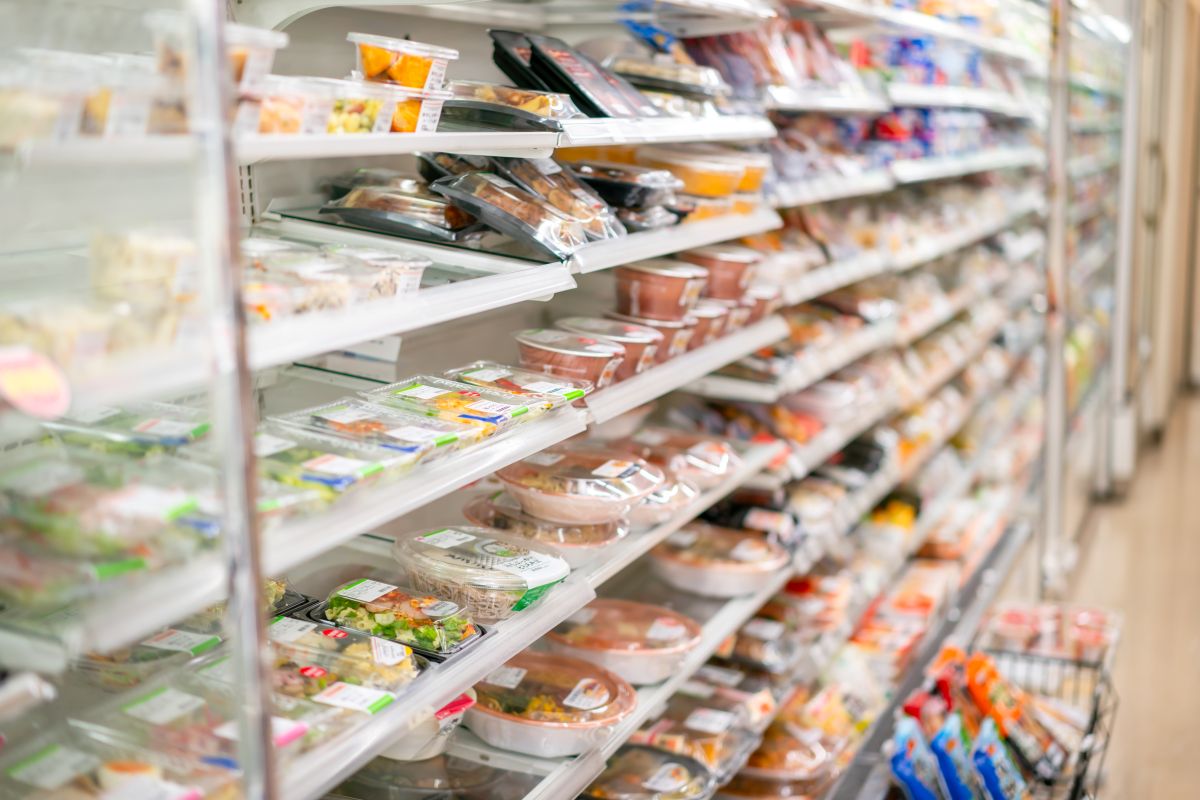
In Japan, convenience stores sell far more than just instant noodles and soft drinks. A standard location typically features a daily freshly made meals section (bento boxes, chilled noodles, salads), a hot food counter by the register, beverage coolers, a pastry rack, toiletries, and an array of everyday services including ATMs, multi-function copy/print machines, bill payments, and package pickup and shipping.
For tourists and newcomers to Japan, konbini are invaluable for three main reasons:
- Open late or 24/7: Most urban locations operate around the clock, though some stores inside train stations, office complexes, or rural areas have custom hours.
- Transparent pricing: Price tags usually display both the pre-tax price and the tax-inclusive total, so you always know what you will pay before reaching the register.
- Seasonal menu rotations: Each chain rolls out new items constantly. An item you enjoy this week might be phased out next month, so never hesitate to try something new.
Beyond the Big Three, you may also encounter Ministop in various prefectures, or Seicomart—a beloved regional chain across Hokkaido renowned for its in-store hot kitchen dishes. The shopping experience is virtually identical across all chains, meaning the advice below applies wherever your travels take you.
Things to Know Before Approaching the Counter
8% vs. 10% Tax: Takeaway vs. Dine-in
Japan applies a reduced 8% consumption tax rate on non-alcoholic food and drinks purchased for takeaway, whereas dining in is taxed at the standard 10% rate. Many konbini feature an “eat-in” (イートイン) space with a few tables and chairs. If you plan to sit down and eat in-store, staff may ask and ring up your purchase at the 10% rate. While the difference for a quick bite is only a matter of a few dozen yen, knowing this rule helps prevent any confusion when your receipt shows a slightly different total for the same meal.
Plastic Bags Incur a Fee
Since July 2020, retail shops across Japan are required to charge for plastic carrier bags. Cashiers will routinely ask whether you need one. If you are only picking up a couple of items, keeping a packable reusable bag in your daypack is both eco-friendly and practical when walking around town.
Useful Japanese Phrases at the Register
You don't need to speak Japanese to check out, but recognizing a few standard questions will make the transaction smoother:
| What You Hear | Romaji | Meaning | Easy Way to Respond |
|---|---|---|---|
| 温めますか? | Atatamemasu ka? | Would you like this heated up? | “Hai” (Yes) / “Daijoubu desu” (No thanks) |
| 袋はご利用ですか? | Fukuro wa goriyou desu ka? | Do you need a bag? | “Hai” / “Iranai desu” |
| お箸おつけしますか? | Ohashi otsuke shimasu ka? | Would you like chopsticks? | “Hai, onegaishimasu” |
| 店内でお召し上がりですか? | Tennai de omeshiagari desu ka? | Are you eating in? | “Mochikaeri desu” (To go) |
| ポイントカードはお持ちですか? | Pointo kaado wa omochi desu ka? | Do you have a point card? | “Nai desu” (I don't) |
Many stores now utilize self-checkout registers or touchscreens for selecting payment methods that include an English interface, so you can easily complete the process simply by tapping the screen even if you didn't catch what was said.
Payment Methods
Almost all konbini accept cash, major credit cards, transit IC cards (Suica, PASMO, ICOCA, etc.), and select QR code mobile payment apps. Transit IC cards are the quickest option for small purchases: simply tap your physical card or smartphone to the reader—no signature required. Keep in mind that accepted payment options can vary slightly by chain and location, so check the payment logos displayed on the counter before lining up.
What to Try for Every Meal of the Day
Rather than a generic "top 10" list, here are our top picks organized by meal so you can put them straight to use while out and about.
Breakfast: Quick, Filling, and Portable
Onigiri (Rice Balls). The quintessential konbini staple. Popular fillings include grilled salmon (鮭 – sake/shake), tuna mayo (ツナマヨ – tsuna mayo), spicy cod roe (明太子 – mentaiko), pickled plum (梅 – ume), and simmered kelp (昆布 – konbu). For first-timers, salmon and tuna mayo are the safest bets. Ume is distinctly tart and salty—an acquired taste best suited for those familiar with traditional Japanese flavors.
Konbini onigiri are uniquely wrapped to keep the nori seaweed separate from the rice so it stays crispy. How to open one cleanly:
- Pull down tab ① in the center of the plastic wrapper from top to bottom, bringing it all the way around underneath.
- Gently pull the left corner (tab ②) straight off.
- Pull the right corner (tab ③) straight off—the nori will wrap smoothly around the rice.
If you pull the tabs out of order, the seaweed may tear and get stuck in the plastic. Don't worry—it still tastes just as good!
Egg Salad Sandwich (たまごサンド). Made with fluffy, crustless white bread and a rich, creamy egg salad seasoned with Japanese mayonnaise. Simple as it sounds, it has achieved legendary status among international travelers as a must-try konbini icon.
Drinkable Yogurt and Machine-Brewed Coffee. Most konbini feature self-service espresso machines: pay for an empty cup at the counter, place it inside the machine, and press the corresponding button. The exact process varies slightly by chain, but clear illustrated diagrams are posted on the front of the machine.
Lunch: Bento Boxes, Noodles, and Salads
Bento Boxes (弁当). Options range from Japanese curry and tonkatsu (pork cutlet) to teriyaki chicken and assorted multi-dish boxes (幕の内 – makunouchi). The cashier will ask if you want it heated; if you are heading straight back to an accommodation with a microwave, you can decline and heat it later yourself.
Cold Noodles (冷やし中華, ざるそば). During warmer months, chilled soba or cold ramen noodle bowls are refreshing choices. Dipping sauces and broths come in separate pouches inside—follow the illustrated instructions on the lid to see how to mix them properly.
Hot Noodles and Soups. In colder weather, look for microwavable udon and ramen bowls. Some containers require removing the clear plastic lid or peeling back a vent corner before heating; check the diagrams printed on the plastic wrap.
Salads and Side Dishes. If your travel diet has leaned heavily into fried foods, grab a green salad, steamed chicken salad, or a pouch of edamame to round out your meal with fresh greens and protein.
Afternoon Snack: Hot Display Cases and Sweets
Right next to the cash registers, you'll spot a glass warming case filled with fresh fried bites. Each major chain features its own signature fried chicken—such as Famichiki at FamilyMart or Karaage-kun bite-sized nuggets at Lawson. Simply point to the item in the case when ordering at the register.
From autumn through spring, many stores also feature:
- Nikuman (肉まん): Steaming hot steamed buns stuffed with seasoned pork.
- Oden (おでん): Assorted fish cakes, daikon radish, and boiled eggs simmered in a savory dashi broth. Pick individual pieces and the staff will ladle them into a takeout container with broth. (Note: Not all stores carry oden, and self-serve setups vary regionally).
The refrigerated dessert case is an undeniable highlight: cream roll cakes, silky custards, mochi sweets, cream puffs, and seasonal treats starring chestnut (栗 – kuri) or sweet potato (芋 – imo) in the autumn. Konbini desserts are typically portioned moderately and are noticeably less cloying than typical Western pastries.
Late-Night Dinner: When Restaurants Are Closed
Past 10:00 PM, many local restaurants wind down, especially outside of major entertainment districts. This is where konbini shine. A satisfying late-night meal might include: a hot bento or noodle bowl, a side salad, an instant miso soup cup, and an unsweetened iced green tea. If your hotel has a shared guest microwave, you can heat food there; otherwise, ask the cashier to warm it up before you step out.
How to Read Labels: Expiry Dates, Allergens, and Meat Ingredients
This critical step is frequently overlooked, yet it is essential for anyone with dietary restrictions or allergies.
Two Types of Expiration Dates
| Label | Romaji | Meaning | Typically Found On |
|---|---|---|---|
| 消費期限 | Shouhi kigen | Use-by date — consume before this time for food safety | Bento boxes, onigiri, sandwiches, fresh cream cakes |
| 賞味期限 | Shoumi kigen | Best-before date — peak flavor/quality date; safe after, but quality may decline | Snacks, bottled drinks, instant noodles, canned goods |
For fresh prepared items, use-by dates often include a specific hour (e.g., 23時 for 11:00 PM). If you are buying a bento late at night for tomorrow's breakfast, make sure to inspect the hour on the label first.
Allergen Information
Under Japanese food labeling regulations, prepackaged items must clearly state mandatory allergens, which include: shrimp (えび), crab (かに), walnuts (くるみ), wheat (小麦), buckwheat (そば), eggs (卵), milk (乳), and peanuts (落花生/ピーナッツ). In addition, numerous other ingredients are recommended for voluntary disclosure, such as soybeans, sesame, salmon, pork, beef, and chicken. This information is typically printed within a bordered box on the back label following the words アレルギー (Allergy) or 特定原材料 (Specified Raw Materials).
If you live with severe food allergies, do not rely solely on real-time camera translation apps. Save a card on your phone showing your specific allergen written clearly in Japanese characters so you can match the kanji directly against the ingredient list.
Pork Restrictions and Vegetarian Diets
In Japan, pork and pork-derived ingredients (lard, gelatin, pork bone broth/extract) are frequently found in unexpected everyday foods like bread, savory sauces, and instant ramen. Kanji to watch out for:
- 豚肉 / ポーク — Pork
- 牛肉 / ビーフ — Beef
- 鶏肉 / チキン — Chicken
- ゼラチン — Gelatin (animal origin is not always specified)
- 動物性油脂 — Animal fats/oils
- エキス — Extract (e.g., ポークエキス means pork extract)
Relatively reliable choices for those avoiding pork include salmon onigiri, ume onigiri, kelp onigiri, egg salad sandwiches (always verify the label), pre-cut fruit cups, and yogurt. Konbini currently carry very few officially certified halal or strict vegan products; if you follow a strict dietary lifestyle, verify every item's ingredient panel or seek out dedicated specialty grocery stores.
Practical tip: open a translation app with live camera scanning (Google Lens, Google Translate) and scan the ingredients section (原材料名). This feature requires a steady internet connection for instant character recognition, making a reliable mobile data plan far more practical than hunting for nearby Wi-Fi hotspots.
Sample Full-Day Meal Plan Sourced Exclusively from Konbini
Here is a sample menu designed for an active day of transit and sightseeing when you don't have time for sit-down dining. Prices are rough estimates and vary by chain, region, and season.
| Meal | Recommendation | Notes |
|---|---|---|
| Breakfast | 1 salmon onigiri + 1 egg sandwich + hot machine coffee | Enjoy at the station or on a long-distance train; avoid eating while walking |
| Lunch | 1 bento box (heated in-store) + unsweetened green tea | Ask staff for chopsticks and napkins if needed |
| Snack | 1 hot counter fried chicken or 1 nikuman | Best enjoyed piping hot right away |
| Dinner | Chilled noodles or udon + side garden salad + instant miso soup | Double-check the use-by date if saving for later |
| Dessert | Custard pudding or seasonal fruit pastry | Refrigerated item; store in your hotel mini-fridge |
Eating like this for an entire day is generally far more budget-friendly than three restaurant meals, though totals will vary depending on your selections and ongoing price adjustments across chains. Always check the shelf tags (look for 税込, which indicates the tax-inclusive price).
Etiquette and Pro Tips: Using Konbini Like a Local
Avoid eating while walking in crowded areas. While not technically illegal, walking while eating is widely considered poor etiquette in Japan, particularly on busy shopping streets, near historic shrines, and around temples. Eat your snack in the store's eat-in corner, on a public park bench, or standing stationary out of foot traffic.
Hold onto your trash until you find the right bin. Public trash cans are notoriously scarce across Japan. Most konbini maintain separate sorting bins right outside their entrance (plastic bottles, aluminum cans, burnable trash). These bins are intended primarily for waste generated from items purchased on the premises—never dump large bags of personal household garbage here.
Bottled Drinks: Watch for the Characters 無糖. Ready-to-drink bottled tea comes in both unsweetened (無糖 – mutou) and sweetened varieties. If you want authentic, sugar-free Japanese green tea, look for 無糖 or お茶 on the front label.
Keep hot and cold purchases separated. If you buy both a heated bento box and an ice cream bar, cashiers will routinely bag them separately. If you are packing your own bag, take care to pack them apart so your frozen treat doesn't melt against the warm food container.
In-Store Services Beyond Food. Many locations feature international-card-friendly ATMs, photo/document printing stations, and parcel delivery counters. Available services and ATM withdrawal fees vary depending on the card-issuing bank and machine operator, so read the on-screen instructions carefully before confirming transactions.
Don't Rely Exclusively on In-Store Wi-Fi. Free Wi-Fi at convenience stores is not always available, stable, or fast, and several chains have scaled back or restructured their public Wi-Fi programs over time. For pulling up transit maps, scanning ingredient labels on the fly, or using mobile payment apps, having dedicated cellular data on your device is far more dependable.
Quick Comparison: Japan's Big Three Chains
There is no undisputed "best" chain—everyone has their own personal favorite items. The table below highlights the defining strengths international visitors commonly praise; seasonal selections rotate frequently, so treat this as a helpful starting point.
| Chain | Known For | Must-Try on Your First Visit |
|---|---|---|
| 7-Eleven | Massive store network; consistently high-quality bentos, baked goods, and pre-packaged meals | Egg salad sandwich, premium onigiri, chilled desserts |
| FamilyMart | Extensive hot food display, iconic Famichiki boneless fried chicken | Famichiki, seasonal specialty drinks |
| Lawson | Dedicated premium dessert line (Uchi Café), Karaage-kun chicken nuggets | Uchi Café roll cakes, Karaage-kun (Regular or Red) |
Traveler tip: If staying in an area for several days, try a different chain each evening to see which treats you like best.
Konbini and Staying Connected: When You Need Mobile Data
While picking up an onigiri doesn't require an active connection, you will frequently find yourself reaching for mobile data during everyday store runs:
- Locating the nearest open konbini on maps late at night or in unfamiliar neighborhoods.
- Scanning complex ingredient panels in real time using camera translation tools.
- Using mobile digital wallets and verifying account balances on the go.
- Checking chain websites for newly launched seasonal menus and allergen breakdowns.
For those residing or staying long-term in Japan (studying abroad, working, or completing technical training), an ongoing monthly data plan frees you from relying on hit-or-miss public Wi-Fi networks. HD TELECOM provides monthly data SIMs and eSIMs powered by the SoftBank or Rakuten Mobile networks, featuring generous data allotments; these plans require a minimum contract commitment (typically 6 months, or 2 months for the Rakuten 300GB plan), making them tailored for longer-term residents rather than short-term vacationers. Before opting for an eSIM, remember to check if your device supports eSIM and verify that your handset is carrier-unlocked.
Frequently Asked Questions
Are konbini in Japan open 24 hours? Most urban stores stay open 24/7, but not all of them. Locations situated inside train stations, airports, office high-rises, or quiet rural areas may close overnight. Always check operating hours on your navigation app before making a late-night trek.
Can I eat inside a konbini? Many locations provide a dedicated eat-in counter with a few seats. When eating in-store, your food is subject to the standard 10% tax rate rather than the 8% takeaway rate. Smaller footprint stores may not have customer seating.
Is konbini food safe and hygienic? Absolutely. Food items clearly display use-by dates, ingredient breakdowns, and required allergen warnings. Just be sure to consume meals before the printed 消費期限 (use-by date) and refrigerate perishable items promptly.
What can I eat if I don't eat pork? Salmon onigiri, ume (pickled plum) or seaweed onigiri, sliced fresh fruit cups, and plain yogurts are typically pork-free. However, recipes can change, so always double-check the raw ingredients panel (原材料名).
Can I pay using an overseas credit card? Most major konbini accept prominent international credit card networks, though specific merchant acceptance can occasionally vary by store. It is always wise to keep a modest amount of cash or a preloaded transit IC card on hand as a backup.
Do konbini sell SIM cards or eSIMs? Some select branches carry basic prepaid travel data packs, but inventory is limited and highly inconsistent across locations. If you need a reliable long-term cellular connection, compare monthly contract plans with clear terms either prior to your arrival in Japan or as soon as you have registered your residency address.
Conclusion
Convenience stores serve as an indispensable "second kitchen" for millions across Japan. Once you master a few basic fundamentals—the 8% vs. 10% tax difference, the bag fee, how to unwrap an onigiri, reading the two types of expiry labels, and scanning for allergens—you can eat affordably, deliciously, and with absolute confidence, saving your valuable time for exploring. Try a new item every day, keep an eye out for limited seasonal flavors, and always be mindful to enjoy your treats in designated eating spots rather than on the move.
Related products
Find your plan with HD TELECOM
SIM, eSIM and Pocket WiFi — genuine quality, clear pricing, 24/7 support.