

Autumn Fruit Picking in Japan: Apples, Mikan and Persimmons – Where and How Much
November 14, 2026
1. Quick Answer
Late autumn (October to December) is fruit-picking season (kudamono-gari) in Japan. In mid-November, the best options are:
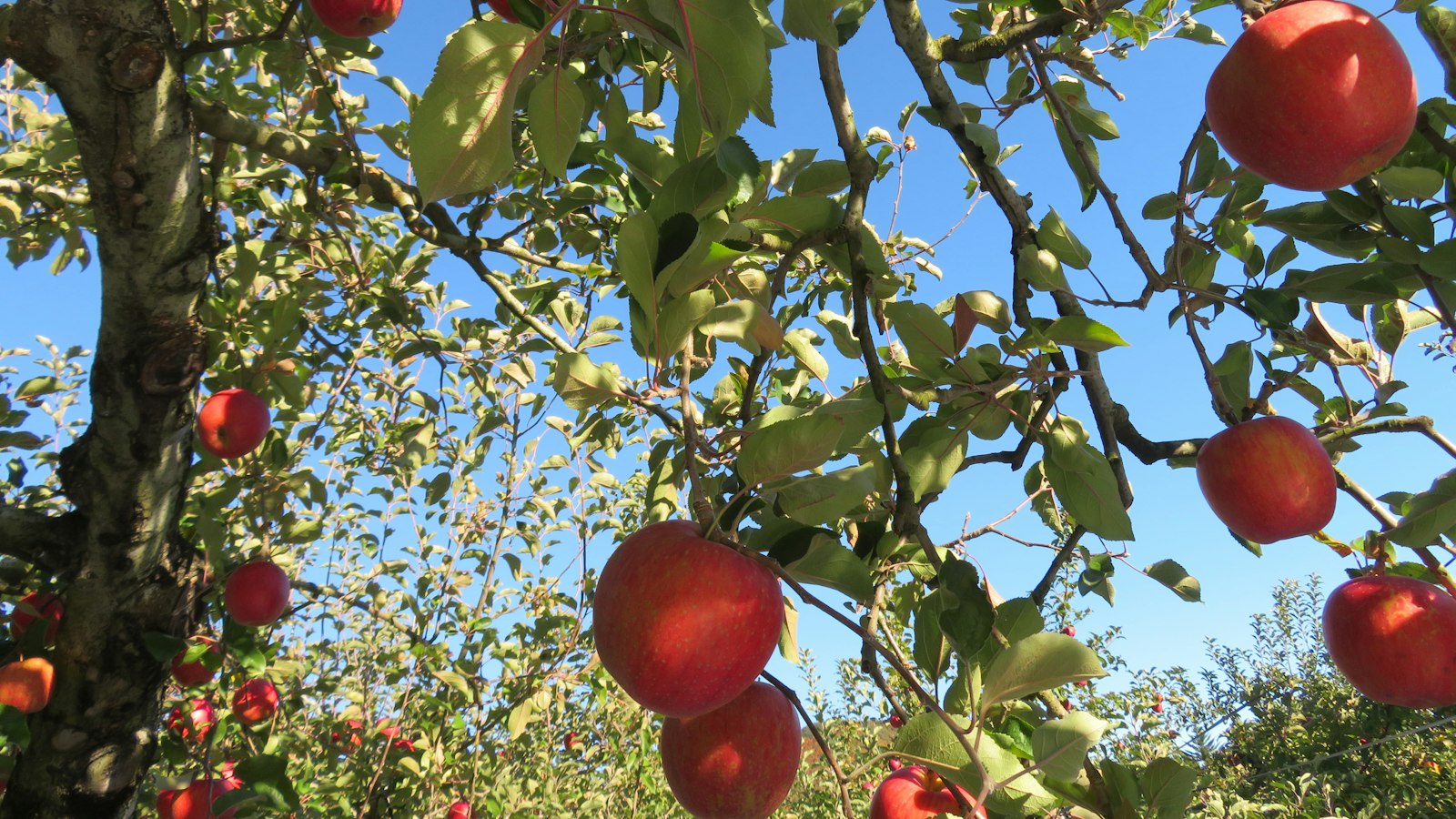
- Apples (ringo-gari): October–November, famously in Aomori (Hirosaki) and Nagano; the Fuji variety usually ripens late, in November.
- Mikan mandarins (mikan-gari): October–December, in Shizuoka, Wakayama, Ehime and the Kanagawa area near Tokyo.
- Persimmons (kaki-gari): October–November, in Nara, Wakayama and Gifu.
- Sweet-potato digging (imo-hori): roughly September–November at many farms near cities.
Entry fees are typically ¥500–2,000, depending on the fruit and whether all-you-can-eat on site is included. Fruit you take home is usually charged by weight. Book ahead for peak weekends.
We checked these details on November 14, 2026, against the sources listed at the end. Harvest timing varies with each year's weather, and every orchard sets its own prices, hours and rules; check the orchard's site before you go.
2. How Fruit Picking Works in Japan
In Japanese, “-gari” (狩り, originally “hunting”) is used for picking activities: ichigo-gari (strawberries), budo-gari (grapes), ringo-gari (apples) and mikan-gari (mandarins). The common formats are:
- Tabehoudai (all you can eat): pay an entry fee and eat as much as you like on site within a time limit (often 30–60 minutes).
- By weight: pay for what you pick and take home.
- Combination: a small entry fee for eating on site, with take-home fruit charged separately.
Staff will show you how to pick properly (for example, twisting an apple upward rather than pulling it), which rows you can use and which varieties are ripe.
3. Late-Autumn Fruit Calendar
| Fruit | Usual season | Famous areas |
|---|---|---|
| Grapes | August–October (mostly over by November) | Yamanashi, Nagano |
| Japanese pears (nashi) | August–October | Chiba, Tottori |
| Apples | October–November | Aomori, Nagano |
| Persimmons | October–November | Nara, Wakayama, Gifu |
| Mikan mandarins | October–December | Shizuoka, Wakayama, Ehime, Kanagawa |
| Sweet-potato digging | Roughly September–November | Many suburban farms (NEEDS VERIFICATION per farm) |
| Strawberries (for reference) | Usually from around January in greenhouses | Tochigi, Shizuoka, Chiba |
If you're visiting in mid- or late November, apples and mikan are the safest choices.
4. Apple Picking: Aomori and Nagano
Aomori (Hirosaki)
Aomori is Japan's apple capital. Around Hirosaki, many orchards and an apple park let visitors pick by weight or for a small fee. The late harvest runs until around early November, with Fuji usually ripening last. From Tokyo, take the Tohoku Shinkansen to Shin-Aomori, then a local train to Hirosaki.
Nagano (Matsumoto, Azumino, Iiyama)
Nagano is closer to Tokyo (about 1.5 hours to Nagano by Shinkansen). Many orchards around Matsumoto and Azumino welcome visitors until about mid-November, some with all-you-can-eat plans plus take-home picking. Combine it with late foliage and hot springs.
Tip: Japanese apples are sweet and very large; one can easily serve two people. Don't pick more than you can eat or carry.
5. Mikan Picking: Easy from Tokyo
Mikan are small, thin-skinned, easy-to-peel mandarins and Japan's favorite winter fruit. Mikan orchards often charge a flat entry fee with no weight limit for eating on site. Near Tokyo, there are orchards in Kanagawa (Odawara, Yugawara) and Shizuoka, easy to combine with Hakone or the Izu coast. In Kansai, Wakayama is the best known (Arida mikan); in Shikoku, it's Ehime.
- Mikan orchards are often on steep hillsides, so wear walking shoes.
- Bring a small bag for peels; many orchards ask you to dispose of them in set places.
- To combine it with a hot-spring visit, see our guide to Hakone Yunessun.
6. Persimmon Picking and Sweet-Potato Digging
Persimmons: Japan has sweet persimmons (eaten crisp straight away) and astringent ones (which must be dried into hoshigaki). Picking orchards usually offer sweet types such as Fuyu and Jiro. Nara and Wakayama have many orchards; Gifu is known for Fuyu persimmons.
Sweet-potato digging (imo-hori): hugely popular with families with young children. You pay per row or per plant, dig by hand or with a small trowel and take the potatoes home to roast. Wear clothes that can get dirty and bring gloves.
For dishes made with sweet potatoes and chestnuts, see our guide to autumn food in Japan.
7. Typical Prices
| Format | Estimate |
|---|---|
| Entry fee with eating on site | about ¥500–2,000 per adult |
| Children | usually cheaper; free for small children at some farms |
| Take-home fruit | by the kilo or by the bag (NEEDS VERIFICATION per orchard) |
| Fruit-picking tours with transport from Tokyo | higher, usually including transport and lunch |
Some orchards are cash-only, and prices can differ between weekdays and weekends.
8. Booking and Getting There
- Many orchards take online or phone bookings; fine-weather weekends often fill up.
- Orchards are usually far from stations; check local buses or taxis. Some offer station pickups if you book ahead.
- Renting a car is flexible in the countryside, but you'll need a valid international driving permit.
- Day tours from Tokyo or Osaka with a bus and picking included are the easiest option if you're not confident with local transport.
If you're traveling by rail, see our guide to choosing a JR regional pass in 2026 to compare costs.
9. Orchard Rules and Etiquette
- Pick only in the designated area, not from rows outside it.
- Don't take fruit out of the orchard before paying (at by-weight orchards).
- Don't break branches or climb trees.
- Put rubbish, peels and cores in the right place.
- Keep children in sight; some orchards have ladders or slopes.
- Don't leave your own food lying around; some orchards ban outside food.
10. What to Bring
- Walking shoes, clothes that can get dirty and a light jacket (mountain mornings are cold).
- Wet wipes, small plastic bags and a bag for take-home fruit.
- Cash in small notes and coins.
- Sunscreen and a hat on sunny days.
11. Taking Fruit Home or Sending It
Many orchards and roadside stations (michi-no-eki) can ship fruit to addresses within Japan by courier; fruit is a popular gift in Japan. Note that most countries restrict bringing fresh fruit home, so check your country's import rules before buying fruit to take abroad.
If you're traveling and want to send bags to a hotel or the airport, see our guide to luggage forwarding in Japan.
12. Day-Trip Ideas
From Tokyo: Mikan in Kanagawa + Hakone
- Morning: train to Odawara, then on to a mikan orchard (bus or taxi).
- Midday: pick mikan and have a seafood lunch in Odawara.
- Afternoon: go up to Hakone for an onsen and late autumn leaves.
From Tokyo: Apples in Nagano
- Morning: Shinkansen to Nagano or a train to Matsumoto.
- Midday: pick apples and have Shinshu soba.
- Afternoon: visit Zenkoji temple or Matsumoto Castle, then return to Tokyo.
13. Estimated Costs for a Day Trip
| Item | Estimate |
|---|---|
| Orchard entry | about ¥500–2,000 |
| Take-home fruit | varies by weight |
| Local bus or taxi from the station | varies; taxis in the countryside can be expensive |
| Lunch | about ¥1,000–2,000 |
Rail fares depend on your route; compare single tickets with regional passes.
14. Common Mistakes to Avoid
- Going after the season ends: grapes usually finish in October; in November, choose apples or mikan.
- Not booking ahead at weekends.
- Eating too much too fast: all-you-can-eat fills you up quickly; try several varieties rather than lots of one.
- Forgetting to check return buses in rural areas.
- Buying fresh fruit to take abroad without checking quarantine rules.
15. Your Phone and Mobile Data
Orchards are usually in rural areas, so you'll need data to book, find your way from the station, call a taxi, check bus times and translate signs. Free Wi-Fi at orchards is almost nonexistent (see our guide to free Wi-Fi in Japan).
Need mobile data during your Japan trip? Compare HD Telecom's available eSIM and Wi-Fi options, and check device compatibility before choosing a plan. Visitors can read our guide to travel eSIMs for 5–14 day trips. For longer stays, see HD Telecom's Monthly Data eSIMs (your phone must support eSIM) and Monthly Pocket WiFi rentals, and check each plan's data allowance, the speed after the allowance runs out, coverage and the terms on the product page.
16. Fruit Picking Near Major Cities
| Base city | Nearby options in late autumn | Notes |
|---|---|---|
| Tokyo | Mikan in Kanagawa and Shizuoka; apples in Nagano; potato digging in Saitama and Chiba | Day trips are realistic by train plus bus or taxi |
| Osaka / Kyoto | Mikan and persimmons in Wakayama; persimmons in Nara | Wakayama orchards pair well with a coastal trip |
| Nagoya | Persimmons in Gifu; apples in Nagano | Combine with Takayama or the Kiso Valley |
| Sendai / Tohoku | Apples in Aomori, Iwate and Yamagata | The northern apple harvest is earlier; check dates |
Use these as a starting point and confirm each orchard's opening dates before you go; some close as soon as the season's fruit has been picked.
17. Tips for Families with Children
- Choose orchards with low trees and flat ground; mikan hillsides can be steep for small legs.
- Bring a change of clothes, especially for potato digging.
- Check that the orchard has toilets and somewhere to wash hands.
- Set a fruit limit with children before you start so they don't fill up in the first ten minutes.
- Many orchards have small shops selling juice, jam and ice cream; budget a little extra.
18. Making the Most of Seasonal Fruit After the Trip
Japanese fruit is often eaten simply, but you can also try regional treats made from it: apple pies and cider in Aomori, dried persimmons (hoshigaki) in Nagano and Gifu, and mikan juice or jelly in Wakayama and Ehime. Roadside stations (michi-no-eki) sell these at reasonable prices and are good places for a lunch break with local produce. If you live in Japan, buying a box of seasonal fruit from the farm is often cheaper than in city supermarkets.
19. Weather and Timing on the Day
Orchards in Nagano and Aomori can be close to freezing on November mornings, while Wakayama and Shizuoka mikan orchards are milder and sunnier. Midday is usually the most pleasant time to pick. If rain is forecast, choose a farm with covered areas or reschedule; wet hillsides are slippery, and fruit is less pleasant to eat in the rain.
20. FAQ
Do I need to speak Japanese?
Not necessarily. Many orchards are used to international visitors; use a translation app for price boards and rules. See our list of essential apps for traveling in Japan.
Can I go when it rains?
Many orchards stay open in light rain but may close in heavy rain. Call ahead.
Can I pick strawberries in November?
Usually not yet; greenhouse strawberry season mostly starts around January. Some farms open earlier – NEEDS VERIFICATION.
Is it good for young children?
Very much so, especially potato digging and mikan picking. Ask about children's prices and toilet facilities in advance.
What if I have a fruit allergy?
You can join but avoid the fruit you're allergic to; all-you-can-eat orchards won't refund you for not eating.
How much can I eat in an all-you-can-eat session?
Most people manage two to four apples or a dozen or so mikan before feeling full. The time limit matters less than your appetite, so pace yourself and taste different varieties.
Are orchards open on weekdays?
Most are, but some small family farms close on certain days or open only when fruit is ripe. Always check the orchard's calendar or call before traveling.
Can I visit without a car?
Yes, but plan carefully. Choose orchards near a station, use pickup services if offered, or join a day tour that includes transport.
Can I combine fruit picking with an onsen?
Yes. Many fruit areas, such as Nagano and the Izu side of Shizuoka, have hot springs nearby, making a relaxing day out.
21. Conclusion
Fruit picking is a fun and very seasonal way to get out of the city in autumn. In mid- to late November, choose apples in Nagano or Aomori, mikan in Kanagawa, Shizuoka or Wakayama, or potato digging with children. Book weekends ahead, bring cash and walking shoes, and keep your phone connected to find your way in the countryside.
Sources (checked November 14, 2026)
Related products
Find your plan with HD TELECOM
SIM, eSIM and Pocket WiFi — genuine quality, clear pricing, 24/7 support.
Your First Kaiseki Meal in Japan: Course Order, Etiquette, Prices and Autumn Dishes
Nishiki Market and Kyoto Autumn Food: What to Eat, Rules and Yudofu
Takayama in Winter: Snowy Old Town, Morning Markets, Hida Beef and Shirakawa-go

Hakodate in Winter: Mount Hakodate Night View, Christmas Fantasy 2026 and the Morning Market