

Nishiki Market and Kyoto Autumn Food: What to Eat, Rules and Yudofu
November 14, 2026
1. Quick Answer
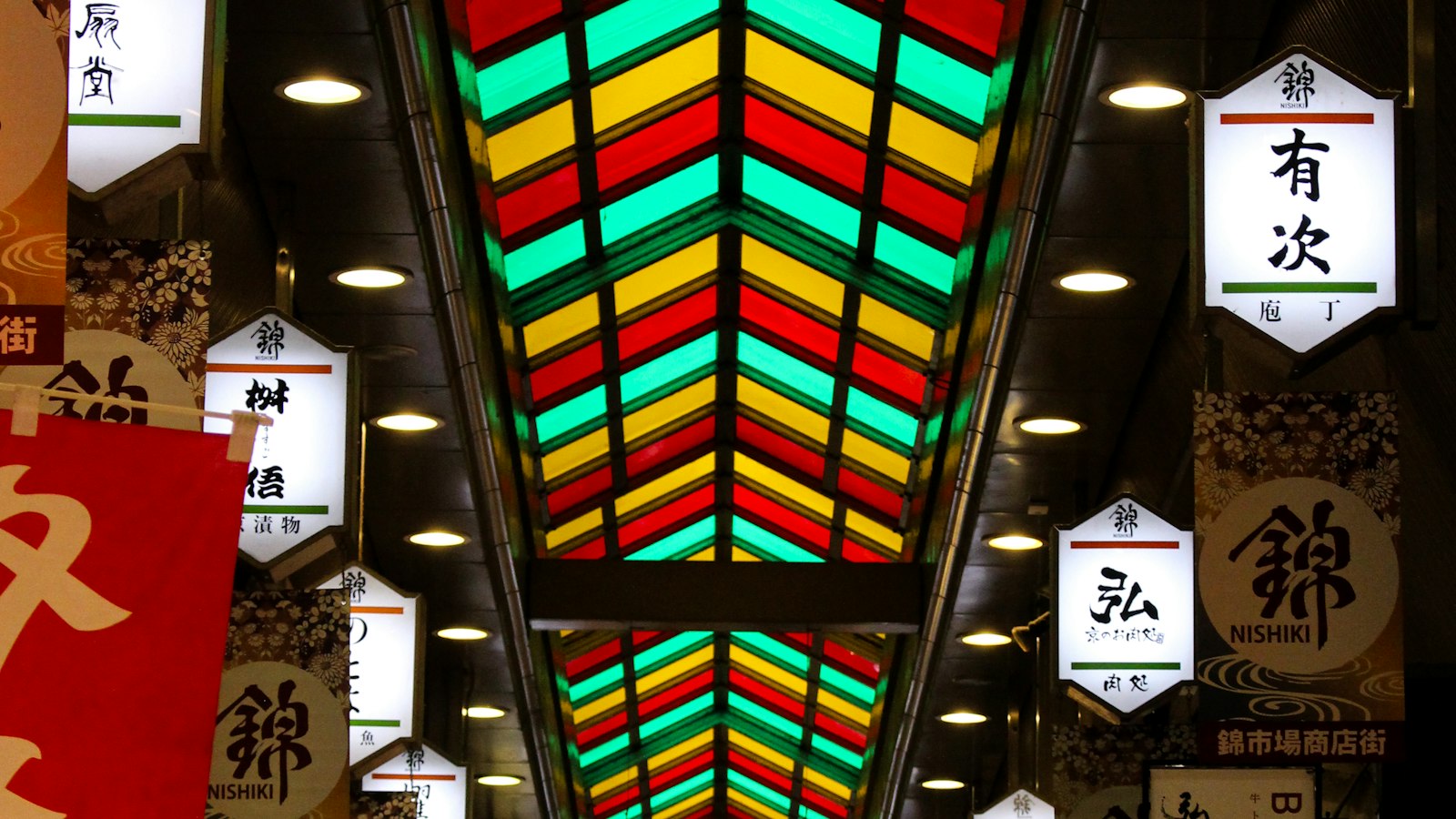
Nishiki Market (Nishiki Ichiba) is “Kyoto's kitchen”: a covered shopping street about 390 m long with around 130 shops selling food, pickles, tofu, dried goods and kitchenware. Autumn is a perfect time to combine Nishiki with Kyoto's signature dishes.
- Hours: vary by shop; many open roughly 9:00 to 17:00–18:00, and many close on Wednesdays.
- Key rule: don't eat while walking; eat in front of or inside the shop where you bought the food.
- Access: about 8 minutes on foot from Shijo Station (Karasuma Line); from Kyoto Station it's about 15 minutes by subway for ¥220.
- Kyoto autumn foods to try: yudofu (hot tofu), yuba (tofu skin), Kyoto pickles, obanzai (Kyoto home cooking), and matcha and chestnut sweets.
We checked these details on November 14, 2026, against the sources listed at the end. Each shop's hours, closing days and prices can change; check before you go.
2. Why Combine Nishiki with Autumn in Kyoto?
November is peak foliage season in Kyoto, so itineraries fill up with temples and shrines. Nishiki Market is right in the center, near Shijo-Kawaramachi, making it an ideal break: it's covered when it rains, it's full of small bites to try, and it sells autumn Kyoto foods such as chestnuts, sweet potatoes, mushrooms and hot tofu. If you're planning a foliage trip, see our guide to 10 autumn-leaf spots in Kyoto.
3. Nishiki Market Basics
| Item | Details |
|---|---|
| Length | About 390 m, covered |
| Number of shops | Around 130 |
| Hours | Vary by shop; many about 9:00–17:00/18:00 |
| Closing day | Many shops close on Wednesdays |
| Time needed | 1–2 hours |
| Quietest time | About 10:00–11:00 |
| Nearest stations | Shijo (Karasuma), Karasuma and Kyoto-Kawaramachi (Hankyu) |
At the eastern end is Nishiki Tenmangu Shrine, founded in 1003. After dark, about 50 shop shutters display art based on the works of the painter Ito Jakuchu.
4. Market Rules and Etiquette
- Don't eat while walking. Eat in front of or inside the shop where you bought it; many have a small standing area.
- Ask before photographing storefronts or products; some shops don't allow it.
- Bring cash in small notes and coins; some long-established shops are cash-only.
- There are no lockers in the market; leave luggage at Kyoto Station, Shijo Station or your hotel.
- The aisle is narrow; don't stop in the middle, and don't bring big suitcases.
- Dispose of rubbish at the shop; there are few public bins.
5. What to Eat at Nishiki
- Dashimaki tamago: Kyoto-style rolled omelet made with dashi; Miki Keiran (founded 1928) is famous for it.
- Soy-milk doughnuts: fried fresh at the tofu shop Konnamonja.
- Tako tamago: a baby octopus stuffed with a quail egg, a famous snack.
- Yuba cream croquettes: fried snacks at counters such as Hanayori Kiyoe.
- Grilled fish and tempura: Uoriki (founded 1919) is known for grilled fish and hamo (pike conger) tempura.
- Kyoto pickles (kyo-tsukemono): try senmaizuke (thin-sliced turnip) and shibazuke (purple pickles).
- Autumn sweets: chestnut, sweet potato and matcha treats.
Most snacks cost a few hundred yen each; go with friends and share so you can try more.
6. What to Buy as Gifts
- Custom shichimi: seven-spice chili blends; some shops let you choose the mix and taste.
- Konpeito and Kyoto candies, beautifully wrapped.
- Vacuum-packed pickles (check your country's rules on bringing food home).
- Kitchenware: Japanese knives, chopsticks and small ceramics.
- Uji tea and matcha.
Some shops offer tax-free shopping for visitors; see our guide to tax-free shopping in Japan in 2026 for the new rules.
7. Kyoto Autumn Foods Beyond the Market
Yudofu (Hot Tofu)
Silky tofu simmered in kombu broth and dipped in soy sauce with condiments. The area around Nanzenji temple is famous for long-established yudofu restaurants, usually serving set meals. It's perfect on chilly late-autumn days and pairs well with foliage at Nanzenji and Eikando.
Yuba (Tofu Skin)
The thin film that forms when soy milk is heated, eaten fresh with soy sauce or used in simmered and fried dishes. Many restaurants in Arashiyama and central Kyoto offer yuba sets.
Obanzai
Kyoto home-style cooking: lightly cooked seasonal vegetables, tofu and fish. In autumn, look for kabocha squash, taro and mushrooms. Many restaurants in Pontocho and Gion serve obanzai buffets or platters.
Sweets and Matcha
Maple-leaf autumn wagashi, kurikinton (chestnut sweets) and matcha parfaits. Uji, about 20–30 minutes from Kyoto by train, is a famous tea area.
Nishin Soba and Saba-zushi
Soba topped with sweet-simmered herring, and pressed mackerel sushi, are two traditional Kyoto dishes available all year.
For Japan-wide autumn foods such as matsutake, sanma and chestnuts, see our guide to autumn food in Japan.
8. Suggested Half-Day Itinerary
- 10:00: enter Nishiki from Shijo Station, walk west to east and try four to six small bites.
- 11:30: visit Nishiki Tenmangu at the end, then browse the covered Teramachi and Shinkyogoku streets.
- 12:30: take a bus or subway to the Nanzenji area for a yudofu lunch.
- 14:00: see the foliage at Nanzenji, Eikando or along the Philosopher's Path.
For the evening, stroll Pontocho and try obanzai or an izakaya (see our guide to your first izakaya in Japan).
9. Tips for Avoiding Crowds
- Arrive before 11:00 or after 15:00 on weekdays.
- Avoid November weekends, when Kyoto is busiest in foliage season.
- Remember that many shops close on Wednesdays, and some close early.
- Walk in one direction so you're not pushing against the flow.
10. Getting There and Around
| From | How | Time |
|---|---|---|
| Kyoto Station | Karasuma subway to Shijo, then about 8 minutes on foot | about 15 minutes, ¥220 |
| Osaka (Umeda) | Hankyu line to Kyoto-Kawaramachi | about 45 minutes (NEEDS VERIFICATION by train) |
| Gion | Walk across Shijo Bridge | about 10–15 minutes |
Kyoto buses are packed in foliage season; the subway and walking are often faster. Coming from Tokyo? See our Shinkansen guide for Tokyo, Kyoto and Osaka.
11. Estimated Costs
| Item | Estimate |
|---|---|
| Market snacks (four to six) | about ¥1,500–3,000 |
| Yudofu set near Nanzenji | varies by restaurant – NEEDS VERIFICATION |
| Matcha sweets | about ¥800–2,000 |
| Gifts (shichimi, pickles, tea) | depends on your choices |
12. Vegetarian Diets, Allergies and Restrictions
Kyoto has a tradition of Buddhist temple cuisine (shojin ryori), so tofu and yuba are everywhere. However, many dishes use dashi made from bonito flakes (katsuobushi); ask clearly if you're strictly vegetarian. If you're allergic to seafood, eggs or soy, carry a card in Japanese and ask before buying.
13. Common Mistakes to Avoid
- Eating while walking: considered rude, and the market asks visitors not to.
- Visiting on a Wednesday: many shops are closed.
- Bringing a suitcase into the narrow market.
- Eating only at the market: you'll miss yudofu, obanzai and proper Kyoto restaurants.
- Not carrying cash.
14. Your Phone and Mobile Data
You'll need data to translate dish names and labels, find yudofu restaurants, book tables, use maps and train times, and follow foliage reports. Free Wi-Fi in a crowded market is unreliable (see our guide to free Wi-Fi in Japan).
Need mobile data during your Japan trip? Compare HD Telecom's available eSIM and Wi-Fi options, and check device compatibility before choosing a plan. Visitors can read our guide to travel eSIMs for 5–14 day trips. For longer stays, see HD Telecom's Monthly Data eSIMs (your phone must support eSIM) and Monthly Pocket WiFi rentals, and check each plan's data allowance, the speed after the allowance runs out and the terms on the product page.
15. A Short History of Nishiki Market
Nishiki has been a food market for centuries, thanks to the clean groundwater under this part of Kyoto, which kept fish and produce fresh. Many shops are family businesses that have operated for generations, supplying Kyoto's restaurants and households with ingredients such as tofu, pickles, dried fish and seasonal vegetables. Today it's also popular with visitors, so some shops focus on snacks, but you'll still see chefs and locals buying ingredients in the morning.
16. Autumn Specialties to Look For
| Item | Japanese | Notes |
|---|---|---|
| Chestnuts | 栗 kuri | Roasted chestnuts, chestnut rice and sweets |
| Kyoto vegetables | 京野菜 kyo-yasai | Heirloom vegetables such as Kamo eggplant and Shogoin turnip (seasons vary) |
| Mushrooms | きのこ kinoko | Shiitake, maitake and, at a price, matsutake |
| Senmaizuke | 千枚漬け | Thinly sliced turnip pickles, a late-autumn and winter specialty |
| Yuba | 湯葉 | Fresh tofu skin, sold in packs |
Seasonal availability changes week to week; ask shop staff “今の旬は何ですか?” (what's in season now?).
17. Cooking with Market Ingredients
If you're staying in an apartment or living in Japan, Nishiki is a great place to buy ingredients for a simple Kyoto-style meal: fresh tofu for yudofu, kombu for the broth, a packet of yuba, Kyoto pickles and a bag of seasonal vegetables. Many shops will explain how to prepare their products. Kitchenware shops nearby sell donabe clay pots, perfect for hot pots at home in winter.
18. Nearby Covered Streets and Department Stores
Nishiki connects to two covered shopping streets, Teramachi and Shinkyogoku, which run north–south toward Sanjo. They're full of souvenir shops, small temples, cafés and drugstores. To the south, the department stores on Shijo-dori (Takashimaya and Daimaru) have depachika food halls with Kyoto sweets and bento, useful if Nishiki is too crowded. Together, they make a good rainy-day route in central Kyoto.
19. Seasonal Events Around the Market
- Late autumn: foliage season brings the biggest crowds to Kyoto; weekday mornings are calmest.
- End of December: the market is at its busiest as locals shop for New Year foods; it's lively but very crowded.
- New Year: many shops close for several days in early January; check before visiting (see our guide to New Year in Japan 2027).
20. FAQ
Is Nishiki Market open on Sundays?
Most of it is, but each shop has its own closing day; Wednesday is the most common.
Can I have breakfast at the market?
Many shops open around 9:00–10:00, so it suits a late breakfast or light meal.
Are there toilets?
There are public toilets nearby; ask a shop or use the department stores around Shijo.
Can I bring young children?
Yes, but the aisle is narrow and crowded; use a baby carrier rather than a stroller at peak times.
Can I take pickles home?
It depends on your country's rules; choose vacuum-packed products and check food import rules first.
How much time should I allow for yudofu at Nanzenji?
About an hour for a set meal. Popular restaurants have queues at lunchtime in November, so arrive early or reserve if possible.
Is Nishiki Market good on a rainy day?
Yes. The covered arcade connects to the covered Teramachi and Shinkyogoku streets, making it one of the best rainy-day options in central Kyoto.
Can I pay by card or IC card?
Some shops accept cards or IC cards, but many smaller stalls prefer cash. Carry enough yen for snacks.
Is Nishiki Market expensive?
Snacks are a little pricier than in ordinary shops, but each item is small. Setting a budget of about ¥2,000–3,000 lets you try a good range without overspending.
Can I join a food tour?
Yes. Several companies run guided food tours of Nishiki and the surrounding area, explaining ingredients and history. They're useful if you want context or have dietary restrictions, as guides can help communicate with shops.
When is the best season for Kyoto food?
Every season has highlights, but autumn brings chestnuts, mushrooms and new-harvest rice, and winter brings yudofu, senmaizuke and hot pots.
What's a good drink to try at the market?
Look for freshly made soy milk at tofu shops, matcha drinks and, for adults, small cups of local sake at some shops. Kyoto's Fushimi district is famous for sake.
Is there seating in the market?
Very little. A few shops have small counters or eat-in corners, so plan to eat standing at the shop or have a sit-down meal nearby.
21. Conclusion
Nishiki Market is a delicious stop between days of foliage viewing in Kyoto. Arrive early, bring cash, eat at the shop instead of while walking, and combine it with yudofu near Nanzenji, obanzai and matcha sweets. Keep your phone connected to translate menus and find your way through Kyoto's busy autumn streets.
Sources (checked November 14, 2026)
Related products
Find your plan with HD TELECOM
SIM, eSIM and Pocket WiFi — genuine quality, clear pricing, 24/7 support.
Depachika: Japan's Department-Store Food Halls – What to Buy and When to Save
Your First Kaiseki Meal in Japan: Course Order, Etiquette, Prices and Autumn Dishes
Autumn Fruit Picking in Japan: Apples, Mikan and Persimmons – Where and How Much
Takayama in Winter: Snowy Old Town, Morning Markets, Hida Beef and Shirakawa-go