

First Time at a Japanese Izakaya: Otoshi, Nomihodai, Ordering, and Year-End Party Etiquette
November 7, 2026
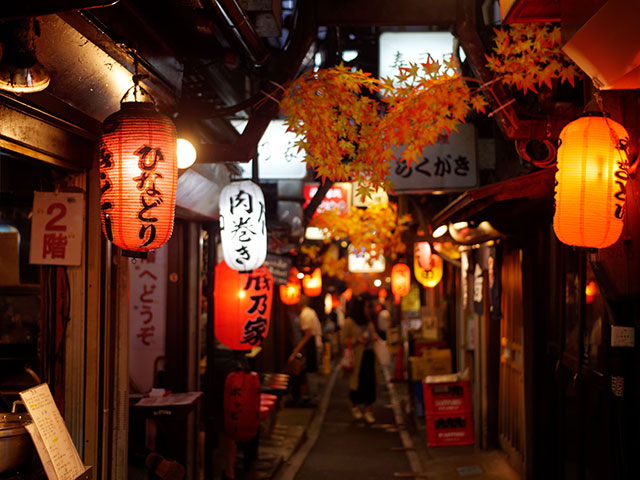
Quick Answer: An Izakaya (居酒屋) is a Japanese-style pub that serves drinks and small plates meant for sharing among groups. The three things that surprise foreigners the most are: (1) the otoshi fee (お通し)—a small appetizer served automatically and charged per person, with prices set by each establishment; (2) nomihodai (飲み放題)—an all-you-can-drink package for a set time limit, which comes with its own last-order cut-off; and (3) ordering via tablets or QR codes at many chain locations. There is no tipping culture in Japan, the legal drinking age is 20, and indoor smoking in restaurants has been restricted by law since 2020. December is the season for year-end parties (忘年会 – bonenkai), making venues extremely crowded and usually requiring advance reservations. If you don't drink alcohol, simply order non-alcoholic beverages—it is completely normal.
This article breaks down each type of charge, how to order, splitting the bill, company party etiquette, and safety tips for heading home.
What Is an Izakaya?
An izakaya can be thought of as a “Japanese-style pub,” but the atmosphere is often much closer to a casual shared-plate restaurant than a bar. The menu is extensive: grilled chicken skewers (yakitori), deep-fried dishes (karaage), sashimi, salads, edamame, rice balls, noodles, grilled specialties, and small hot pots. Guests typically order multiple plates placed in the center of the table to share.
There are two main types of izakayas:
| Type | Characteristics | Best For |
|---|---|---|
| Major Izakaya Chains | Illustrated menus, tablet ordering, numerous nomihodai plans, private rooms for groups | First-timers, large groups, company parties |
| Small Independent Pubs | Handwritten menus, seasonal dishes, master/owner behind the counter | Experiencing local vibes, parties of 2–3 people |
For foreigners living in Japan, izakayas are the setting for many social gatherings: welcome parties for new colleagues, farewell parties, study group get-togethers, and especially year-end parties.
Understanding the Costs Before Sitting Down
Otoshi — The Mandatory Appetizer
Right after you take your seat, the staff will usually bring out a small dish (such as seasoned vegetables, beans, or small fish) even though you haven't ordered yet. This is otoshi (referred to as つきだし – tsukidashi in the Kansai region), which is billed per person and generally serves as a seating cover charge.
- The fee is set by each individual venue, typically amounting to a few hundred yen per person.
- Opt-out policies vary by establishment. Returning the dish does not necessarily waive the charge.
- If you want to know beforehand, ask before ordering: “お通しはいくらですか?” (Otoshi wa ikura desu ka? — How much is the otoshi?).
Nomihodai — All-You-Can-Drink
Nomihodai is a plan where you pay a fixed price for unlimited drinks from a designated list within a set time frame (usually 90–120 minutes).
- The last order time for nomihodai is typically 15–30 minutes before the session ends.
- Usually, the entire table must opt in to the nomihodai plan together.
- The drink list may or may not include high-end options; “premium” packages offer extra selections at a higher price.
- Set course menus (コース – course) with food are available for parties: a fixed price covering multiple dishes along with nomihodai.
Nomihodai is cost-effective if you plan on drinking roughly 3 to 4 glasses or more during the allotted time; if you only drink one or two glasses, ordering à la carte is generally cheaper.
Other Fees You Might Encounter
- Service charge or late-night fee: Some venues, especially those with private dining rooms or located in bustling downtown hubs, add a service charge. This is usually stated on the menu.
- Private room or special seating fees at certain locations.
- Tax: Prices may be displayed exclusive of tax (税抜) or tax-inclusive (税込)—pay close attention to the notation.
If you spot an unfamiliar charge on your receipt, you have every right to ask the staff for clarification. If you encounter incorrect pricing issues or were lured into a venue by street touts, you can contact a consumer consultation hotline.
How to Order
Ordering via Tablet or QR Code
Many izakaya chains provide tablets at the table or QR codes to order via your smartphone. It is best to have one person in the group handle submitting orders to prevent duplicate requests. Before sending your final round, check your order history (注文履歴).
Ordering Directly with the Staff
Press the call bell on the table (if available) or call out “すみません” (sumimasen — excuse me) to get the staff's attention. Here are a few helpful phrases:
| Japanese | Romanization | Meaning |
|---|---|---|
| とりあえずビール | Toriaezu biiru | Draft beer to start, please (a classic first drink order) |
| これをください | Kore o kudasai | Please give me this (pointing at the menu) |
| ソフトドリンクはありますか? | Sofuto dorinku wa arimasu ka? | Do you have non-alcoholic drinks? |
| ラストオーダーは何時ですか? | Rasuto oodaa wa nanji desu ka? | What time is the last order? |
| お会計お願いします | Okaikei onegaishimasu | Check, please |
| 別々に払えますか? | Betsubetsu ni haraemasu ka? | Can we pay separately? |
Suggested Order Flow for a Table of 4
- Round 1: Drinks, edamame, salad, and a small sashimi platter.
- Round 2: Karaage, yakitori, rolled omelet (dashimaki tamago), and a grilled dish.
- Round 3 (if still hungry): Grilled rice balls, noodles, miso soup, or chazuke to wrap up the meal.
- Dessert: Ice cream or a small sweet treat.
Ordering in small batches helps prevent food waste and keeps costs under control.
Must-Try Dishes at an Izakaya
If you are not sure what to get, the table below highlights popular, crowd-pleasing dishes found at nearly every izakaya:
| Dish | Japanese | Description |
|---|---|---|
| Boiled Edamame | 枝豆 (edamame) | The quintessential first snack to pair with drinks |
| Japanese Fried Chicken | 唐揚げ (karaage) | Chicken marinated in ginger, garlic, and soy sauce, then fried crispy |
| Grilled Chicken Skewers | 焼き鳥 (yakitori) | Choose between sweet glaze (タレ – tare) or salt (塩 – shio) |
| Rolled Dashi Omelet | だし巻き玉子 (dashimaki tamago) | Tender and juicy with a delicate dashi broth flavor |
| Assorted Sashimi | 刺身盛り合わせ | A variety of seasonal raw fish slices |
| French Fries | フライドポテト | Great for children and those who don't eat raw fish |
| Tofu Salad | 豆腐サラダ | A light, refreshing dish between fried foods |
| Grilled Rice Balls | 焼きおにぎり | A popular dish to finish the meal |
| Chazuke | お茶漬け | Rice steeped in green tea or dashi broth, enjoyed at the end of the meal |
Note for those avoiding pork: Many grilled skewers, hot pots, and broths contain pork meat or lard. Be sure to ask the staff “豚肉は入っていますか?” (Butaniku wa haitte imasu ka? — Does this contain pork?) or check the dietary info on the ordering tablet. Vegetarians should opt for edamame, salads, french fries, and chilled tofu (冷奴 – hiyayakko, though watch out for bonito flakes sprinkled on top) and double-check about the broth base.
Kanpai and Drinking Etiquette
- Wait until everyone has their drink before sipping, then raise your glasses together and say “乾杯” (kanpai).
- At company parties, junior employees typically clink the rim of their glass slightly lower than that of their superiors—a polite gesture that is not mandatory for foreigners, but highly appreciated.
- Pouring drinks for others: When sharing bottled beverages, people in Japan usually pour for one another rather than for themselves. If you do not want another drink, leave your glass full.
- Never force anyone to drink. Forcing alcohol on others (アルハラ – alcohol harassment) is increasingly recognized as unacceptable behavior.
Year-End Parties (Bonenkai) and New Year Parties (Shinnenkai)
December is the season for bonenkai (忘年会 – “forget-the-year party”), and January is for shinnenkai (新年会 – New Year party). If you work or study in Japan, there is a strong chance you will be invited.
Things to keep in mind:
- Parties are usually booked as a course (fixed-price food course + nomihodai) and run for about 2 hours.
- The attendance fee (会費 – kaihi) is typically announced in advance by the organizer and collected in cash or via bank transfer. Please prepare the exact amount.
- Arrive on time; the party usually begins with a brief speech followed by a collective kanpai.
- The second-round party (二次会 – nijikai), such as karaoke or moving to another bar, is optional. Declining politely is completely acceptable: “明日早いので、今日はここで失礼します” (Ashita hayai node, kyou wa koko de shitsurei shimasu — I have an early start tomorrow, so I will take my leave for today).
- Work talk: The atmosphere is much more relaxed than usual, but it is still wise to maintain a sense of decorum in your speech.
If you do not drink alcohol (for health, religious, or personal preference reasons): inform the organizer ahead of time if possible, and order non-alcoholic drinks from the nomihodai menu (oolong tea, soft drinks, non-alcoholic beer). In Japan, choosing not to drink is becoming widespread and respected.
Smoking, Drinking Age, and Safety
- The legal drinking age in Japan is 20. Establishments may ask to inspect your ID.
- Smoking: Since April 2020, the revised Health Promotion Act bans indoor smoking in most restaurants, except within designated smoking rooms or certain small qualifying venues that must display appropriate signage. Check the door signage if you want to avoid secondhand smoke.
- Never drive after drinking, and that includes riding a bicycle. Japanese law strictly penalizes drunk driving; lending a vehicle to or serving alcohol to someone who intends to drive carries severe penalties as well.
- Getting home safely: Keep an eye on the time of the last train (終電 – shuuden). Last trains during the year-end season are extremely packed. Taxis after midnight usually add a late-night surcharge.
- Beware of street touts in nightlife districts. Venues using street touts (キャッチ – kyacchi) may end up overcharging you drastically. Stick to places you have researched in advance.
Booking Tables for Large Groups
If you are the organizer for a gathering, particularly in December:
- Book 1–3 weeks in advance for Friday evenings and weekends.
- Choose a course (food set + nomihodai) so the cost per person is transparent from the start.
- Inquire about private rooms (個室 – koshitsu), non-smoking sections, or child seats if needed.
- Give advance notice regarding allergies, pork restrictions, or vegetarian diets so the kitchen can adjust course items.
- Confirm the cancellation policy: Many venues charge a cancellation fee for last-minute cancellations or reductions in party size.
- Collect payments in advance or agree on how to split the bill to save time at the end of the night.
Splitting the Bill
- Splitting equally (割り勘 – warikan) is the most common approach among friends.
- Some establishments only allow one single payment per table; ask in advance if you wish to pay individually.
- Many people use payment apps or mobile wallets to settle up with each other after one person pays the full bill.
- No tipping. Leaving extra change behind will likely result in the staff chasing after you to return it.
Using Your Phone for an Izakaya Night Out
A seamless gathering starts with booking the restaurant and ends with catching the right train home:
- Book tables through apps or reservation websites, previewing course menus and prices ahead of time.
- Translate handwritten menus using camera translation apps at smaller venues.
- Split the bill smoothly using transfer apps or mobile wallets.
- Check last train schedules and share your live location with friends when heading home late.
If you are living in Japan long-term, HD Telecom offers monthly data SIMs and eSIMs on the SoftBank or Rakuten Mobile networks, featuring plans with minimum commitment periods (typically 6 months, and from 2 months for the Rakuten 300GB plan). Check out popular payment methods in Japan to make splitting bills even more convenient.
Frequently Asked Questions
What is otoshi and is it mandatory?
Otoshi is a small appetizer served automatically, billed per person as a table cover charge. Opt-out policies vary by venue; ask before placing your order if you prefer not to have it.
Is nomihodai worth it?
It is worthwhile if you drink around 3 to 4 glasses or more during the package duration. If you drink less, ordering à la carte is generally cheaper.
Can I go to an izakaya if I don't drink alcohol?
Yes. Izakayas offer a wide range of non-alcoholic beverages and varied food options. At company parties, you can select non-alcoholic drinks without needing to provide extensive explanations.
Do I need to tip at an izakaya?
No. Japan does not have a tipping custom.
Is attending a bonenkai mandatory?
It is generally not mandatory, but it serves as an excellent opportunity to socialize. If you cannot attend, notify the organizer early and politely.
Conclusion
Izakayas are the ideal place to experience Japanese culinary and social culture. Simply understanding the otoshi charge, how to navigate nomihodai, last-order timing, and a few basic Japanese phrases will allow you to feel at ease at any gathering—from casual dinners with friends to company year-end parties. And remember: not drinking alcohol is completely fine, as long as you enjoy the food and get home safely.
Related products
Find your plan with HD TELECOM
SIM, eSIM and Pocket WiFi — genuine quality, clear pricing, 24/7 support.
Christmas in Japan 2026: Christmas Markets, KFC Pre-Orders, Strawberry Shortcake, and Holiday Traditions
Kawaguchiko in Winter: A Day Trip to See Mt. Fuji from Tokyo, Access, and Suggested Itinerary
Eating Conveyor Belt Sushi in Japan: How to Order via Tablet, Plate Prices, Fish Names, and Must-Know Etiquette
Okinawa in Winter: Whale Watching in Kerama, Japan's Earliest Cherry Blossoms and a 4-Day Plan