

Eating Conveyor Belt Sushi in Japan: How to Order via Tablet, Plate Prices, Fish Names, and Must-Know Etiquette
November 7, 2026
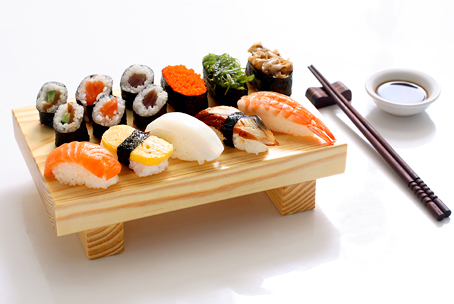
Quick Answer: Conveyor belt sushi (回転寿司 – kaiten sushi) refers to sushi restaurants where plates rotate around the counter on a conveyor belt, typically priced from around 100 yen to 500 yen or more per plate, with one or two pieces per plate. At major modern chains, most items are ordered via a tablet at your table, and the food travels on a dedicated express lane directly to your seat. The basic process: get a waiting ticket at the machine near the entrance (or reserve in advance via an app), sit at your assigned table, order via the screen (usually available in English), make your own green tea using powdered tea and the hot water tap at your table, and press the payment button when finished. Three important rules: do not touch plates on the conveyor belt unless you are taking them, do not place plates back onto the belt, and do not share chopsticks or soy sauce unhygienically. A full, satisfying meal for one person at budget chains is generally much cheaper than at traditional sushi restaurants.
The article below provides a detailed step-by-step guide, a Japanese-English fish name chart for easy ordering, and important tips for people with dietary restrictions, allergies, or those dining with young children.
How Conveyor Belt Sushi Differs from Traditional Sushi Restaurants
| Criteria | Conveyor Belt Sushi | Traditional Counter Sushi Restaurant |
|---|---|---|
| Price | Charged per plate, usually starting from around 100 yen | Usually set meals (omakase) or per piece, significantly higher |
| Ordering Method | Tablet or taking from the conveyor belt | Order directly with the chef |
| Atmosphere | Casual, suitable for families and children | More formal, usually requires advance reservation |
| Menu | Sushi, rolls, noodles, fried food, desserts | Mainly sushi and seasonal dishes |
| Best For | Everyday meals, first-time sushi tryouts | Special occasions |
If this is your first time eating sushi in Japan, conveyor belt sushi is the least intimidating option: you view photos, select your items, and easily control your budget based on the plate count.
Popular Conveyor Belt Sushi Chains
Japan has many major chains operating hundreds of locations, such as Sushiro, Kura Sushi, Hama Sushi, and Kappa Sushi, alongside regional chains and independent shops. Each chain has unique features:
- Seasonal Menus: Chains frequently launch limited-time dishes, such as seasonal fish or promotional collaboration items.
- Side Dishes: Ramen, udon, French fries, karaage, miso soup, desserts, and coffee — very convenient if dining with someone who doesn't eat raw fish.
- Mini Games: Some chains feature a system where you insert finished plates into a slot at the table to calculate the bill and play a digital game to win small prizes for children.
Prices and operating methods vary by chain and region and are subject to adjustment, so check the menu pricing at the store or on their official website.
Step-by-Step Guide to Eating Conveyor Belt Sushi
Step 1: Get a Ticket or Book in Advance
At major chains, an automated ticket machine is usually located near the entrance. Select the number of guests and your preferred seating type:
- カウンター (counter): Counter seats, suitable for solo diners or pairs.
- テーブル / ボックス (table/box): Booth/table seating for groups and families.
During weekend dinner hours, wait times can be quite long. Many chains offer apps or websites allowing you to draw a ticket or reserve a time slot in advance, allowing you to arrive right on time without waiting in line. When your turn comes, the display screen or loudspeaker will call your number and assign your table.
Step 2: Prepare at Your Table
At your assigned seat, you will typically find:
- A chopstick box, pickled ginger container (ガリ – gari), soy sauce bottles, and wasabi packets or containers.
- A green tea powder container (粉茶), teacups, and a hot water tap built into the counter.
- Tissues or wet wipes.
How to make tea: Add about one small spoonful of tea powder into your cup, place the cup under the tap, and press the cup firmly against the button to dispense hot water. The water is extremely hot — exercise caution with small children. At most restaurants, tea is a self-service beverage included with your meal.
Wasabi: At many chains, sushi is prepared without wasabi (サビ抜き – sabinuki) to accommodate children; you can add wasabi yourself from the packets or containers provided.
Step 3: Order Using the Tablet
Most major chains now utilize touch-screen tablets at the table:
- Select your language (English, Chinese, and Korean are commonly available; some devices include additional languages).
- Browse by category: fish sushi, rolls, gunkan (seaweed wrap with toppings), side dishes, drinks, and desserts.
- Select the items and quantity, then press submit. There is usually a limit on how many items you can order per submission.
- When your order arrives, an alert or chime will notify you; your food arrives on a dedicated express lane and stops directly in front of your seat. Take the plates off the lane and press the confirmation button on the screen if prompted.
If you take a plate directly from the main rotating conveyor belt instead of ordering via tablet, be sure to take the whole plate — do not pick up just the sushi piece. At some modern locations, the main conveyor belt is purely decorative or no longer carries real food, meaning all orders must be placed via the screen.
Step 4: Eat Sushi Properly (Optional, But Tastes Better)
- Dip the fish topping into the soy sauce, not the rice. Rice easily breaks apart and absorbs too much soy sauce.
- Eat one piece in a single bite whenever possible — sushi is crafted to be bite-sized.
- Pickled ginger is meant to cleanse your palate between different types of fish, not to be eaten together on top of the sushi.
- Eating with your hands or chopsticks are both perfectly acceptable for nigiri sushi.
- Suggested order: Start with lighter-tasting fish (white fish), followed by richer, fatty fish (salmon, fatty tuna) and heavily sauced items.
Step 5: Stack Plates and Pay
- Stack your finished plates by color, or drop them into the plate disposal slot if your table has one.
- When finished eating, press the お会計 (Check out) button on the screen. A staff member will come to count your plates, or the machine will calculate automatically.
- Take your bill slip or table number tag to the cashier counter, or pay at the self-checkout machine. Most major chains accept credit cards, IC transportation cards, and select e-wallets; smaller shops may be cash-only.
- Tipping is not customary in Japan.
Japanese – English Fish Name Chart for Ordering
| Japanese Name | Rōmaji | English Name | Notes |
|---|---|---|---|
| サーモン | saamon | Salmon | Very popular, easy to eat |
| まぐろ / 赤身 | maguro / akami | Tuna (lean) | Mild flavor, red meat |
| 中トロ / 大トロ | chuu-toro / oo-toro | Medium fatty tuna / Extra fatty tuna | Higher price point |
| はまち / ぶり | hamachi / buri | Yellowtail / Amberjack | Fatty and delicious in winter |
| たい | tai | Sea bream / Snapper | White fish, light flavor |
| えび | ebi | Shrimp | Includes cooked shrimp and raw sweet shrimp (甘えび) |
| いか | ika | Squid | Slightly chewy texture |
| たこ | tako | Octopus | Usually boiled |
| ほたて | hotate | Scallop | Sweet and tender |
| いくら | ikura | Salmon roe | Usually served as gunkan |
| うに | uni | Sea urchin | Distinctive flavor, premium price |
| うなぎ | unagi | Grilled eel with sauce | Fully cooked |
| 玉子 | tamago | Sweet omelet | Child-friendly |
| ツナマヨ | tsuna mayo | Tuna with mayonnaise | Usually served as gunkan |
| かっぱ巻き | kappa maki | Cucumber roll | Vegetarian, no fish |
| いなり | inari | Sushi rice in fried tofu pouch | Vegetarian, no fish |
Tip: If the tablet display doesn't offer your language, a mobile camera translation app can help you easily decipher dish names and descriptions.
Side Dishes and Desserts Worth Trying
Modern conveyor belt sushi restaurants resemble "family restaurants" more than traditional sushi joints. If dining with someone who avoids raw fish, there are still plenty of options:
- Miso soup with clams or fish: A comforting warm starter or finish to your meal.
- Chawanmushi (茶碗蒸し): A silky, savory Japanese steamed egg custard.
- Ramen and Udon: Served in smaller portions, ideal as a side to fill up.
- Fried items: Karaage (fried chicken), tempura, and French fries — huge hits with kids.
- Desserts: Puddings, ice creams, seasonal cakes, and coffee. Several chains invest heavily in their dessert quality.
Tip: If dining in a large group, order side dishes first while waiting for your sushi, and save desserts for the very end to avoid duplicate orders.
Estimated Cost Guide
The cost per plate depends on the chain and the type of seafood. Some chains feature a uniform base price for most plates, with premium items priced higher. Generally speaking:
| Dining Style | Estimated Range |
|---|---|
| Light meal (6–8 basic plates) | Low, ideal for lunch |
| Full meal (10–15 plates, including premium options) | Moderate |
| Adding sides, drinks, and desserts | Additional cost per item |
Prices listed on menus in Japan usually include tax. Review the prices displayed on the tablet screen before submitting your order, especially items marked with special color icons or labeled "期間限定" (limited time offer).
Conveyor Belt Sushi Etiquette
Inappropriate behaviors captured on video in recent years led chains to increase security and shift primarily to tablet ordering. Please respect the following guidelines:
- Do not touch plates on the conveyor belt unless you plan to take them. Once you touch a plate, you must take it.
- Never put a taken plate back onto the conveyor belt, even if you change your mind.
- Do not double-dip or share utensils unhygienically. Use a clean spoon or the clean end of your chopsticks to grab pickled ginger from communal jars.
- Do not tamper with lids, soy sauce bottles, or shared cups, and never leave trash on the conveyor belt.
- Do not linger at the table for too long when there is a long queue outside.
- Order responsibly to avoid food waste — freshly prepared custom orders cannot be returned.
Tips for Diets, Allergies, and Dining with Kids
- Shellfish, fish, or egg allergies: Many chains provide allergy information charts on their website or on the ordering tablet (アレルギー情報). However, as kitchens share preparation tools, cross-contamination risks exist.
- Pork-free diet: Most sushi items contain no pork, but side dishes (ramen, karaage, certain sauces) might. Check dish details before ordering.
- No raw food: Stick to cooked shrimp, grilled eel, tamago omelet, cucumber rolls, inari, fried foods, and noodles.
- Pregnant diners: Consult health guidelines regarding raw fish and species high in mercury (such as large tuna).
- Young children: Be careful around the hot water tap at the table; order items marked without wasabi (サビ抜き).
Reservations and Menu Translation via Mobile Phone
Visiting conveyor belt sushi restaurants during peak hours is significantly smoother when utilizing your smartphone:
- Get a ticket or reserve via app for the specific chain to drastically cut down waiting time.
- Check menus and prices beforehand on official websites to budget your meal.
- Translate dish names and allergy info using camera translation apps if the screen lacks your language.
- Pay with digital wallets at participating restaurants.
If you are living, studying, or working in Japan, HD Telecom offers monthly data SIMs and eSIMs powered by the SoftBank or Rakuten Mobile networks, with flexible minimum contract periods (typically 6 months, and starting from just 2 months for the Rakuten 300GB plan). Be sure to check your phone's compatibility before signing up. To discover more budget-friendly local dining options, check out our guide to Japanese convenience store food.
Frequently Asked Questions
How much does conveyor belt sushi cost in Japan?
Plates generally range from about 100 yen to 500 yen or more, depending on the chain and fish quality. The total cost of your meal depends on the total number and type of plates chosen.
Can I order food if I don't speak Japanese?
Yes. Ordering tablets at major chains almost always offer English, Chinese, and Korean language options alongside clear visual photos of every item.
Is green tea free at conveyor belt sushi restaurants?
Self-made green tea using the powder and hot water dispenser at your table is included with your meal. Other beverages such as soft drinks or beer are charged separately.
Do I need to make a reservation?
It is not mandatory, but during weekend dinner rush hours, grabbing a digital ticket in advance via the chain's app will save you considerable waiting time.
What if I accidentally pick up a plate I don't want?
Do not put it back on the belt. Keep the plate at your table; if there is a severe issue with the dish (e.g., allergies), notify a staff member for assistance.
Conclusion
Conveyor belt sushi is the most accessible and affordable way to enjoy fresh sushi in Japan: grab a ticket, order via touch screen, brew your own tea at the table, and hit check out when finished. Just remember a few basic courtesy rules — don't touch plates you aren't taking, don't put plates back on the belt, dip the fish side into soy sauce — and keep our fish name chart handy to try exciting new flavors every time you visit!
Related products
Find your plan with HD TELECOM
SIM, eSIM and Pocket WiFi — genuine quality, clear pricing, 24/7 support.

Kawaguchiko in Winter: A Day Trip to See Mt. Fuji from Tokyo, Access, and Suggested Itinerary
First Time at a Japanese Izakaya: Otoshi, Nomihodai, Ordering, and Year-End Party Etiquette

Okinawa in Winter: Whale Watching in Kerama, Japan's Earliest Cherry Blossoms and a 4-Day Plan

Shirakawa-go Winter Light-Up 2027: Dates, Tickets, Tours from Takayama and Tips