

Kawaguchiko in Winter: A Day Trip to See Mt. Fuji from Tokyo, Access, and Suggested Itinerary
November 7, 2026
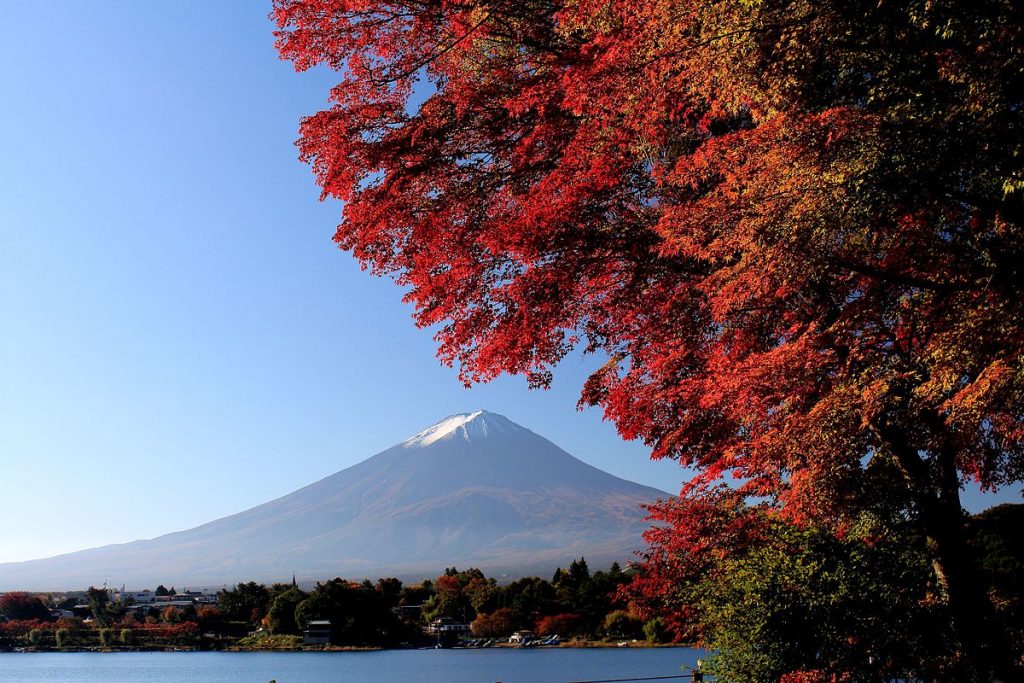
Quick answer: Lake Kawaguchi (河口湖 – Kawaguchiko) in Yamanashi Prefecture is the most accessible spot to view Mount Fuji from Tokyo, and winter offers the highest number of clear days to see the snow-capped peak. There are two main ways to travel from Shinjuku: by highway bus from the Busta Shinjuku terminal (about 1 hour 45 minutes to 2 hours 30 minutes depending on traffic, costing around 1,800–2,000 yen one way) or by the Fuji Excursion direct train to Kawaguchiko Station (about 1 hour 50 minutes to 2 hours, around 4,130 yen with a reserved seat). The most famous photo spot is the Chureito Pagoda in Arakurayama Sengen Park, near Shimoyoshida Station—which requires climbing 398 stone steps. Be sure to go in the morning as clouds often roll in during the afternoon, dress warmly, and check the Mount Fuji area weather forecast before you leave.
This article compares travel options, introduces Mount Fuji viewing spots in a logical itinerary order, suggests a one-day schedule, covers local specialties, and outlines etiquette rules to respect when taking photos in residential areas.
Why You Should Visit Kawaguchiko in Winter
Mount Fuji stands at 3,776 meters, but it is not always visible. Summer is humid and cloudy, leaving many day-trippers unable to catch even a glimpse of the peak. In contrast, from around November to February, the dry and cold air keeps the skies clearer, significantly increasing the chances of a sharp view. A snow-capped summit also provides that quintessential "Mount Fuji view" most travelers dream of seeing.
| Season | Visibility Chances | Characteristics |
|---|---|---|
| Winter (Dec–Feb) | Highest | Cold, clear skies, snow-covered peak |
| Spring (Mar–May) | Moderate | Cherry blossoms, large crowds |
| Summer (Jun–Aug) | Low | Humid, cloudy; climbing season |
| Autumn (Sep–Nov) | Moderate to High | Fall foliage around the lake in November |
Even in winter, visibility still depends on day-to-day weather conditions. Keep your travel dates flexible if possible.
How to Get from Tokyo to Kawaguchiko
| Transportation | Travel Time | Reference Price (One-Way) | Pros | Notes |
|---|---|---|---|---|
| Highway Bus (Busta Shinjuku) | 1 hr 45 min – 2 hr 30 min | Around 1,800–2,000 yen | Affordable, no transfers | Subject to traffic jams; advance reservation recommended |
| Fuji Excursion Train (Shinjuku → Kawaguchiko) | Around 1 hr 50 min – 2 hr | Around 4,130 yen (reserved seat) | Uninhibited by road traffic, direct service | Fewer departures; seats sell out fast during peak seasons |
| JR Train + Fujikyu Railway (Transfer at Otsuki) | Slightly longer | Varies by route | Flexible departure times | Requires a transfer |
Booking Tickets:
- Highway Bus: Book through bus company websites or highway bus booking portals; tickets typically go on sale about one month in advance. On weekdays, you can often buy tickets at the terminal if seats remain.
- Fuji Excursion: Purchase tickets at JR ticket counters in Shinjuku Station or book online. If using a JR Pass, note that the Fujikyu Railway section (from Otsuki to Kawaguchiko) is not covered and requires an additional fare.
Tip: Take an early train on the outbound leg to arrive before the clouds roll in, and return by highway bus to save money. On weekends, the highway back to Tokyo often experiences afternoon traffic jams—leave plenty of buffer time if you have evening plans.
Getting Around the Lake
The Kawaguchiko area operates sightseeing loop buses departing from Kawaguchiko Station. 1- to 2-day unlimited ride passes are available, which are very convenient if you plan to visit multiple spots. You can also rent a bicycle on sunny days, but keep in mind that winter brings cold winds and early morning roads can be icy.
Winter bus timetables may have fewer departures than during peak season. Be sure to note the time of the last bus and check maps on your phone.
Must-Visit Mount Fuji Viewing Spots
Chureito Pagoda (Arakurayama Sengen Park)
This is the iconic photo spot featuring the "Mount Fuji and five-story pagoda" view.
- How to get there: Take the Fujikyu Railway to Shimoyoshida Station, walk about 5 minutes to the shrine grounds, and then climb 398 stone steps to the viewing deck. Plan for about 20–25 minutes total from the station.
- There are no elevators or barrier-free paths. Wheelchair users or those with limited mobility may want to consider alternative viewpoints.
- Best time to visit: Morning hours when the skies are clear.
- The park is open 24/7 with free admission; the shrine grounds maintain their own operating hours.
Northern Shore of Lake Kawaguchi
The northern shore (near Oishi Park) offers a panoramic, straight-on view of the mountain across the water. On calm days, you can catch the reflection of Mount Fuji on the lake's surface. This area also has plenty of benches, cafes, and restrooms—making it an ideal place to take a break.
Mt. Fuji Panoramic Ropeway (Kachi Kachi Yama)
Located near the station, this ropeway carries you up to an observation deck overlooking both the lake and Mount Fuji in the background. It is an excellent alternative for those who prefer not to climb stairs. Please check the official website for operating hours and ticket prices.
Oshino Hakkai
A quaint village featuring eight crystal-clear spring ponds fed by Mount Fuji’s melting snow, reachable by a short bus ride from Kawaguchiko. It gets very crowded on weekends; weekday mornings offer a much more peaceful experience.
Suggested One-Day Itinerary from Tokyo
| Time | Activity |
|---|---|
| 7:30 – 9:30 | Take an early train or highway bus from Shinjuku |
| 9:45 – 11:15 | Get off at Shimoyoshida Station, climb up to Chureito Pagoda for the view |
| 11:30 – 12:00 | Take the Fujikyu Railway to Kawaguchiko Station |
| 12:00 – 13:00 | Enjoy a hot lunch of Hoto noodles |
| 13:00 – 15:00 | Sightseeing bus to the northern shore / Oishi Park; or ride the ropeway |
| 15:30 – 16:30 | Souvenir shopping, relax at a cafe near the station |
| 16:30 – 19:00 | Highway bus or train back to Tokyo |
If you can stay overnight, you will have the chance to admire the mountain at sunrise—the time of day when skies are usually at their clearest. Many accommodations around the lake offer rooms with Mount Fuji views and hot spring baths.
Staying Overnight: Tips for Choosing Accommodation
If your schedule allows, an overnight stay around Lake Kawaguchi makes the trip much more relaxing. You can view the mountain at dawn, when the air is crisp and the skies are generally at their clearest, while avoiding the influx of day-trippers that arrives starting around 10:00 AM.
A few tips for booking accommodation:
- Mount Fuji View rooms (富士山ビュー): Many hotels and ryokan along the northern or eastern shores offer rooms facing the mountain directly. While they cost more than standard rooms, they are well worth it if you want to enjoy the view without having to stand outside in the cold.
- Hot springs: Some properties feature open-air baths (rotenburo) overlooking Mount Fuji. Check tattoo policies and bathing hours in advance.
- Dinner: Ryokan stays typically include traditional Japanese course dinners. If you have dietary restrictions, notify the property upon booking.
- Proximity to the station: If traveling by public transit, choose lodging near Kawaguchiko Station or one that provides shuttle service to avoid long walks in the cold, dark evening.
- Book early for holidays: Weekends, the New Year period, and extended holidays often sell out far in advance.
The next morning, wake up early and head to the lakeside before breakfast. If the wind is calm, the mirror-like surface of the lake will treat you to an exquisite "Upside-Down Fuji" (inverted reflection)—a sight day-trippers rarely get to experience.
Traveling with Family, Young Children, or Seniors
- Chureito Pagoda involves 398 stone steps and has no elevator. For families with toddlers or elderly companions, consider the ropeway or viewing the mountain directly from the lakeside instead.
- Pack extra warm layers and hot drinks. Children and seniors are more vulnerable to the cold when spending extended periods outdoors.
- Choose itineraries with fewer transfers: Stay near Kawaguchiko Station and use the sightseeing loop buses to minimize walking.
- Restrooms: Available at stations, lakeside areas, and major attractions. They are generally absent in residential photo spots—make sure to use the restroom beforehand.
What to Eat in Kawaguchiko
- Hoto (ほうとう): Yamanashi Prefecture's signature specialty—flat, wide noodles simmered in a rich miso broth with pumpkin and vegetables, usually served in a hot iron pot. Perfect for cold winter days.
- Yoshida Udon: Renowned for its very chewy, firm noodles, this is a local specialty of Fujiyoshida City (near Chureito Pagoda).
- Sweets and Souvenirs: Local pastries, jams, products brewed with Mount Fuji spring water, and Yamanashi wines.
Check ingredients if you do not eat pork—some variations of hoto and udon include pork meat or animal-based broth.
Winter Weather, Clothing, and Safety
- Significantly colder than Tokyo: Kawaguchiko sits at an elevation of around 830 meters, and morning temperatures in winter often drop below freezing (0°C). Dress in thermal base layers, a heavy winter coat, gloves, and a beanie.
- Roads and walkways can freeze in the morning, especially the stone steps leading up to Chureito Pagoda. Wear shoes with good traction and hold onto handrails.
- Snowfall may delay buses or disrupt train schedules. Keep an eye on service status updates before heading out and throughout the day.
- Phone batteries drain much faster in freezing temperatures. Keep your device in an inner coat pocket and carry a portable power bank.
Visitor Etiquette: Respecting the Local Community
Surging visitor numbers in the Mount Fuji area in recent years have caused disruption for local residents. The 2026 Cherry Blossom Festival at Arakurayama Sengen Park was canceled due to overtourism, following complaints regarding severe traffic congestion, trespassing on private property, and disruptions affecting children walking to school. Several famous photo spots have also installed barriers to deter crowds from blocking roads and sidewalks.
Please help maintain a positive image for tourists and the foreign resident community:
- Do not enter private property, residential yards, or stand in the middle of roads to take photos.
- Do not photograph residents or private homes in residential neighborhoods without permission.
- Take your trash back with you or dispose of it in designated bins; public trash cans are very scarce.
- Follow local signs and instructions, including regulations regarding tripod usage.
- Arrive early and avoid peak hours to help ease congestion.
Checking Visibility and Staying Connected
Because Mount Fuji visibility can change by the hour, your smartphone is your most valuable travel tool:
- Check local Fuji area weather forecasts and live webcams around the lake before departing.
- Look up sightseeing bus schedules and return departures to Tokyo.
- Reserve bus, train tickets, and lunch spots online.
If you are a long-term resident in Japan, HD TELECOM offers monthly data SIMs, eSIMs, and Pocket WiFi running on the SoftBank and Rakuten Mobile networks, featuring reasonable minimum contract terms (typically 6 months, with the Rakuten 300GB plan starting from just 2 months). If you are visiting Japan for only a few days, please contact our support team for recommendations. Looking for more travel inspiration from Tokyo? Check out our guide on day trips from Tokyo.
Frequently Asked Questions
Which season offers the best visibility of Mount Fuji?
Winter (roughly December to February) offers the highest frequency of clear days. Morning visibility is generally much clearer than in the afternoon.
Is it better to take the train or the bus to Kawaguchiko?
The bus is more affordable but vulnerable to highway traffic; the Fuji Excursion train is more expensive but operates on a reliable schedule. Many travelers take the train out and return by bus.
How long does it take to climb up to Chureito Pagoda?
About 20–25 minutes from Shimoyoshida Station, which includes climbing 398 stone steps. There is no elevator.
Do I need to stay overnight?
It is not mandatory, but an overnight stay lets you enjoy the sunrise view and tour the area at a much more leisurely pace.
Can I use the JR Pass to reach Kawaguchiko?
The JR Pass only covers the JR section; the Fujikyu Railway section from Otsuki to Kawaguchiko must be paid separately.
Conclusion
Winter at Kawaguchiko provides the absolute best opportunity of the year to witness a snow-capped Mount Fuji in all its glory. Head out early, prioritize Chureito Pagoda in the morning, savor a piping-hot pot of hoto for lunch, and stroll along the lakeside in the afternoon—it all adds up to a perfect day trip from Tokyo. Bundle up warmly, check the cloud forecast beforehand, and remember to respect the local community along the way.
Related products
Find your plan with HD TELECOM
SIM, eSIM and Pocket WiFi — genuine quality, clear pricing, 24/7 support.
2027 Fukubukuro & New Year Sales in Japan: Tips for Lucky Bags & Hatsuuri
Christmas in Japan 2026: Christmas Markets, KFC Pre-Orders, Strawberry Shortcake, and Holiday Traditions
First Time at a Japanese Izakaya: Otoshi, Nomihodai, Ordering, and Year-End Party Etiquette
Eating Conveyor Belt Sushi in Japan: How to Order via Tablet, Plate Prices, Fish Names, and Must-Know Etiquette