

Autumn Day Trips from Tokyo: 10 Fall Foliage Spots to Return the Same Evening
October 1, 2026
Quick Answer
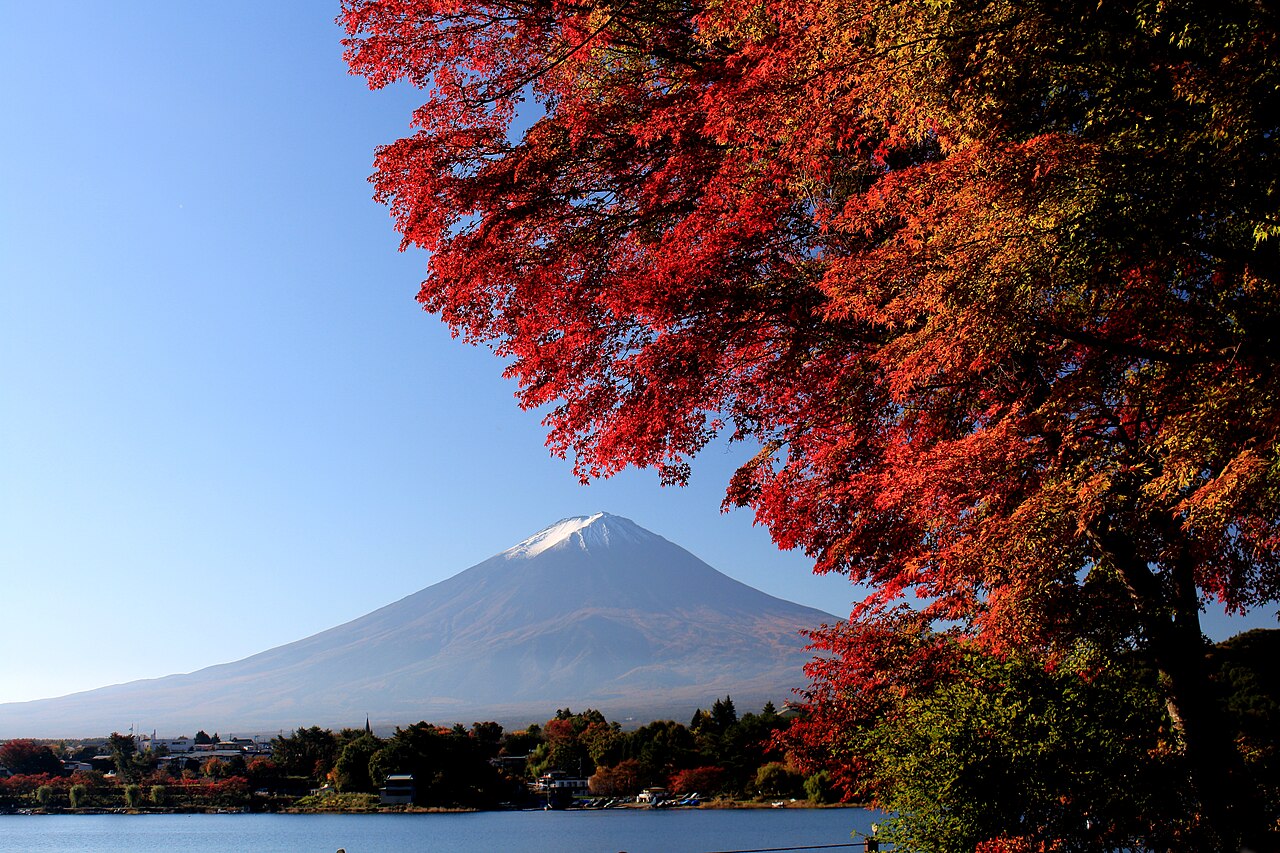
Have a day off and want to leave Tokyo to enjoy the autumn foliage? Choose by month: mid to late October for Oku-Nikko or Tanigawadake; early to mid-November for Karuizawa, Kawaguchiko, Shosenkyo, and Nagatoro; late November to early December for Kamakura, Sankeien in Yokohama, and Yoro Valley in Chiba. Every destination is doable as a day trip if you head out before 8:00 AM.
Who This Guide Is For
People living in Tokyo and neighboring prefectures—whether working or studying—who only have a single Saturday or Sunday to spare and don't want to spend extra money on overnight accommodation. This guide is also ideal for tourists who have spent a few days in Tokyo and want to dedicate one day to the countryside.
If you prefer viewing fall foliage right in the city center, check out our dedicated guide to Tokyo's parks and gardens. This article focuses solely on spots that require a 1 to 2.5-hour train or bus ride.
When This Guide Might Not Suit You
- You can only depart after 10:00 AM: spots like Nikko or Kawaguchiko will be extremely crowded with heavy traffic, leaving you very little time to enjoy the leaves.
- You plan to drive on peak weekends: the Irohazaka Slope in Nikko or the roads around Lake Kawaguchi can face multi-hour traffic jams.
- You want to combine foliage viewing with hot spring baths and an overnight stay: you should check our dedicated guide on autumn onsen getaways instead.
Foliage Calendar by Destination
| Destination | Travel Time from Tokyo (Train, Bus) | Peak Foliage (Estimate) |
|---|---|---|
| Oku-Nikko (Lake Chuzenji, Irohazaka) | Approx. 2.5 hours | Mid to late October |
| Tanigawadake | Approx. 2 hours | Mid to late October |
| Karuizawa | Approx. 1 hour 10 minutes (Shinkansen) | Late October to early November |
| Kawaguchiko | Approx. 2 hours | Early to mid-November |
| Shosenkyo (Kofu) | Approx. 2 hours | Early to mid-November |
| Nagatoro | Approx. 2 hours | Mid to late November |
| Mount Tsukuba | Approx. 1.5 hours | Mid to late November |
| Kamakura | Approx. 1 hour | Late November to early December |
| Sankeien (Yokohama) | Approx. 1 hour | Late November to early December |
| Yoro Valley (Chiba) | Approx. 2.5 hours | Late November to early December |
10 Autumn Foliage Day Trips from Tokyo
1. Nikko (Tochigi): Toshogu Shrine, Kegon Falls, and Irohazaka Slope
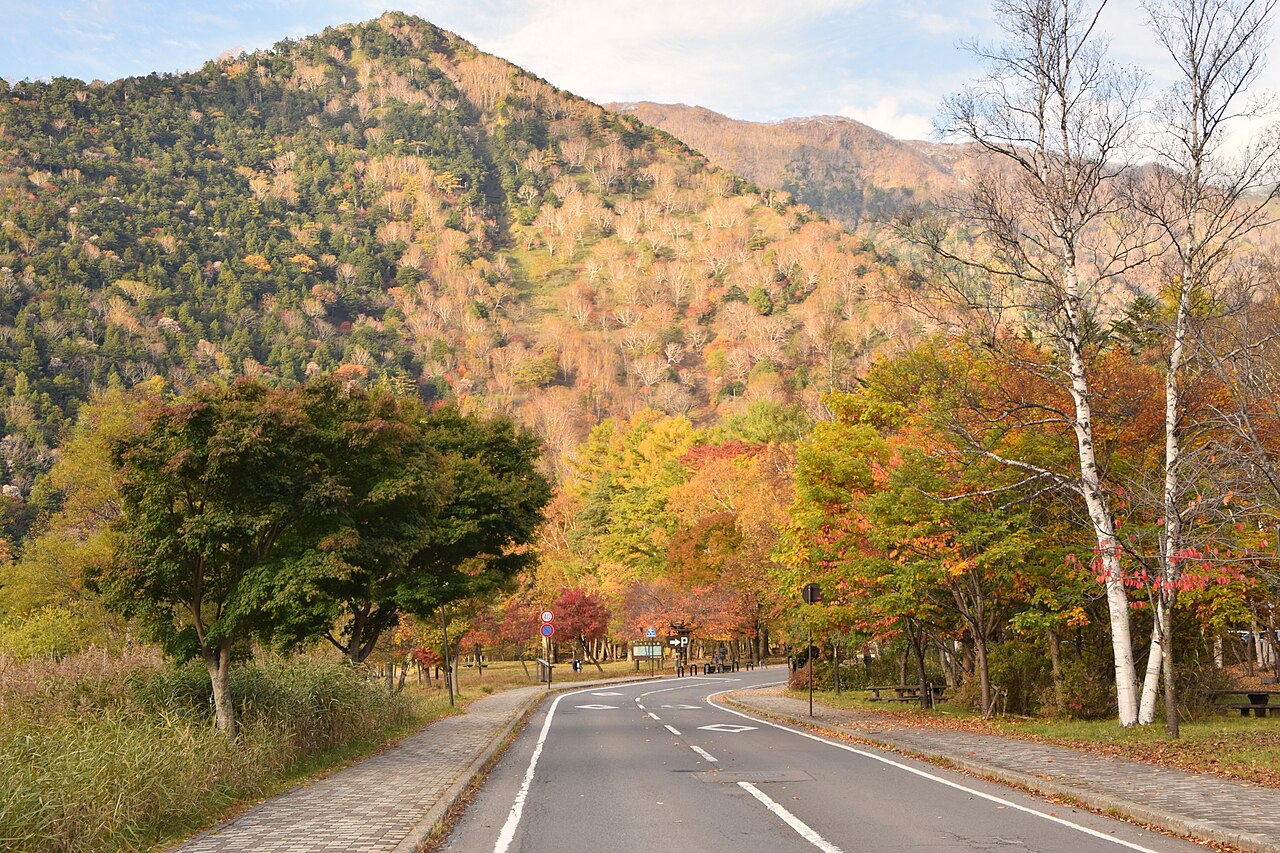
Photo: Raita Futo from Tokyo, Japan / Wikimedia Commons (CC BY 2.0)
Nikko is divided into two main areas. The temple area near the station (Toshogu, Rinno-ji, Shinkyo Bridge) sits at a lower elevation, with leaves peaking around late October to early November. The mountainous Oku-Nikko area—including Lake Chuzenji, Kegon Falls, and the Senjogahara marshland—sits above 1,200 meters, so the colors peak earlier, around mid to late October.
Take the Tobu Limited Express from Asakusa for about 2 hours, then a 45-minute bus ride up to Lake Chuzenji along the winding Irohazaka Slope with its 48 hairpin turns. On autumn weekends, this pass often gets congested, and the bus can take twice as long. Catching the earliest train to head up the mountain first before heading down to the temple area in the afternoon is the best way to beat the crowds. Tobu offers round-trip discount passes that include local buses around Nikko, which are usually cheaper than buying individual tickets.
2. Lake Kawaguchi (Yamanashi): The Maple Corridor Overlooking Mount Fuji
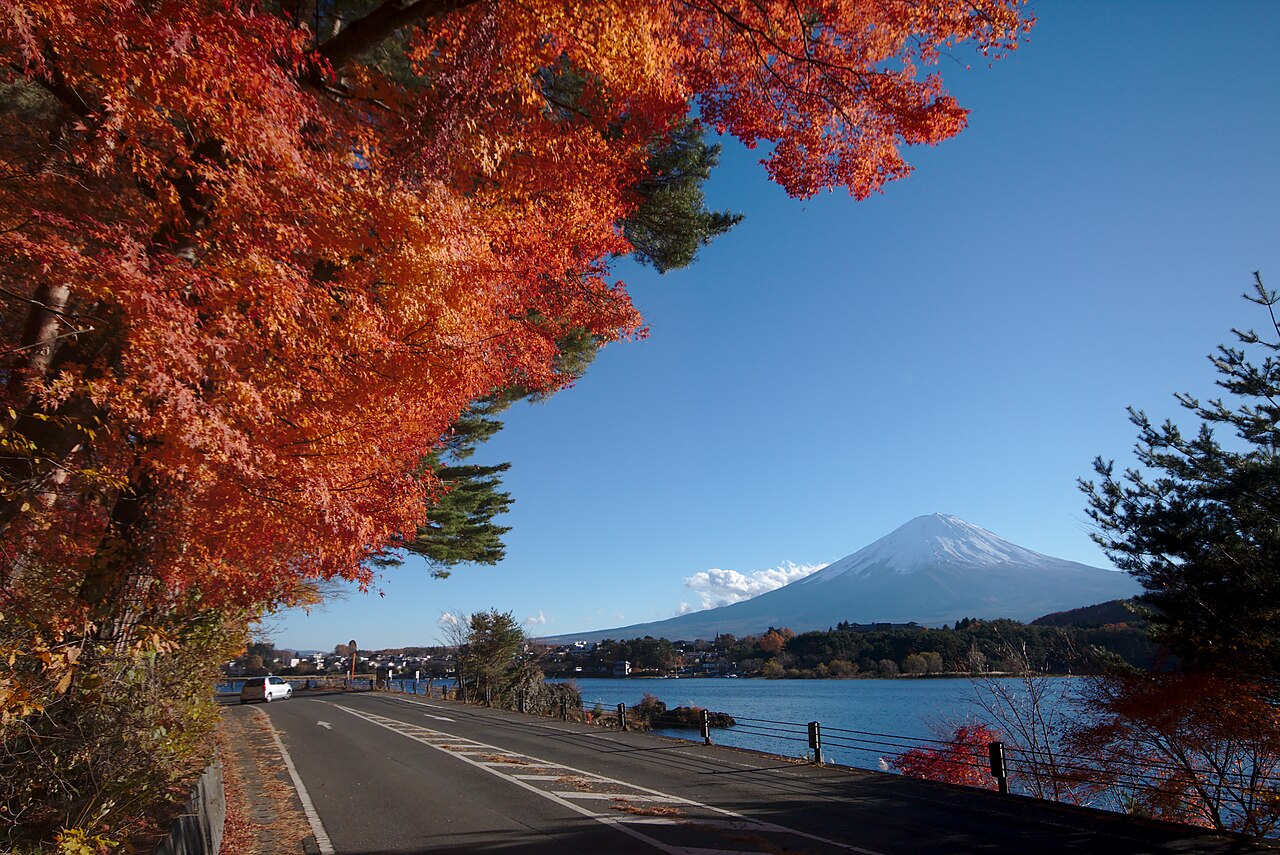
Photo: Fabimaru / Wikimedia Commons (CC BY-SA 4.0)
On the northern shore of Lake Kawaguchi, there is a 150-meter stretch lined with massive maple trees known as the Momiji Kairo (Maple Corridor). From early to mid-November, an autumn foliage festival takes place here with food stalls and evening illuminations. On clear days, you can see Mount Fuji framed behind the canopy of maples, which explains why this spot gets so popular.
Highway buses run from Busta Shinjuku to Kawaguchiko Station in about 2 hours; make sure to reserve your seats online in advance. From the station, take the local sightseeing bus (Omni Bus Red Line) for about 20 minutes to reach the Momiji Kairo. The mountain is usually most visible early in the morning, as clouds tend to roll in after 10:00 AM.
3. Karuizawa (Nagano): Kumoba Pond and Larch Forests
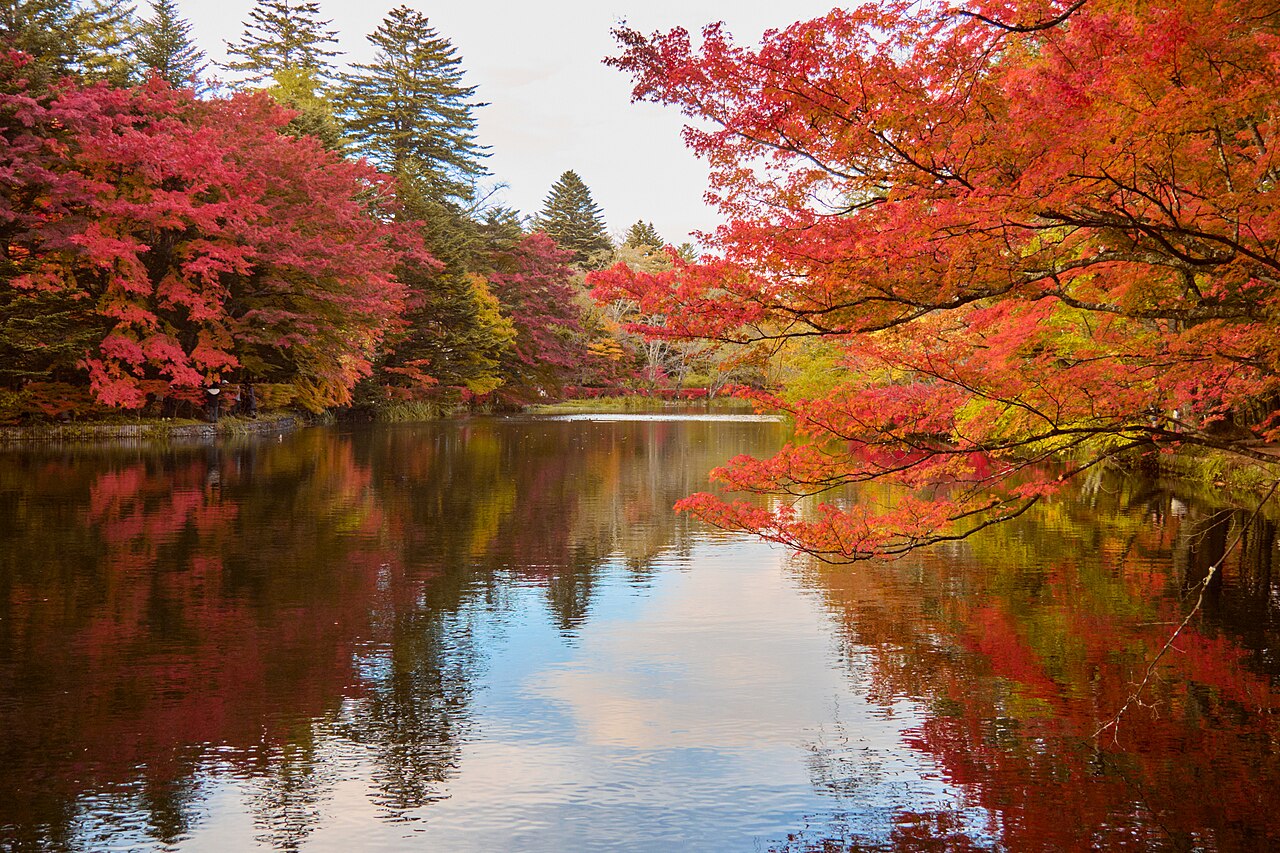
Photo: lumoplank / Wikimedia Commons (CC0)
Karuizawa is the quickest way out of Tokyo to experience alpine autumn scenery, taking just about 1 hour and 10 minutes on the Hokuriku Shinkansen. Kumoba Pond (also nicknamed Swan Lake) features vibrant red maples reflecting off the water's surface, looking its finest around late October to early November. The Japanese larch forests (karamatsu) turn golden slightly later, lasting until mid-November.
From Karuizawa Station, you can rent a bicycle to tour Kyu-Karuizawa, Kumoba Pond, and Saint Paul's Catholic Church. If you have extra time, take a bus up to Shiraito Falls, where spring water cascades over a curved rock face in hundreds of silk-like strands. There is also a massive outlet mall right next to the station, making it easy to fit in some shopping in the afternoon.
4. Nagatoro (Saitama): River Boating Framed by Autumn Colors
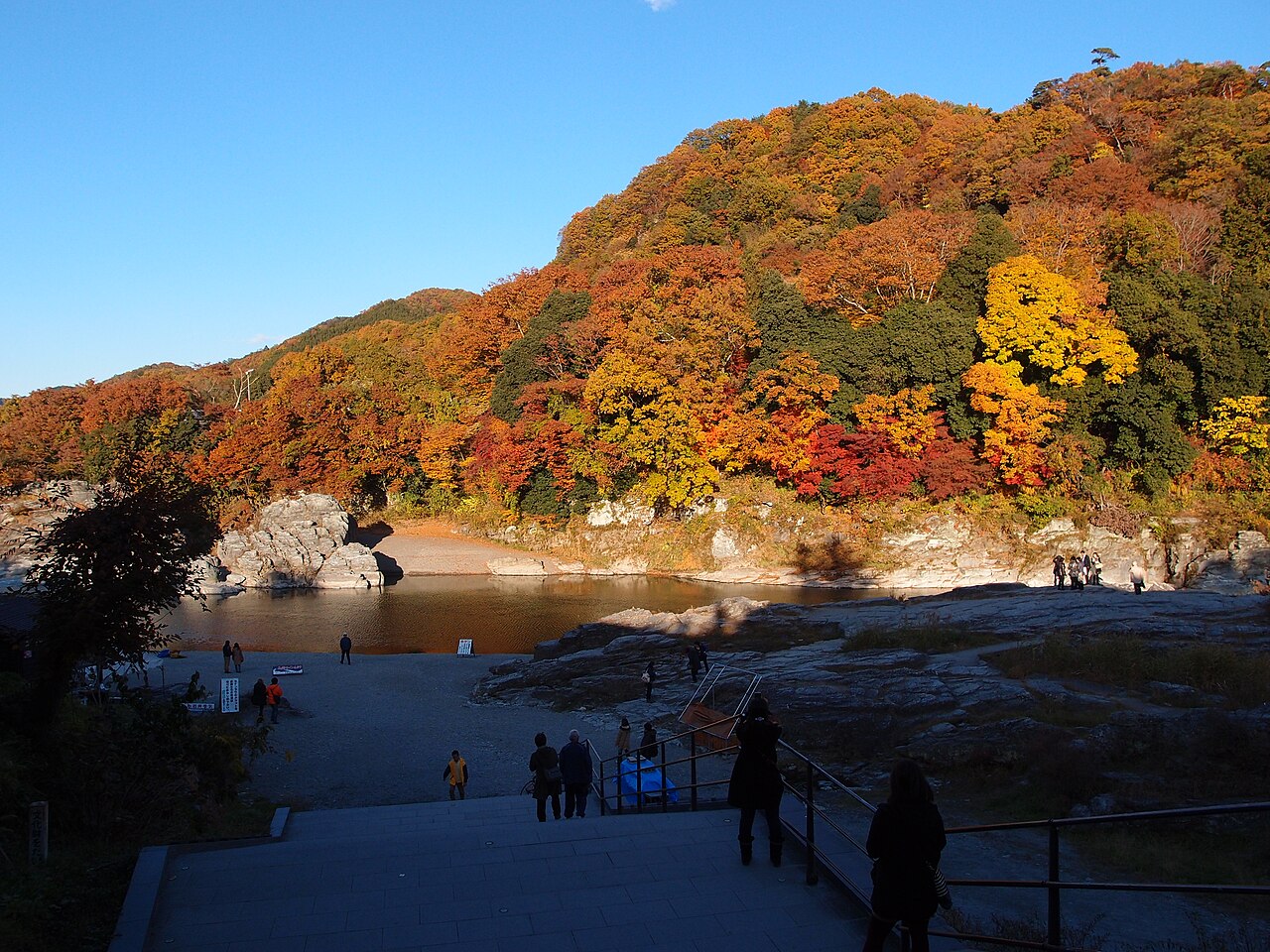
Photo: Guilhem Vellut from Annecy, France / Wikimedia Commons (CC BY 2.0)
Located in the Chichibu region, Nagatoro is famous for its scenic riverbanks with expansive layered rock terraces called Iwadatami. From mid to late November, both sides of the river gorge blaze in red and gold, and you can enjoy a 20-minute traditional wooden boat tour down the river. The nearby Tsuki no Ishi Momiji Park along the riverbank hosts evening illuminations during the foliage season.
Take the Seibu Laview Limited Express from Ikebukuro to Seibu-Chichibu Station (about 80 minutes), walk over to Ohanabatake Station, and transfer to the Chichibu Railway to Nagatoro (about 25 minutes). You can also stop by Chichibu Shrine and local market stalls around the station on your way back.
5. Yoro Valley (Chiba): The Latest Autumn Colors in the Kanto Region
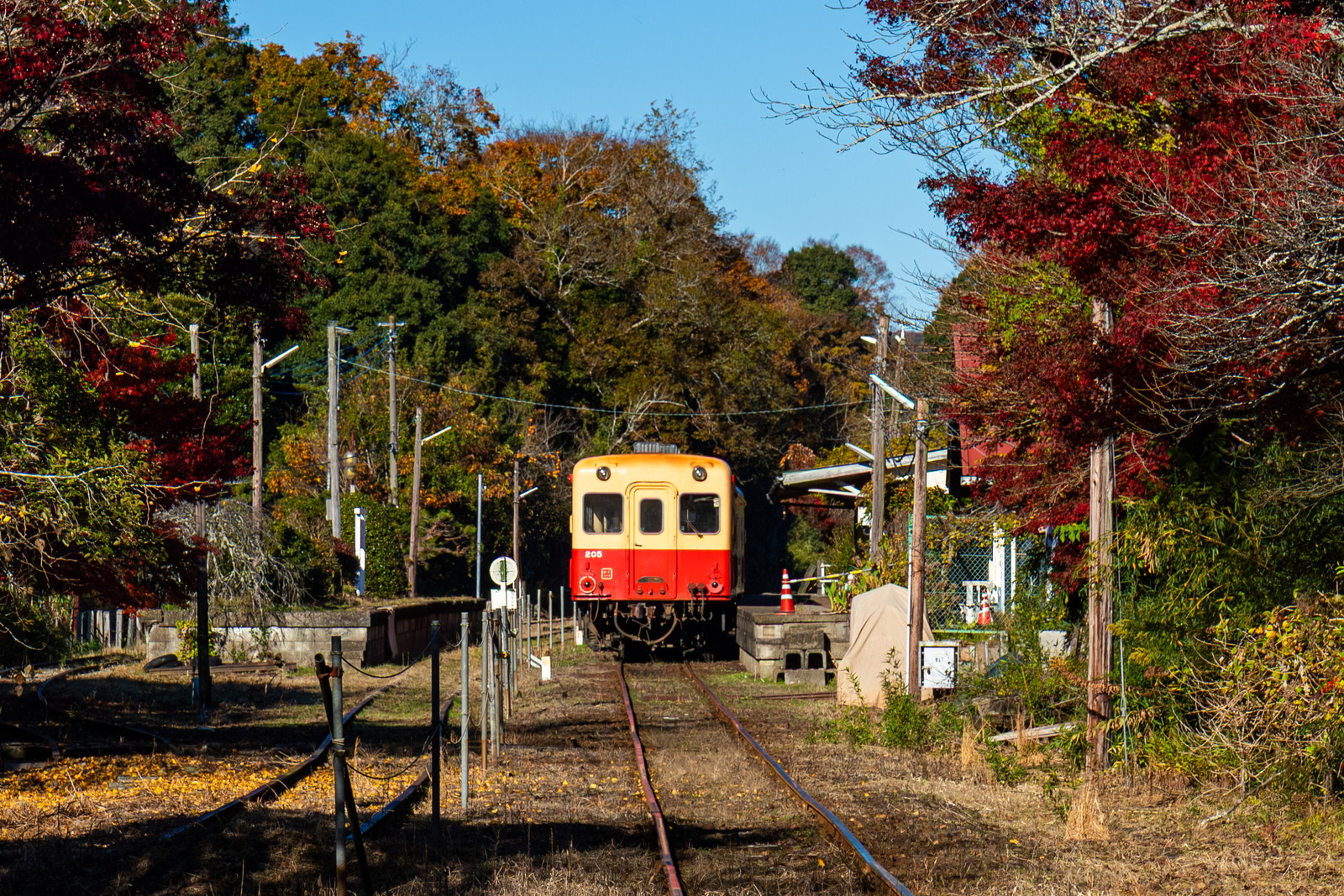
Photo: くろふね / Wikimedia Commons (CC BY 4.0)
Yoro Valley is nestled in the center of the Boso Peninsula. Thanks to its low elevation and mild maritime climate, the autumn foliage arrives late, usually peaking from late November to early December. It makes a fantastic destination when leaves elsewhere have already fallen. Awamata Falls is the largest waterfall in Chiba, and you can stroll along a scenic riverside walking trail for about an hour.
Take a JR train to Goi Station and switch to the Kominato Line—a charming, single-car local train that chugs leisurely through the countryside—arriving at Yorokeikoku Station in around 70 minutes. Trains run infrequently, so check the timetable in advance. Following heavy rains, certain walking paths may be closed, so remember to check announcements from Otaki Town beforehand.
6. Kamakura (Kanagawa): Zen Temples Nestled in Valleys
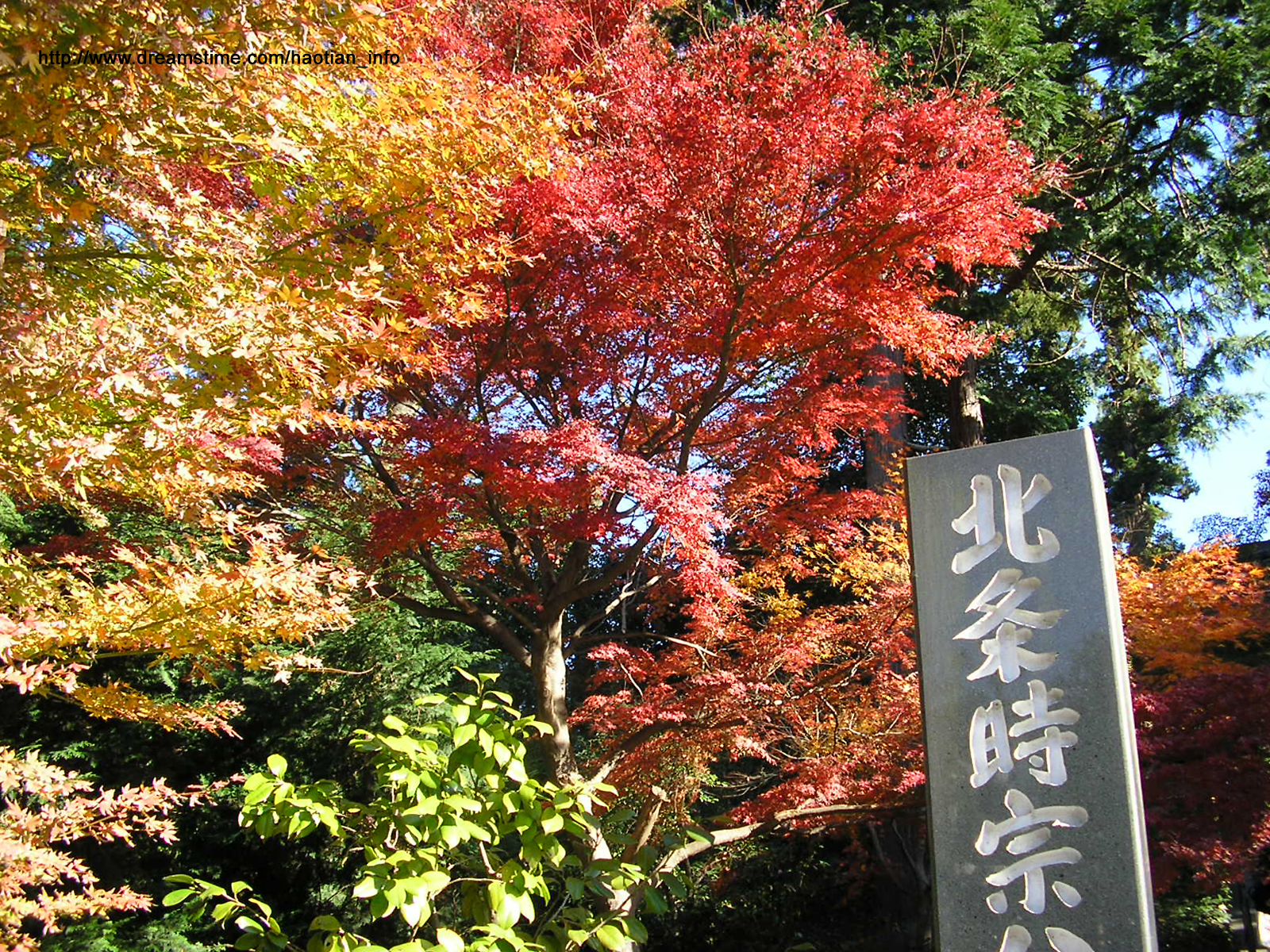
Photo: AudaCity3371 / Wikimedia Commons (CC BY-SA 3.0)
While Kamakura draws huge crowds in spring and summer, late November to early December is when temple foliage is at its finest. Engaku-ji and Kencho-ji in Kita-Kamakura feature spacious temple grounds with stunning maples framing their Sanmon gates. Hokoku-ji boasts a tranquil bamboo grove dotted with maples in the garden corners, and Meigetsu-in features its famous circular window looking out into an inner garden (open to visitors only during peak seasons).
Take the JR Yokosuka Line from Tokyo or Shinagawa Station to Kita-Kamakura Station in about an hour. Walking from Kita-Kamakura to Kamakura Station takes about 30 minutes along the main road, letting you visit historic temples along the way.
7. Shosenkyo Gorge (Yamanashi): Granite Cliffs and Crimson Maples
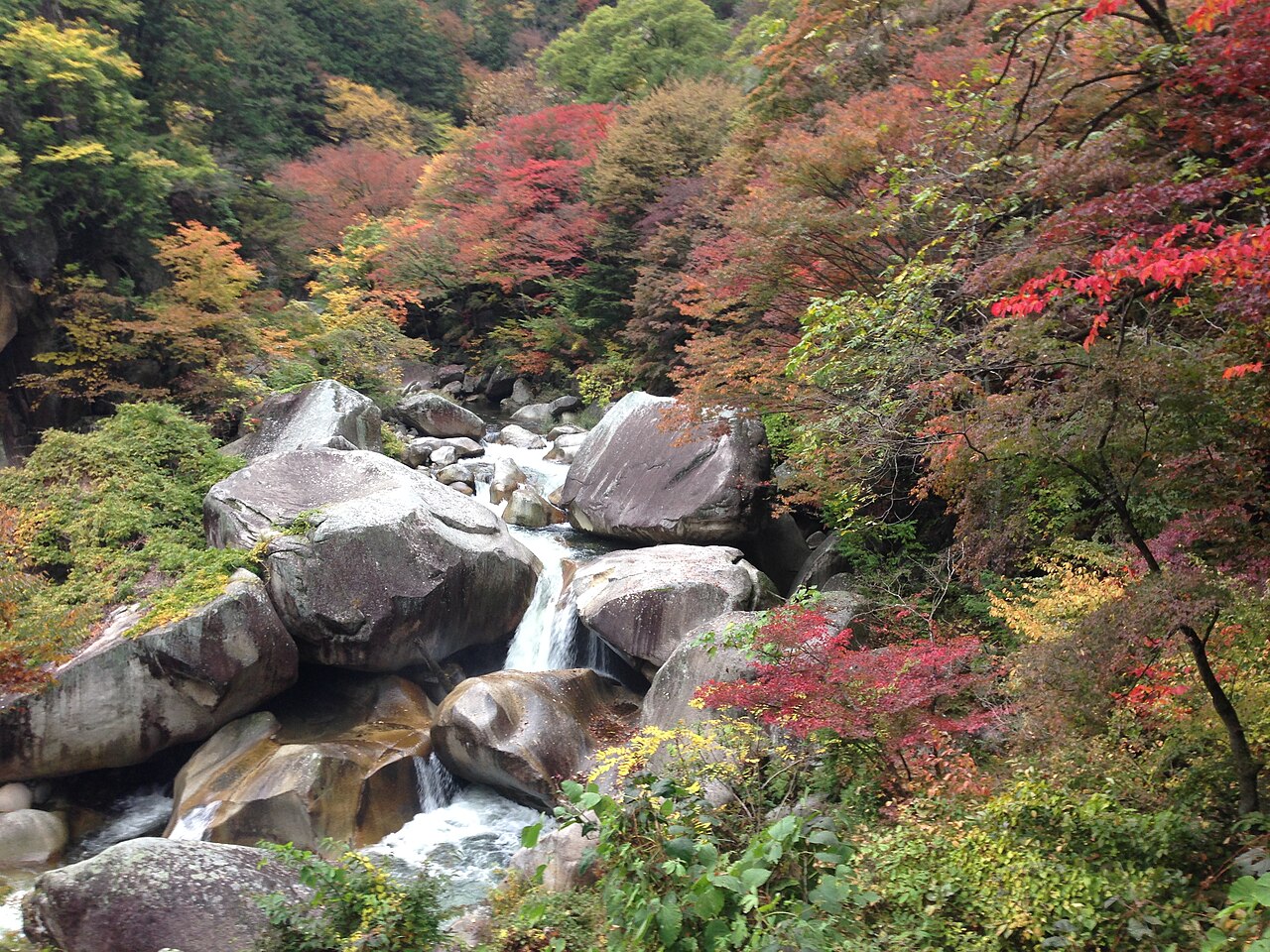
Photo: KOJI MISUMI / Wikimedia Commons (CC BY-SA 3.0)
Shosenkyo Gorge sits north of Kofu City and is known for its dramatic granite cliffs and steep rock faces, most notably the towering 180-meter Kakuenho rock. A scenic hiking trail runs about 4 km along the stream, with both sides turning shades of crimson and gold from early to mid-November.
Take the JR Azusa or Kaiji Limited Express from Shinjuku to Kofu in about 1.5 hours, followed by a 30 to 45-minute bus ride. Autumn buses run relatively infrequently, so make a note of the return bus times. The Kofu area is also famous for grapes and wine, with October and November marking the peak harvest season.
8. Tanigawadake (Gunma): Ropeway Up Rugged Alpine Peaks
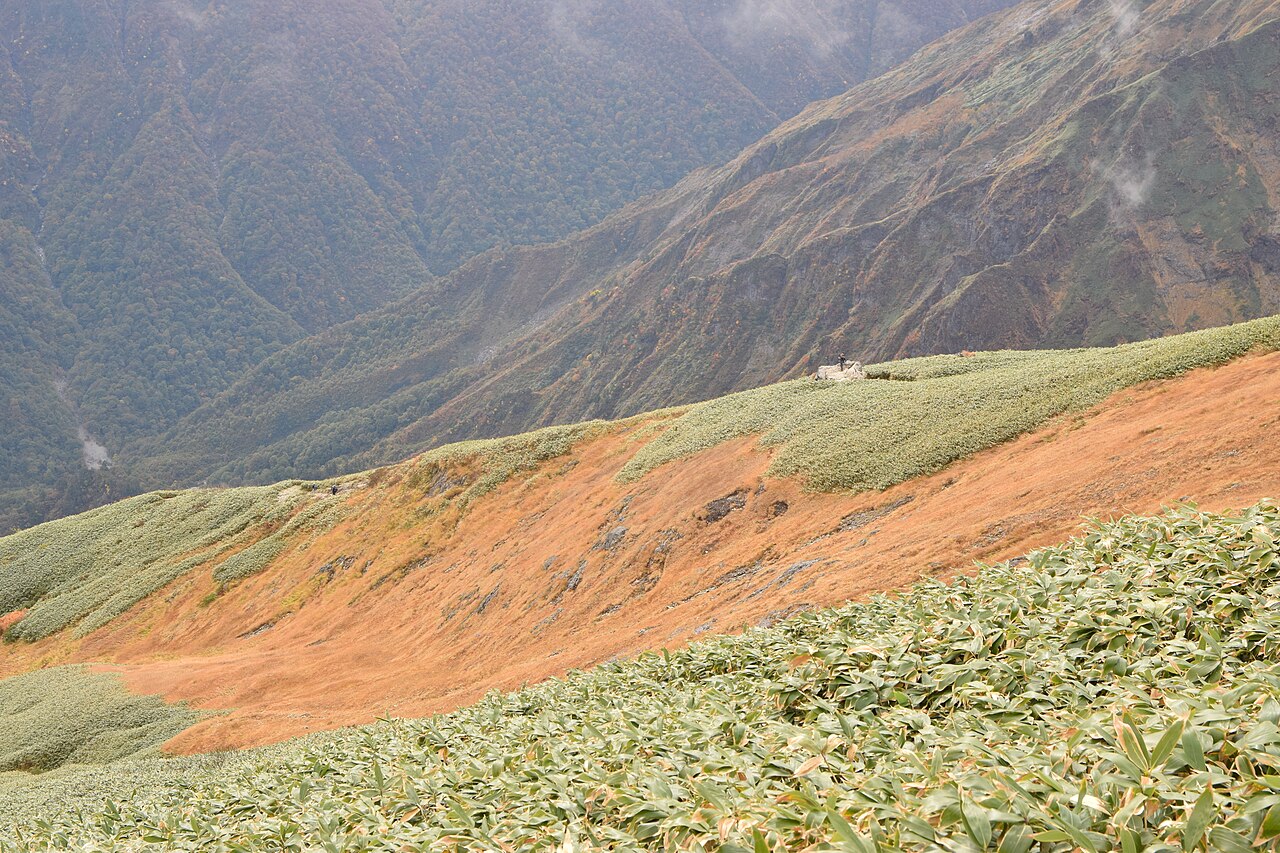
Photo: Raita Futo from Tokyo, Japan / Wikimedia Commons (CC BY 2.0)
Mount Tanigawa is a rugged, rocky mountain straddling the border between Gunma and Niigata prefectures. The Tanigawadake Ropeway whisks you up to an elevation of around 1,300 meters in 15 minutes, offering panoramic views of vibrant mountain slopes changing colors below. Foliage peaks here around mid to late October, significantly earlier than down on the plains.
Take the Joetsu Shinkansen to Jomo-Kogen Station (about 70 minutes), followed by a 50-minute bus ride to the ropeway base station. Temperatures on the mountain can be 8 to 10°C colder than in Tokyo, so pack warm layers even if it still feels warm down below.
9. Mount Tsukuba (Ibaraki): An Easy Hike Overlooking the Kanto Plain
Mount Tsukuba stands at just 877 meters, but because it rises independently from the surrounding plains, clear days reward you with views stretching all the way to Tokyo Skytree and Mount Fuji. The autumn leaves turn from mid to late November. A cable car and a ropeway run nearly to the summit, making it accessible even if you aren't an experienced hiker. During the foliage season, the cable car often features special evening illuminations.
Take the Tsukuba Express from Akihabara to Tsukuba Station (about 45 minutes), then transfer to a direct shuttle bus to the base of the mountain (about 40 minutes). Value passes combining train, bus, and ropeway/cable car fares are available at Tsukuba Express ticket counters.
10. Sankeien Garden (Yokohama): Historic Architecture in a Traditional Japanese Garden
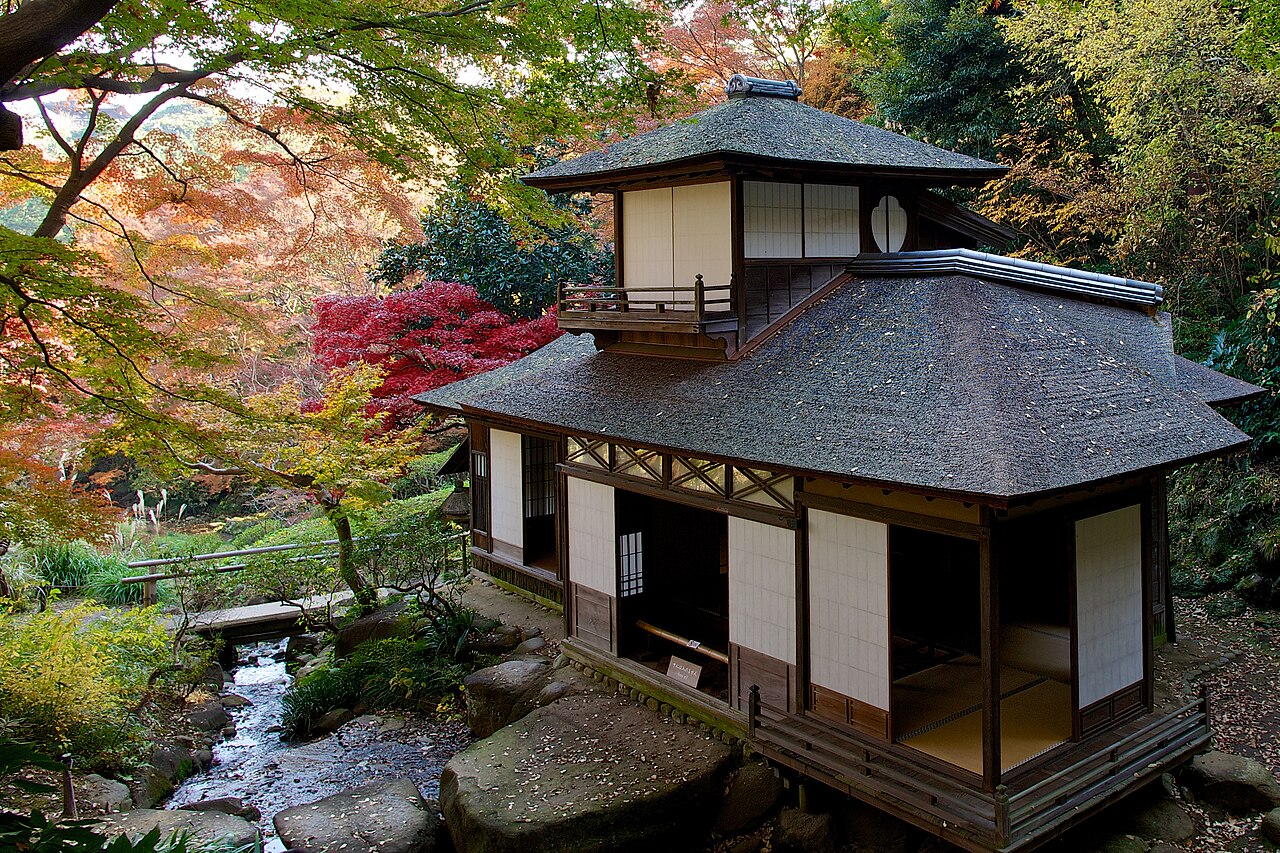
Photo: FoxyStranger Kawasaki / Wikimedia Commons (CC BY-SA 3.0)
Sankeien is an expansive traditional Japanese garden in southern Yokohama featuring historic wooden buildings relocated from Kyoto and other cultural capitals, including a classic three-story pagoda on a hillside. Foliage peaks from late November to early December, and the garden hosts evening light-up events in select years.
Take a bus from Yokohama Station or Negishi Station (about 10 to 35 minutes). Admission is around 900 yen. This spot is great for travelers with elderly family members or young children because the paths are flat with few steep slopes, and it is conveniently close to Yokohama Chinatown for lunch.
Sample One-Day Itinerary: Nikko
- 6:30 AM – 9:00 AM: Tobu train from Asakusa to Tobu-Nikko Station.
- 9:00 AM – 10:00 AM: Bus up to Lake Chuzenji via the Irohazaka Slope.
- 10:00 AM – 12:30 PM: Visit Kegon Falls (take the elevator to the observation platform), stroll along the lake, and enjoy lunch.
- 12:30 PM – 1:30 PM: Bus back down to the heritage temple area.
- 1:30 PM – 4:00 PM: Explore Toshogu Shrine, Rinno-ji, Shinkyo Bridge, and the Kanmangafuchi Abyss if energy allows.
- 4:30 PM: Train back to Tokyo, arriving in Asakusa around 7:00 PM.
Estimated Costs for a Day Trip
| Trip | Round-Trip Transit Fare (Estimate) |
|---|---|
| Kamakura, Sankeien | Approx. 1,000 to 2,000 yen |
| Mount Tsukuba | Approx. 3,000 to 4,500 yen |
| Nagatoro | Approx. 3,500 to 4,500 yen |
| Kawaguchiko (Highway Bus) | Approx. 4,000 to 5,000 yen |
| Yoro Valley | Approx. 4,000 to 5,000 yen |
| Nikko (Tobu Round-Trip Pass with Bus) | Approx. 5,000 to 8,000 yen |
| Shosenkyo | Approx. 6,000 to 9,000 yen |
| Karuizawa (Shinkansen) | Approx. 11,000 to 12,000 yen |
| Tanigawadake (Shinkansen and Ropeway) | Approx. 13,000 to 15,000 yen |
Add roughly 2,000 to 4,000 yen for food and drinks, plus admission tickets or ropeway fees where applicable. If you're on a budget, Kamakura, Sankeien, and Nagatoro are the three most affordable trips on the list.
What to Prepare
- A fully topped-up IC card for trains and local buses. Some rural mountain buses accept cash only.
- A light jacket and gloves if heading into the mountains (Nikko, Tanigawadake, Karuizawa). Morning temperatures can drop below 5°C.
- Shoes with good grip for damp riverside trails and wet stone steps.
- Advance highway bus reservations for Kawaguchiko, as seats regularly sell out on autumn weekends.
- A reliable mobile data connection and a power bank to check transit timetables, access maps, and monitor live foliage cameras at viewing spots.
Common Mistakes to Avoid
- Starting too late. Leaving on a 9:00 or 10:00 AM train means arriving around midday and heading straight into return traffic. Aim to board your train before 7:30 AM.
- Relying on Tokyo's foliage calendar for mountain trips. Places like Oku-Nikko or Tanigawadake peak a full month earlier than central Tokyo.
- Missing the last bus. Buses around Shosenkyo, Tanigawadake, and Yoro Valley run infrequently and stop early in the evening.
- Taking the Enoden line on a Saturday in Kamakura. Kamakura Station and the Enoden line get notoriously packed. During peak foliage, exploring the Kita-Kamakura area on foot is far more relaxed.
Frequently Asked Questions
What is the closest autumn foliage spot to Tokyo?
Kamakura and Sankeien in Yokohama take only about an hour. If you want true alpine scenery, Karuizawa is the fastest to reach thanks to the Shinkansen, clocking in at around 1 hour and 10 minutes.
Do I need to reserve train tickets in advance for Nikko?
Limited Express Tobu trains (Spacia X, Revaty) should be reserved in advance for peak autumn weekends. If you take regular commuter trains, no reservation is needed, but the trip takes an extra 30 to 40 minutes and requires transfers.
How different are weekdays compared to weekends?
Significantly different. In places like Nikko and Kawaguchiko, visiting on a weekday means faster travel, far less traffic congestion, and shorter queues. If you can take a day off during the week in mid-November, that is your best bet.
Where should I go if it rains?
Maple leaves often look richer and more vivid after rain, and popular sights will be less crowded. Kamakura and Sankeien are perfectly enjoyable in light rain. However, avoid riverside trails like Yoro Valley and Shosenkyo during heavy rainfall.
Where can I check daily foliage updates?
Websites like tenki.jp and Walker Plus provide real-time color status updates for every destination. Official tourism portals for Nikko, Karuizawa, and Fujikawaguchiko also publish weekly photo updates during the autumn season.
Sources & References
- Japan National Tourism Organization (JNTO): japan.travel
- Official tourism websites of Nikko, Karuizawa, Fujikawaguchiko Town, and Kamakura
- Tobu Railway, Seibu Railway, JR East: train and ticketing information
- Autumn foliage forecasts and reports: tenki.jp, Walker Plus (koyo)
Cover photo: Alpsdake / Wikimedia Commons (CC BY-SA 4.0)
Source Verification Date
The information in this article was verified in September 2026. Fares, train schedules, and festival dates are subject to seasonal changes; please verify details on official websites before traveling.
Stay Seamlessly Connected on Your Day Trips
When riding trains into the countryside or hiking up mountains, you'll need reliable internet to check bus schedules, adjust plans if weather shifts, and share photos with friends and family. HD TELECOM provides data SIMs, eSIMs, and Pocket WiFi devices tailored for foreigners and tourists in Japan, backed by dedicated Vietnamese customer support. Check out our monthly eSIM plans, data SIM plans, or contact our support team today.
Related products
Find your plan with HD TELECOM
SIM, eSIM and Pocket WiFi — genuine quality, clear pricing, 24/7 support.
Autumn Foliage Onsen in Japan: Top 10 Hot Springs for Fall Foliage
Kyoto Autumn Foliage: 10 Must-Visit Spots and How to Avoid the Crowds
Autumn Foliage in Osaka & Nara: 10 Best Spots for Red and Yellow Leaves (with Access Guide)

Japan travel 5–14 days: Where to buy travel eSIM, how to use it, how much does it cost?