

Autumn Foliage Onsen in Japan: Top 10 Hot Springs for Fall Foliage
October 1, 2026
Quick Answer
Autumn foliage season in hot spring areas runs from early October in Hokkaido and the mountainous Tohoku region to early December in Izu, Kansai, and Kyushu. From Tokyo, Hakone, Kinugawa, and Kusatsu are the most convenient choices for a day trip or an overnight stay. For a classic, historic Japanese atmosphere, Ginzan (Yamagata) and Nyuto (Akita) are top destinations, though early booking is essential. In western Japan, Arima is easily accessible from Osaka and Kobe, while Kurokawa in Kumamoto is a highly popular mountain hot spring village among locals.
Who This Guide Is For
Vietnamese residents in Japan looking for an autumn weekend getaway that combines leaf-peeping with hot spring relaxation, as well as tourists wanting to add a ryokan stay to their itinerary. This guide highlights 10 selected hot spring areas from north to south, detailing peak foliage timing and transport options for each.
When This Guide May Not Be Right for You
- You have large tattoos and wish to use public baths: many venues still restrict guests with tattoos. See the tips section below for workarounds.
- You are only free mid-November weekend and haven't booked yet: ryokan in popular areas often sell out 2 to 3 months in advance.
- You don't drive and want to visit deep mountain areas: some locations have only a few bus runs per day.
Peak Autumn Leaves Timeline at Onsen Towns
Because most hot spring towns are nestled in the mountains, foliage turns color 2 to 4 weeks earlier than in nearby cities. Here is a quick reference guide:
| Onsen Area | Prefecture | Peak Foliage (Estimated) |
|---|---|---|
| Jozankei | Hokkaido | Early to mid-October |
| Nyuto | Akita | Mid to late October |
| Kusatsu | Gunma | Mid to late October |
| Ginzan | Yamagata | Late October to early November |
| Naruko | Miyagi | Late October to early November |
| Kinugawa | Tochigi | Late October to mid-November |
| Hakone | Kanagawa | Early November to early December (varies by elevation) |
| Kurokawa | Kumamoto | Early to late November |
| Arima | Hyogo | Mid to late November |
| Shuzenji | Shizuoka | Late November to early December |
Top 10 Hot Spring Spots for Autumn Foliage
1. Hakone (Kanagawa): Closest to Tokyo, Most Versatile Options
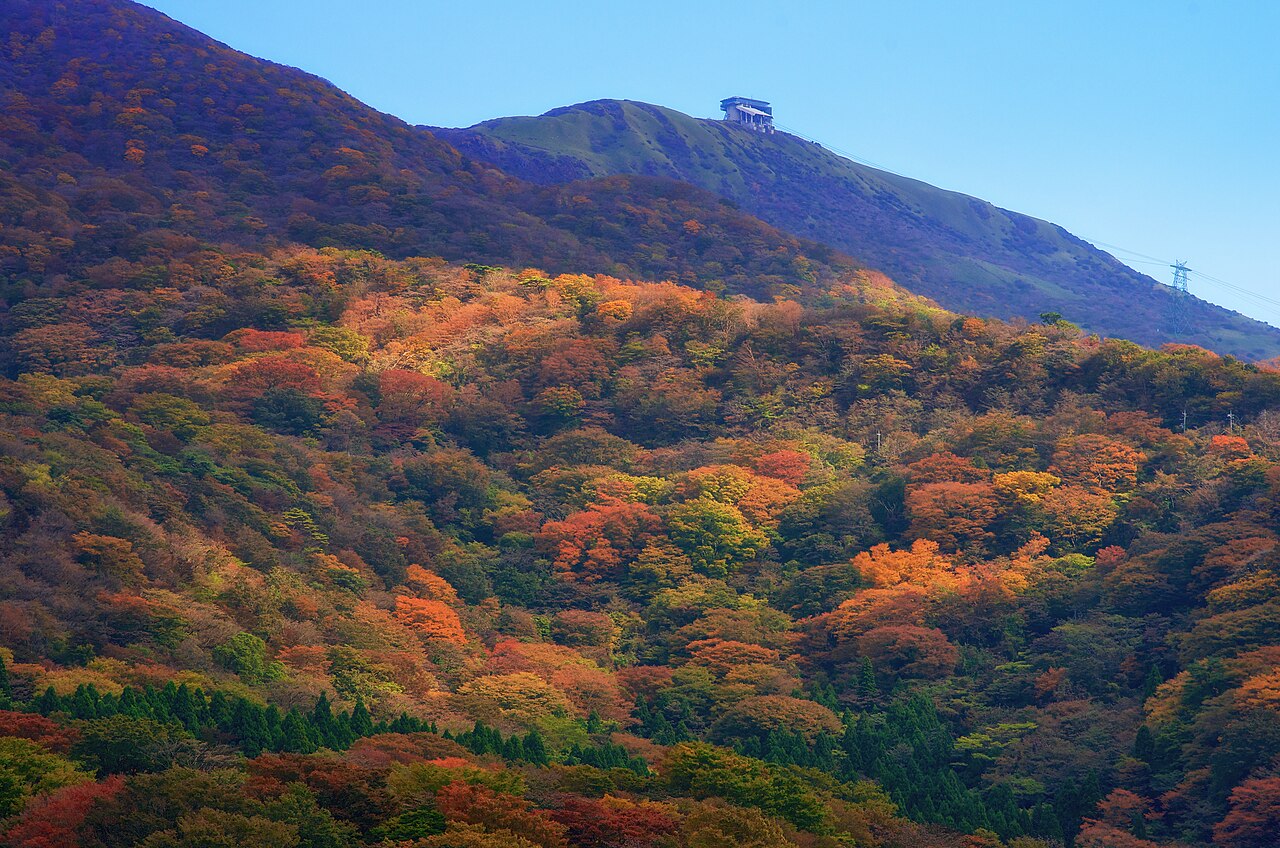
Photo: FoxyStranger Kawasaki / Wikimedia Commons (CC BY-SA 3.0)
Just about 85 minutes from Shinjuku Station via the Odakyu Romancecar, you will arrive at Hakone-Yumoto. Because Mount Hakone ranges from a few hundred meters to over 1,000 meters above sea level, the leaves change color progressively from top to bottom: the Lake Ashi and Sengokuhara areas peak in early November, while lower elevations like Yumoto and Tonosawa change later, sometimes stretching into early December.
Popular viewing spots include the Hakone Gora Park, the Hakone Tozan Railway (a scenic zig-zagging train winding through mountain forests), and the Hakone Open-Air Museum area. In October and early November, the pampas grass fields at Sengokuhara transform into a shimmering golden sea, offering a striking contrast to traditional red maple foliage.
Day-use bathing options around Yumoto are plentiful, ranging from 1,000 to 2,500 yen. The Odakyu Hakone Freepass covers round-trip train travel from Shinjuku as well as most trains, buses, cable cars, ropeways, and sightseeing cruises within Hakone—making it much cheaper than purchasing individual tickets for a 2-day trip.
2. Kinugawa and Nikko Yumoto (Tochigi): River Valleys and Mountain Lakes
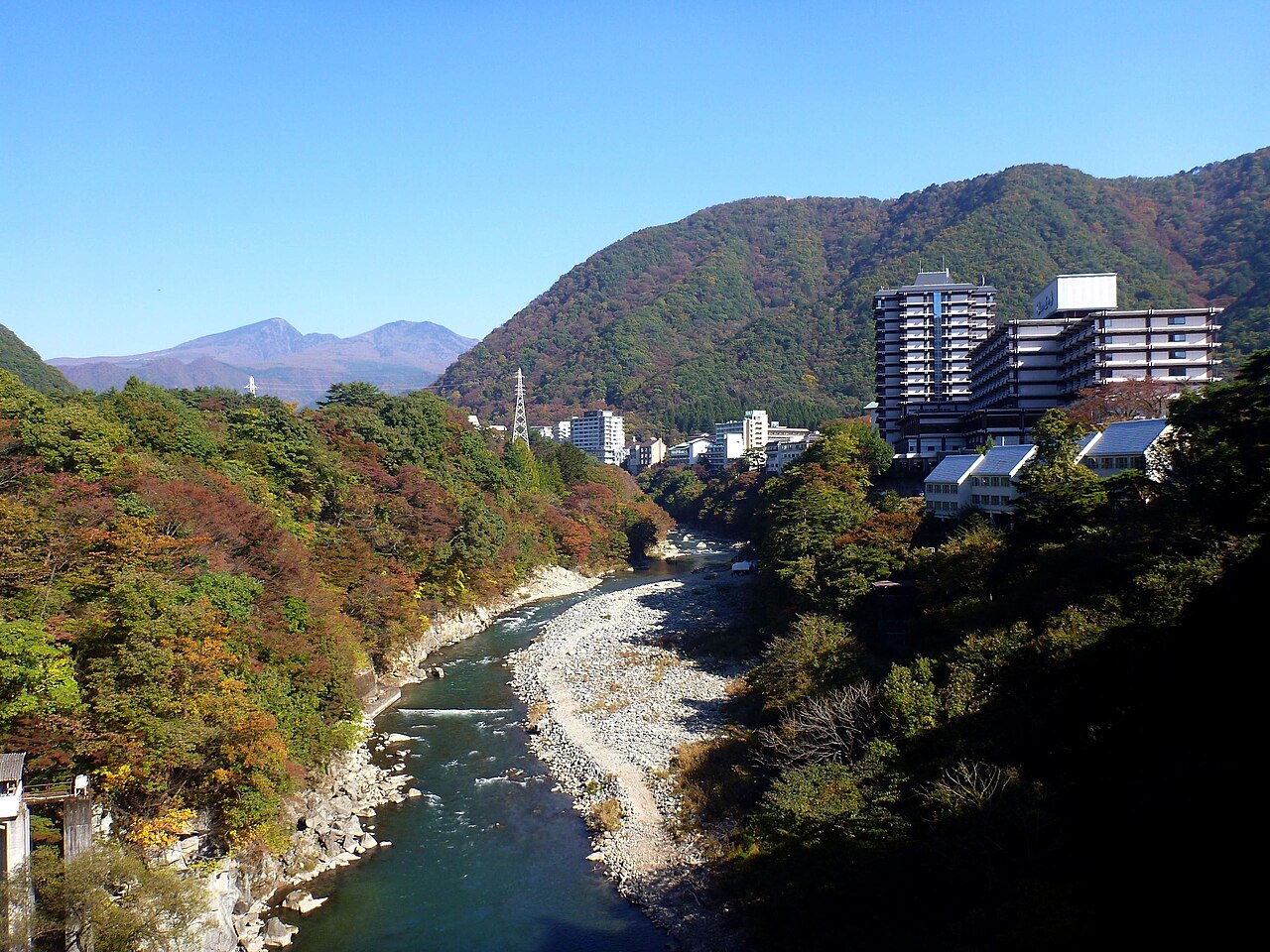
Photo: Kzaral / Wikimedia Commons (CC BY 2.0)
Kinugawa is a major resort town set along the cliffs of the Kinu River, about 2 hours from Asakusa on the Tobu Limited Express. Many hotel baths overlook the dramatic gorge. From late October to mid-November, the nearby Ryuokyo Canyon upstream features stunning rock formations framed by brilliant fall leaves, with an easy 1-hour hiking trail in the area.
For an earlier autumn experience, head up to Nikko Yumoto near Lake Yunoko at an altitude of nearly 1,500 meters, where the leaves peak from early to mid-October. The thermal waters in Yumoto are milky-white with a characteristic sulfur aroma. This spot can easily be combined with the scenic Irohazaka Winding Road and Kegon Falls in a single trip.
3. Kusatsu (Gunma): Steaming Hot Spring Fields in Town Center
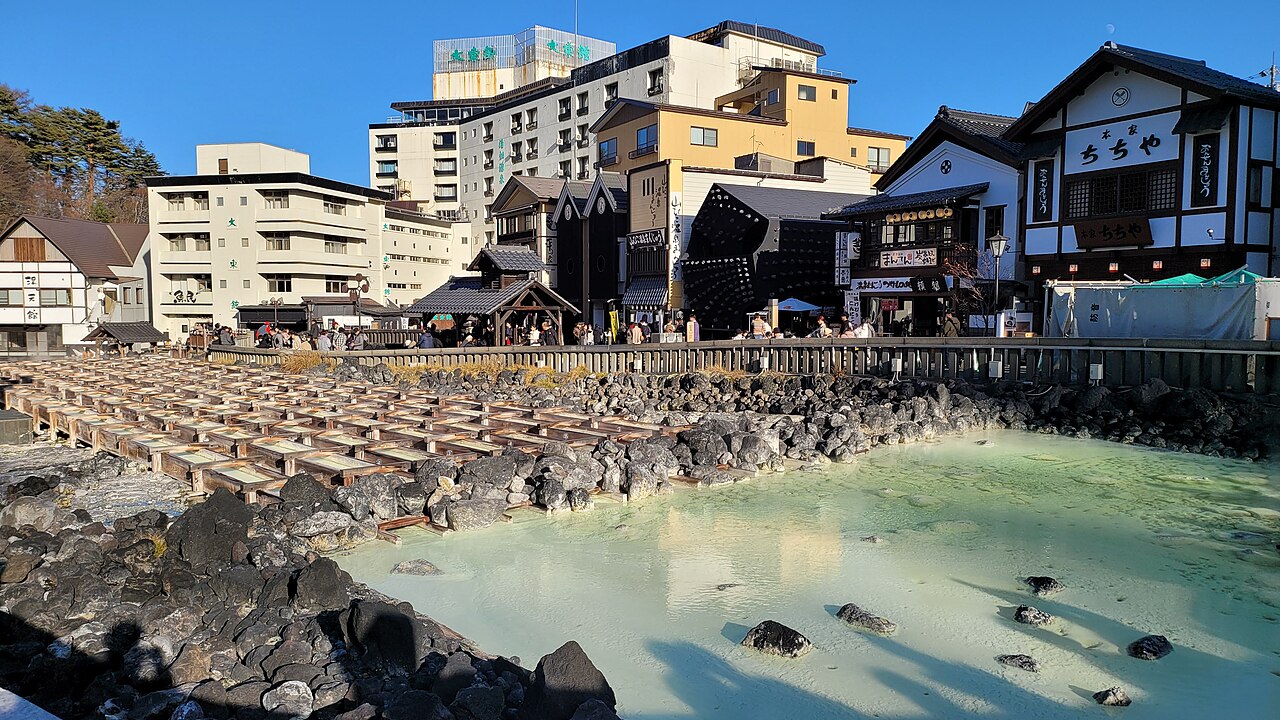
Photo: Aspere / Wikimedia Commons (CC0)
Kusatsu is one of Japan’s most famous hot spring destinations, boasting the country's highest natural spring water flow. At the center of town lies the Yubatake, an open-air wooden chute system that cools the steaming thermal water, beautifully illuminated at night. To the west, Sai-no-kawara Park features a warm hot spring stream flowing through a forest, where colorful foliage peaks from mid to late October alongside a massive open-air bath.
Access: Direct highway buses from Shinjuku take around 4 hours, or you can take a JR train to Naganohara-Kusatsuguchi Station followed by a 25-minute bus ride. Kusatsu’s thermal waters are highly acidic, so those with sensitive skin should keep bath sessions brief and rinse off with fresh water afterward.
4. Ginzan (Yamagata): Nostalgic Wooden Inns Along a Stream
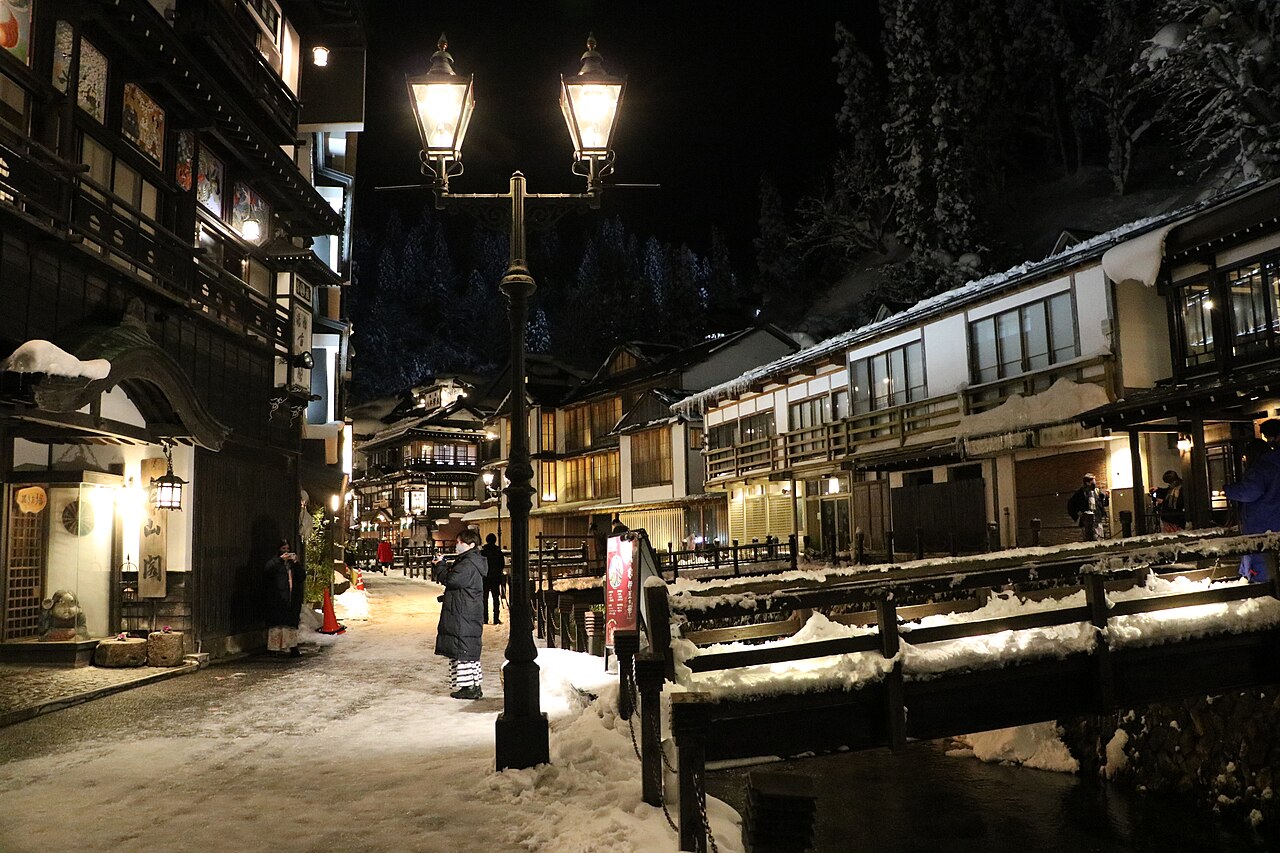
Photo: さかおり / Wikimedia Commons (CC BY-SA 4.0)
Ginzan Onsen is a picturesque street lined with multi-tiered wooden ryokan built during the Taisho era along a quiet river, softly lit by gas lamps in the evening. While famous worldwide for its winter snowscapes, autumn—from late October to early November—brings vibrant fall colors to the surrounding mountains with far fewer crowds.
Since the village consists of only about a dozen inns, overnight stays require booking well in advance. Many travelers choose to visit in the afternoon to stroll, dine, and enjoy the public baths before staying in a neighboring area. In recent years, local authorities have implemented day-time traffic controls and evening visitor limits during peak seasons, so checking official announcements beforehand is advised.
Access: Take the Yamagata Shinkansen to Oishida Station, followed by a 40-minute local bus ride.
5. Nyuto (Akita): Seven Remote Inns Set in Beech Forests
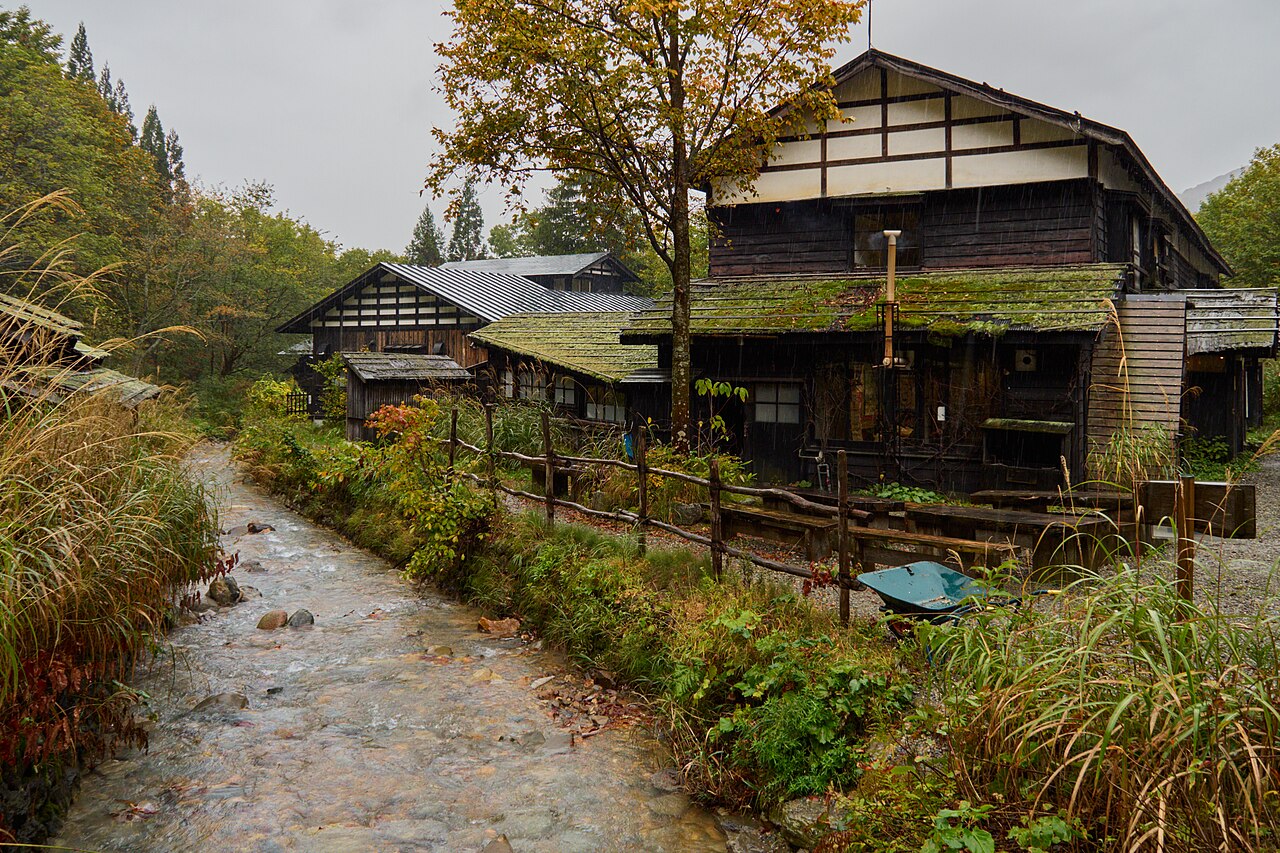
Photo: lumoplank / Wikimedia Commons (CC0)
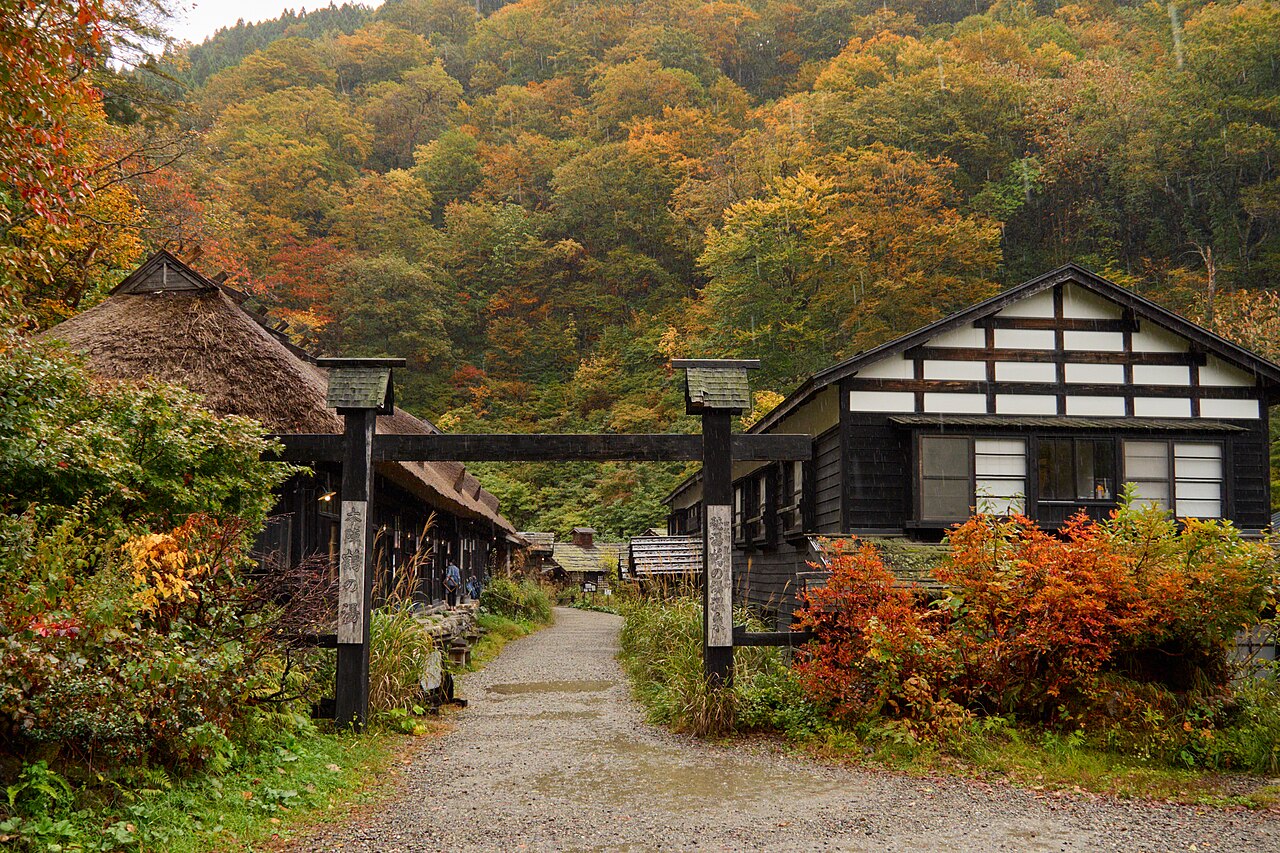
Nyuto Onsenkyo is a cluster of seven rustic hot spring inns tucked away in the beech forests at the foot of Mount Nyuto, near Lake Tazawa. The most legendary is Tsurunoyu, famous for its thatched-roof buildings and milky-white outdoor baths. Foliage here peaks from mid to late October, with beech leaves turning rich golden-orange shades that differ from the brilliant red maples found further south.
Overnight guests can purchase a "Yumeguri-cho" pass to access the baths at all seven participating inns, connected by a dedicated shuttle bus. Access: Take the Akita Shinkansen to Tazawako Station, followed by a 50-minute local bus ride.
6. Naruko (Miyagi): Dramatic Gorge and Iconic Railway Views
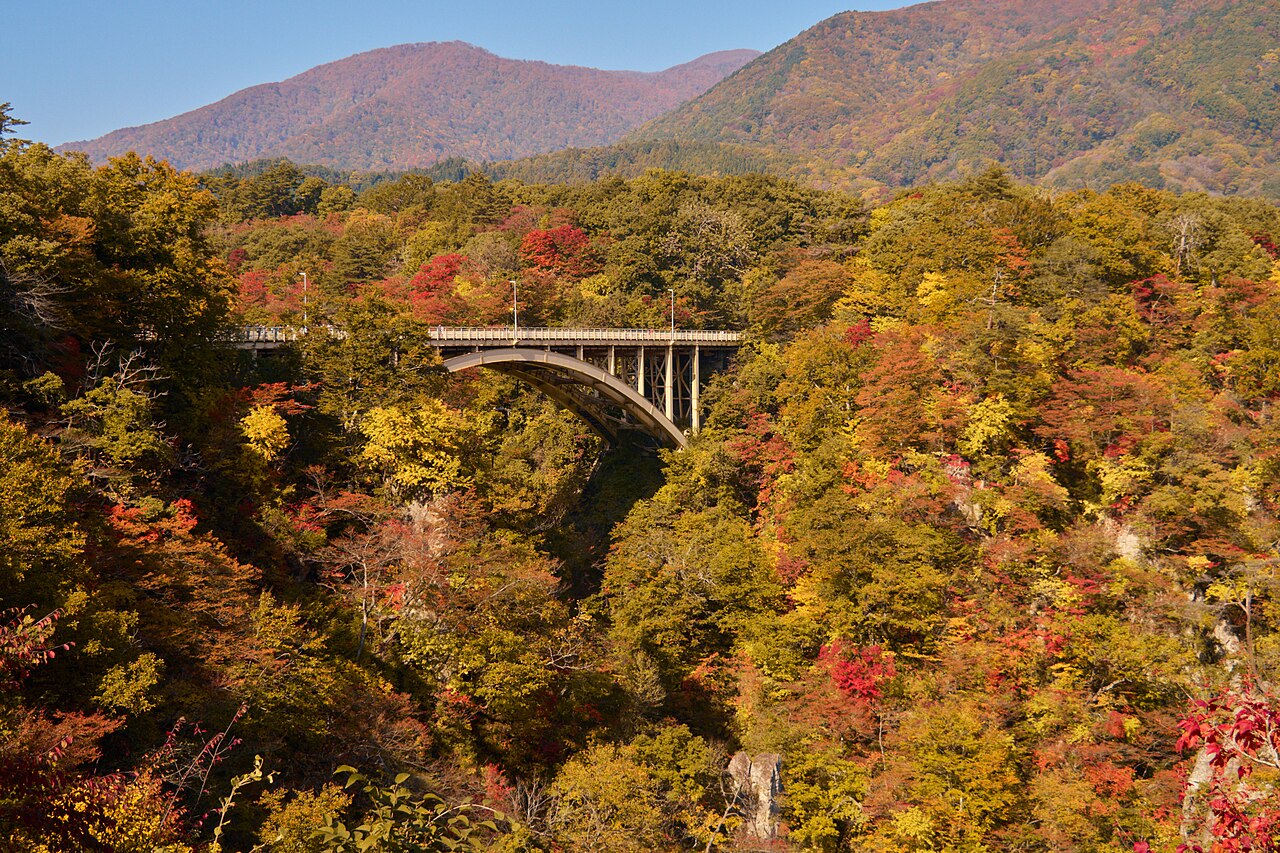
Photo: lumoplank / Wikimedia Commons (CC0)
Naruko Gorge, located right beside the hot spring village, is one of the Tohoku region’s premier autumn leaf destinations. From the Ofukazawa Bridge observation platform, visitors can capture stunning photos of the JR Rikuu East Line train emerging from a tunnel amidst walls of vibrant foliage. Peak colors usually occur between late October and early November.
Naruko boasts a rich variety of mineral water types within a single area, along with Takinoyu, a historic and affordable wooden public bathhouse. Access: Take the Shinkansen to Furukawa Station, then transfer to the JR Rikuu East Line for about 45 minutes.
7. Kurokawa (Kumamoto): A Mountain Village Near Mount Aso
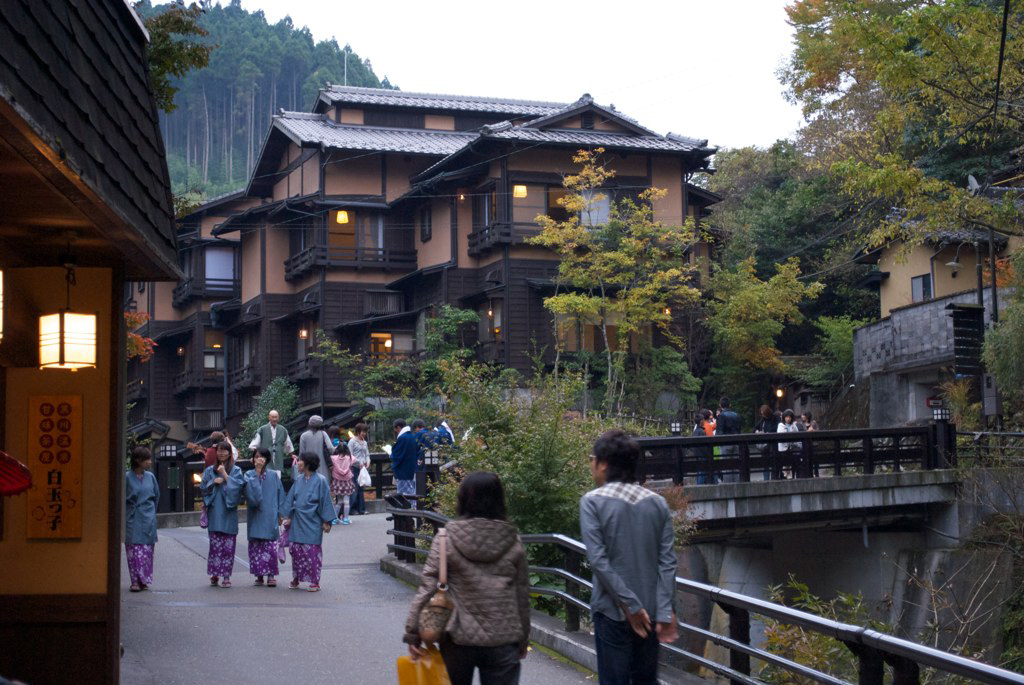
Photo: hiroooooki from Tokyo, Japan / Wikimedia Commons (CC BY 2.0)
Kurokawa is a charming, secluded hot spring village nestled in a valley, where nearly 30 traditional inns maintain unified wooden architecture and earth-toned walls free of neon billboards. The wooden "Nyuto Tegata" pass allows visitors to try outdoor baths at three participating inns of their choice for about 1,300 to 1,500 yen, valid for several months. Peak autumn colors arrive from early to late November.
Highway buses run from Fukuoka (Hakata) or Kumamoto City, taking around 2.5 to 3 hours. If driving a rental car, this destination pairs perfectly with Mount Aso scenic routes and Nabegataki Falls.
8. Arima (Hyogo): Japan’s Oldest Onsen, Near Osaka and Kobe
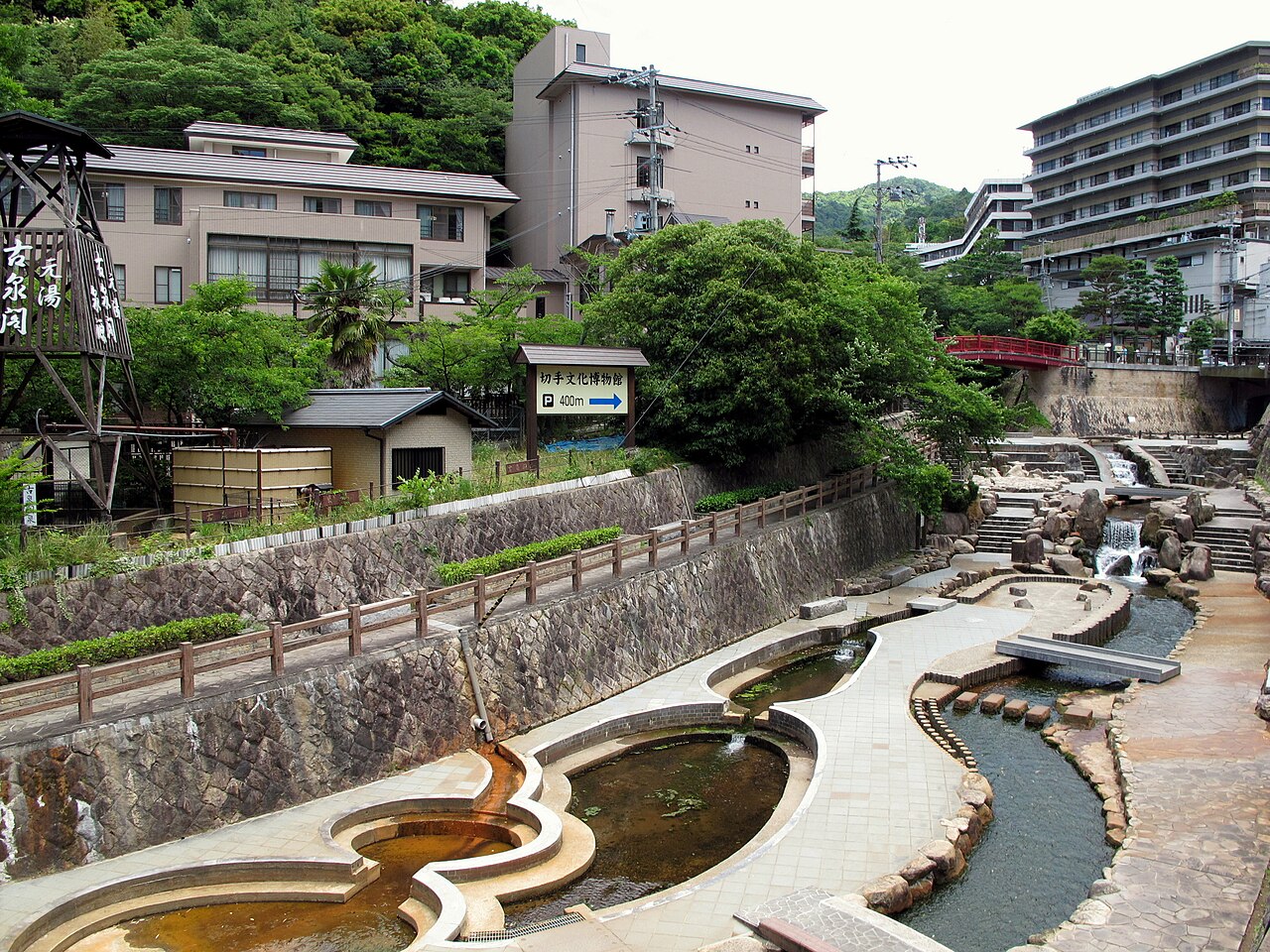
Photo: Wpcpey / Wikimedia Commons (CC BY-SA 4.0)
Located on the northern side of Mount Rokko, Arima Onsen is easily reached in 30 minutes from Kobe or about an hour from Osaka. The town features signature reddish-brown, iron-rich "Kinsen" (Gold Spring) waters and clear "Ginsen" (Silver Spring) waters. Public bathhouses like Kin no Yu and Gin no Yu cost around 650 to 800 yen, making them ideal for day trips.
During autumn, Zuiho-ji Park (Zuihoji Koen) in the upper section of town serves as the primary maple-viewing spot, peaking from mid to late November. Travelers can take the Rokko-Arima Ropeway to admire sweeping views of autumn forests from above before descending into town for a relaxing soak.
9. Jozankei (Hokkaido): Early Autumn Spectrum
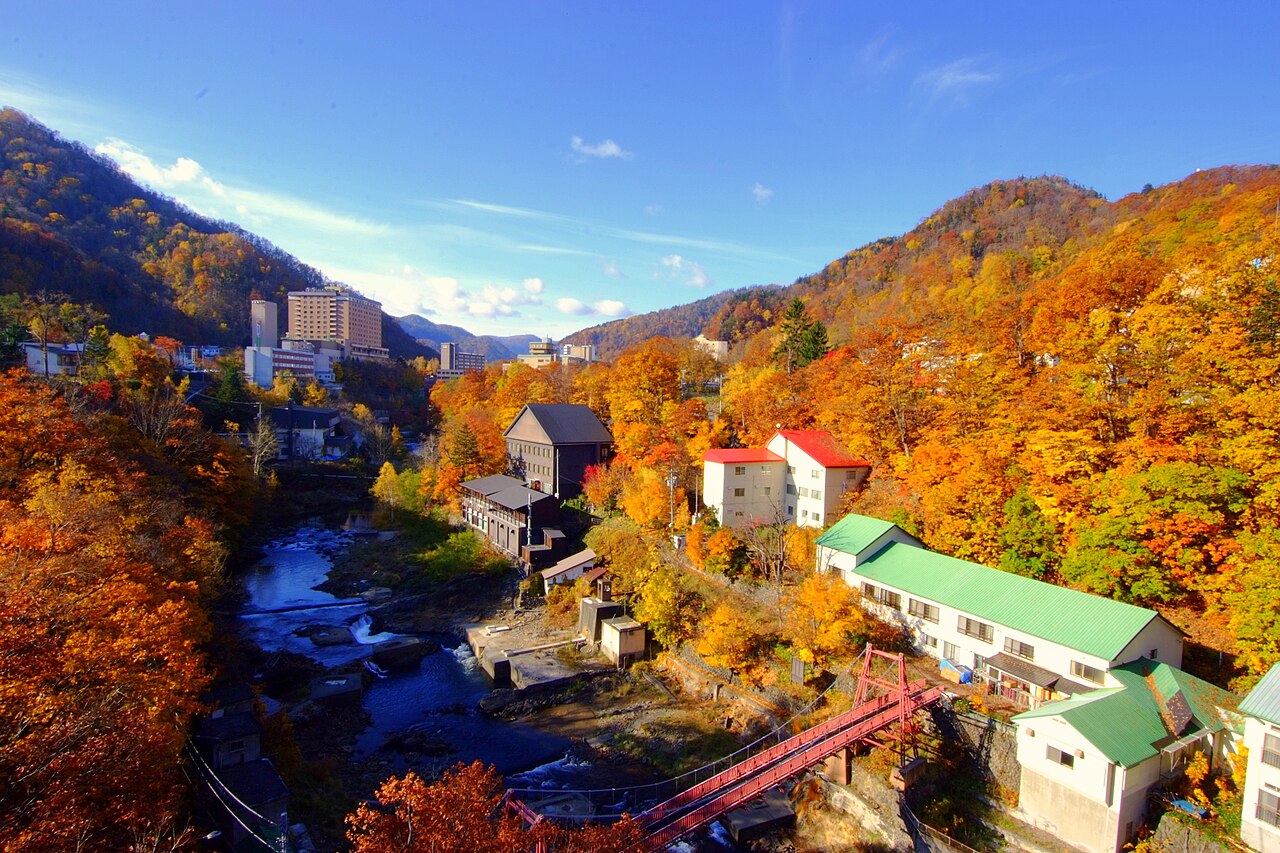
Photo: t-konno / Wikimedia Commons (CC BY-SA 3.0)
Located just an hour's bus ride from central Sapporo, Jozankei sits inside the scenic Toyohira River gorge. Fall foliage peaks early here—from early to mid-October—when most of main-island Japan is still green. The Futami Suspension Bridge along the riverside walking path offers one of the best photo spots. A short distance away lies the Hoheikyo Dam area, accessible via eco-friendly electric buses.
This destination is ideal for Hokkaido residents or travelers flying into Sapporo during October. Free foot baths (ashi-yu) are also scattered throughout the town center.
10. Shuzenji (Shizuoka): Maple Groves on the Izu Peninsula
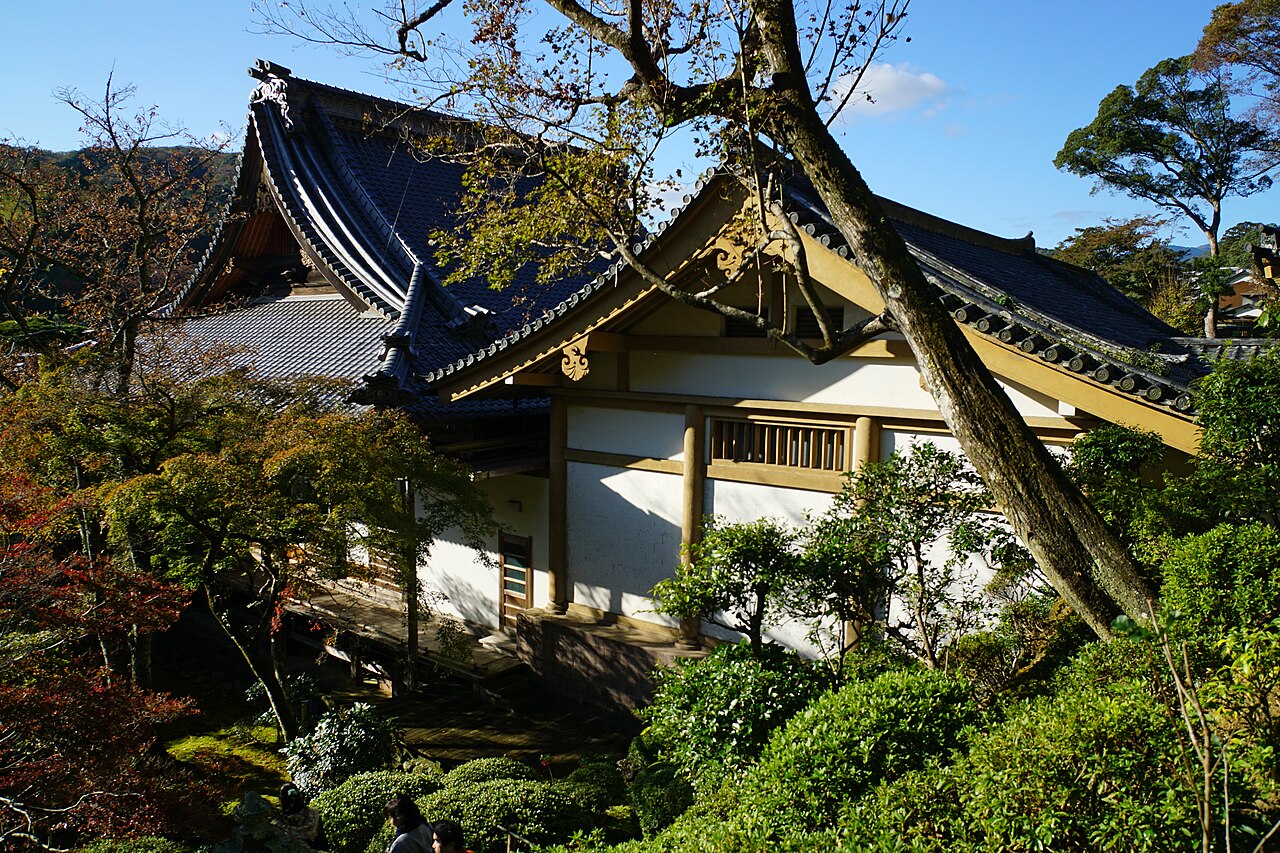
Photo: 663highland / Wikimedia Commons (CC BY-SA 4.0)
Shuzenji is a historic hot spring town dating back over 1,200 years, featuring the peaceful Chikurin no Komichi bamboo path along the river and the Shuzenji Nijinosato park. The Momijibayashi maple grove on the western side turns color late—typically from late November to early December—making it a perfect destination when leaves in northern regions have already fallen.
Access: Take the Shinkansen to Mishima Station, transfer to the Izuhakone Railway for 35 minutes, and then take a short 10-minute bus ride.
Step-by-Step Guide to Planning an Autumn Onsen Trip
- Choose locations by month: Head north in October (Hokkaido, Tohoku, Gunma); explore Tokyo outskirts, Kansai, and Kyushu in November.
- Book early: Inns in places like Ginzan, Nyuto, and Kurokawa should be booked 2 to 3 months ahead. If sold out, consider day-use bathing (higaeri onsen).
- Check tattoo policies: Review the inn’s official website or send an inquiry email in advance.
- Track foliage status: Check foliage forecast websites or local provincial tourism portals roughly a week before departure.
- Verify return transport: Always note the last bus departures, as rural mountain routes often stop service before 6:00 PM.
Estimated Travel Costs
| Item | Estimated Range |
|---|---|
| Day-use bathing (higaeri onsen) | Approx. 500 to 2,500 yen |
| Ryokan 1 night with dinner & breakfast (Autumn peak, per person, twin share) | Approx. 15,000 to 40,000 yen (famous luxury inns may run higher) |
| Budget-friendly hot spring hotel (buffet style) | Approx. 10,000 to 18,000 yen |
| Towel rental (if not bringing your own) | Approx. 200 to 500 yen |
| Bathing tax (nyuto-zei) | Usually 150 yen per night, paid directly at the inn |
Note that ryokan room rates are priced per person rather than per room, with Saturdays and pre-holiday nights commanding much higher rates. Traveling between Sunday night and Thursday can lead to substantial savings.
Essential Onsen Etiquette
- Wash thoroughly before entering the water. Sit at the shower station to wash your hair and body with soap before stepping into the communal pool.
- No swimsuits, no towels in the water. Keep modest hand towels on your head or set them aside along the edge of the tub.
- Tie long hair up so it never touches the thermal bathwater.
- No photography in bathing areas. This applies even when no other guests are present.
- Tattoo guidelines: Small tattoos can often be covered with waterproof patches. If you have large tattoos, reserve a private bath (kashikiri buro), a room with a private outdoor bath (rotenburo), or search specifically for "tattoo OK" establishments.
- Hydrate before and after bathing, and avoid soaking immediately after drinking alcohol. Thermal waters in certain regions can exceed 42°C (107°F), so take short, repeated soak intervals.
Common Pitfalls to Avoid
- Matching city peak foliage dates: Mountain hot spring foliage turns 2 to 4 weeks earlier than neighboring city centers; planning around city peak dates often means arriving after mountain leaves have fallen.
- Missing the last bus: Taking a taxi from secluded hot spring towns back to major train stations can easily cost 8,000 to 15,000 yen.
- Treating the ryokan yukata as a photoshoot costume only: It is standard culture in towns like Kinosaki or Ginzan to wear your yukata while strolling through the village and dining locally. Always wrap the left side over the right side.
- Arriving late for dinner: Traditional ryokan dinners are strictly served between 6:00 PM and 7:00 PM. Arriving late without prior notice may result in your dinner service being canceled.
Frequently Asked Questions
Can I take an onsen bath if I have tattoos?
Yes, but choices may be limited. Many large resort hotels have relaxed their policies to allow guests with small tattoos covered by waterproof stickers. The safest option is booking a room with a private bath or renting a private family bath by the hour.
Can I use a ryokan's hot spring without staying overnight?
Many ryokan and hotels open their baths to non-staying guests during day-use hours—typically between 11:00 AM and 3:00 PM—for around 1,000 to 2,500 yen. During peak season, some inns may temporarily suspend day-use access, so calling ahead or checking their website is advisable.
Which hot spring areas are suitable for a day trip from Tokyo?
Hakone is the most accessible. Kinugawa and Nikko are doable on a day trip but can feel rushed. Kusatsu takes about 4 hours each way by bus, making an overnight stay highly recommended.
Where should I book ryokan accommodations?
You can book through Rakuten Travel, Jalan (Japanese), or international travel booking platforms. Some smaller, traditional ryokan only accept reservations via phone or their own websites. Rakuten Travel and Jalan generally offer greater availability and better rates for rural hot spring towns.
Can young children use onsen baths?
Yes. Young children usually enter the baths accompanied by a parent. Many ryokan also feature private family baths. Be sure to check local provincial regulations regarding age limits for children entering opposite-gender public bath sections, as rules vary by prefecture.
Reference Sources
- Japan National Tourism Organization (JNTO): japan.travel
- Official tourism portals of Hakone, Kusatsu, Ginzan, Kurokawa, and Arima
- Autumn foliage forecasts and status: tenki.jp, Walker Plus (koyo)
Cover photo: lumoplank / Wikimedia Commons (CC0)
Source Verification Date
Information in this guide was last verified in September 2026. Bathing fees, room rates, and bus schedules fluctuate seasonally and annually, so please reconfirm directly with inns and official service providers prior to departure.
Heading into Mountainous Onsen Towns? Stay Connected!
In secluded areas like Nyuto, Ginzan, or Kurokawa, hotel Wi-Fi is often restricted to the main lobby—just when you need reliable connectivity to check return bus schedules or navigate mountain trail maps. HD TELECOM provides data SIMs, eSIMs, and Pocket WiFi rentals for foreign tourists and residents in Japan, backed by dedicated Vietnamese-language customer support. Explore our monthly eSIM plans, data SIM cards, or contact support today.
Related products
Find your plan with HD TELECOM
SIM, eSIM and Pocket WiFi — genuine quality, clear pricing, 24/7 support.
Autumn Day Trips from Tokyo: 10 Fall Foliage Spots to Return the Same Evening
Kyoto Autumn Foliage: 10 Must-Visit Spots and How to Avoid the Crowds
Japan August 2026 Fireworks Schedule: Where to Watch, Dates, and How to Get There

Japan travel 5–14 days: Where to buy travel eSIM, how to use it, how much does it cost?