

Okinawa in Winter: Whale Watching in Kerama, Japan's Earliest Cherry Blossoms and a 4-Day Plan
November 3, 2026
1. Quick Answer
From mid-December to February, Okinawa has a “warm winter”: Naha averages about 17–18°C in January, with daytime highs usually 15–20°C and rarely below 10°C. The sea is about 20–22°C, which most people find too cool for swimming, but the season offers two experiences you can't get in summer:
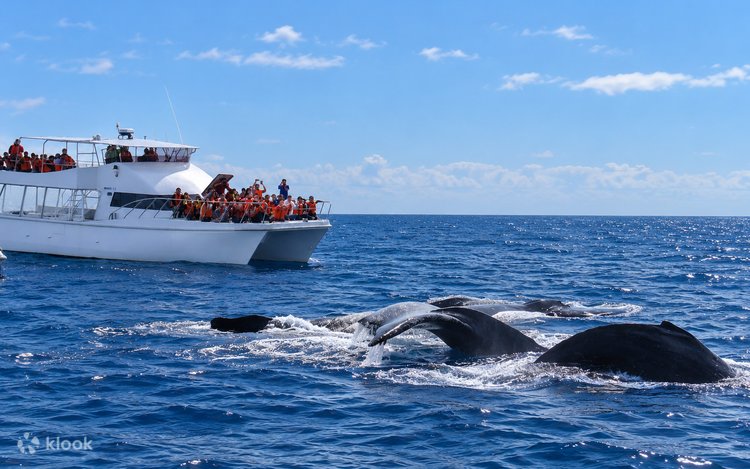
- Humpback whale watching in the Kerama Islands (Zamami, Tokashiki). In 2026 the season ran from January 8 to March 25 in Zamami and January 24 to March 8 in Tokashiki. The 2027 dates are expected to be announced between late November and late December 2026.
- Japan's earliest cherry blossoms (kanhizakura): in Naha, the average first bloom is around January 16 and full bloom around February 4, with viewing until mid-February. Popular spots include Mt. Yaedake (Motobu), Nago Castle Park and Nakijin Castle.
Outside the New Year and Lunar New Year periods, it's the off-season: flights and hotels are cheaper and crowds lighter than in summer.
We checked these details on November 3, 2026, against the sources listed at the end. Ferry fares, whale-watching prices and bloom dates change from year to year; check official sites before booking.
2. How Is Winter Different from Summer in Okinawa?
| Winter (mid-Dec – Feb) | Summer (Jun – Sep) | |
|---|---|---|
| Temperature | about 15–20°C by day | Hot and humid, over 30°C |
| Swimming | Sea about 20–22°C, cold for most people | Ideal |
| Typhoons | Not typhoon season | Typhoon season |
| Seasonal highlights | Whales, cherry blossoms | Beaches, coral snorkeling |
| Prices and crowds | Off-season (except holidays) | Peak season |
Winter days are often cloudy and breezy, so it feels cooler than the numbers suggest, especially on boats. It gets dark early, around 17:30, and some beach facilities and water activities scale back.
3. Whale Watching in the Kerama Islands
Every winter, humpback whales visit the waters around Zamami and Tokashiki, about 40–50 minutes from Naha by high-speed boat.
Season and Prices
- 2026 season: Zamami January 8 – March 25; Tokashiki January 24 – March 8. The 2027 season hadn't been announced when we checked.
- Typical prices: Zamami ¥7,700 adults and ¥3,850 children, plus a ¥600 research levy; Tokashiki ¥8,000 before tax. Member boats may set their own prices.
- There are also tours directly from Naha (Mie-gusuku Port, about six hours, landing on Nagannu Island) for about ¥11,880 per adult.
Ferries from Naha (Tomari Port)
| Island | Boat | Time | One-way adult fare |
|---|---|---|---|
| Tokashiki | High-speed (Marine Liner) | about 40 min | ¥3,300 (from Oct 1, 2026) |
| Tokashiki | Ferry | about 70 min | ¥2,200 (from Oct 1, 2026) |
| Zamami | High-speed (Queen Zamami) | about 50 min | ¥3,950 |
| Zamami | Ferry | about 2 hours | ¥2,900 |
High-speed boats and ferries leave from different sides of Tomari Port, about ten minutes' walk apart. High-speed services to Zamami may be limited in January, so confirm with the village first.
Booking Tips
- In Zamami, the association stopped taking individual bookings in 2024; book directly with each boat, most of which list only a phone number and a Japanese website.
- In Tokashiki, online booking opens two months ahead and closes the day before.
- Ask about the refund policy if no whales are seen.
- Take motion-sickness tablets before boarding; winter seas can be rough.
- Bring cash; Tokashiki is nearly cash-only.
- Ferries can be cancelled for high waves before the whale tour even starts. Sailing decisions are usually made at 8:00 a.m. on the day.
4. Early Cherry Blossoms
Okinawa's cherry blossoms are kanhizakura, a deep-pink variety that blooms from late January, about two months earlier than Tokyo. Blossoms open from the north of the island southward (the opposite of mainland Japan), so northern areas such as Motobu and Nago often bloom first.
- Mt. Yaedake (Motobu): a mountain road lined with thousands of trees; Motobu usually holds a cherry blossom festival during the bloom.
- Nago Castle Park: near Nago city, often with a festival in late January.
- Nakijin Castle: a World Heritage site where blossoms frame the ancient castle walls; some years feature evening illumination.
Bloom dates vary each year; check local bloom forecasts around mid-January.
5. Suggested Four-Day Itinerary
- Day 1: arrive in Naha, pick up a rental car, explore Kokusai-dori and Makishi Market, stay in Naha.
- Day 2: take an early boat to Zamami or Tokashiki for whale watching, back in Naha by evening.
- Day 3: drive north: Churaumi Aquarium, Mt. Yaedake or Nakijin Castle (if in bloom), stay in Nago or Motobu.
- Day 4: follow the west coast back to Naha, stop at local restaurants and head to the airport.
Schedule whale watching early in the trip, so you have a backup day if rough seas cancel the boats.
6. Getting Around and Costs
- Flights: Peach's winter 2026 schedule includes flights to Naha from Kansai, Narita, Nagoya, Fukuoka, Sapporo and Sendai. See our guide to budget domestic flights to work out the full cost including baggage.
- Rental car: the most practical way to reach whale-watching piers and the northern Yanbaru area. Foreign drivers need a valid International Driving Permit or an officially recognized translation, depending on their country – NEEDS VERIFICATION with the rental company.
- Without a car: use the Yui Rail monorail in Naha, long-distance buses to the north, or day tours.
- Parking at Tomari Port: there's no free parking; budget for parking or take a taxi.
7. What to Wear and Pack
- A long-sleeve shirt with a light jacket or windbreaker covers most days.
- No need for down jackets, thermal layers or snow boots.
- Bring an extra warm layer for boat trips; the wind on open water is much colder.
- Sunscreen and sunglasses: Okinawa's winter sun is still strong.
- Binoculars: useful for whale watching, or from Zamami's hilltops if boats are cancelled.
8. More Things to Do in an Okinawa Winter
Food to Try
- Okinawa soba: thick wheat noodles in a light pork and bonito broth, often topped with braised pork belly or spare ribs. A warm bowl is welcome on a breezy winter day.
- Goya champuru: stir-fried bitter melon with tofu, egg and pork, the island's signature home dish.
- Taco rice: taco fillings on rice, an Okinawan invention found everywhere from diners to convenience stores.
- Sata andagi: round, crunchy doughnuts sold at markets and souvenir shops.
Indoor and All-Weather Options
Winter days can be grey and windy, so it helps to have indoor plans. Okinawa Churaumi Aquarium in Motobu, with its huge main tank, makes an excellent rainy-day stop and pairs well with Mt. Yaedake or Nakijin Castle in bloom season. In Naha, Makishi Public Market and the covered shopping arcades off Kokusai-dori are pleasant on wet days.
Nature in the North
The Yanbaru forest in northern Okinawa Island, part of a World Natural Heritage site, is comfortable for walking in the cooler months. Trails can be muddy after rain, so wear proper shoes, and check access rules and guided-tour options before you go.
Remote Islands
Ishigaki and Miyako lie farther south and are usually a little warmer than Okinawa Island. Peach's winter schedule includes flights to Ishigaki from Kansai, Narita and Fukuoka, so you can combine a few days on the main island with an island hop. Ferry and boat schedules to smaller islands can be affected by winter seas, so build in flexibility.
Budget Snapshot
| Item | Cost (approximate) |
|---|---|
| Whale watching (Zamami) | ¥7,700 + ¥600 levy per adult |
| High-speed boat Naha – Zamami | ¥3,950 one way |
| High-speed boat Naha – Tokashiki | ¥3,300 one way (from Oct 1, 2026) |
| Flights and hotels | Lower in mid-January and February than in summer or New Year |
9. A Day in Southern Okinawa
If boats are cancelled or you want a change from the north, the south of Okinawa Island is close to Naha and works well in any weather:
- Sefa-utaki: a sacred site of the Ryukyu Kingdom and part of a World Heritage listing, set among rocks and forest with views toward Kudaka Island.
- Okinawa Peace Memorial Park (Itoman): a place to learn about the Battle of Okinawa, with a museum and memorial overlooking the sea.
- Okinawa World: a theme park built around the Gyokusendo limestone cave, with craft workshops and traditional performances; mostly sheltered, so good on rainy days.
- Coastal cafés: the southeast coast has many cafés with sea views, pleasant on mild winter afternoons.
The south is easiest by rental car, but bus tours from Naha also cover several of these sights in a day. Combine it with an evening on Kokusai-dori for a full day without long drives.
10. Your Phone and Mobile Data in Okinawa
Coverage is generally good in Naha and major tourist areas. On boats to the islands, in the Yanbaru mountains and on some remote beaches, signal can be weak. Download offline maps, save the phone numbers of your whale-watching boat and hotel, and check morning ferry cancellation notices on the village or ferry operator's website. If you're driving a rental car, your phone will likely be your main navigation device, so reliable data and an in-car charging cable are essential.
Need mobile data during your Japan trip? Compare HD Telecom's available eSIM and Wi-Fi options, and check device compatibility before choosing a plan. Visitors can read our guides to travel eSIMs for 5–14 day trips and choosing between a SIM, eSIM and Pocket WiFi. For longer stays, see HD Telecom's Monthly Data eSIMs (your phone must support eSIM) and Monthly Pocket WiFi rentals, and check each plan's data allowance, the speed after the allowance runs out and the terms on the product page. Don't rely on free Wi-Fi while driving or on boats; see our guide to free Wi-Fi in Japan.
11. FAQ
Can I swim in Okinawa in January?
Some people do, but with the sea at about 20–22°C and cool winds, most find it uncomfortable. Diving in a wetsuit remains popular.
Am I guaranteed to see whales?
Nothing is guaranteed. Some operators claim high success rates (over 90%), but only when boats can sail. Ask about refunds before booking.
Is Okinawa crowded over New Year?
Yes. New Year and Lunar New Year are mini-peaks with higher prices. For the best value, go in mid-January or February. See our guide to New Year in Japan.
Can I go whale watching without a car?
Yes. Take a taxi or bus from central Naha to Tomari Port, then the boat to the islands. Some package tours include hotel pickup.
Are Okinawa's cherry blossoms like Tokyo's?
No. Kanhizakura are a deeper pink, hang downward and bloom in late January to early February.
Is December a good time to visit Okinawa?
Mid-December can be good value, with mild weather and few crowds, but whale-watching season usually starts in January and cherry blossoms in late January. If those are your goals, aim for mid-January to mid-February.
Do I need a jacket?
A light jacket or windbreaker is enough for most days. Bring an extra layer for boat trips and evenings, when wind makes it feel cooler.
12. Conclusion
Winter in Okinawa isn't about beaches, but it's ideal for whale watching, early cherry blossoms and good-value travel without the crowds. Book whale tours early and leave a backup day for rough seas, rent a car if you want to head north, pack a light jacket for the boats, and keep your phone connected as you move between islands.
Sources (checked November 3, 2026)
Related products
Find your plan with HD TELECOM
SIM, eSIM and Pocket WiFi — genuine quality, clear pricing, 24/7 support.
First Time at a Japanese Izakaya: Otoshi, Nomihodai, Ordering, and Year-End Party Etiquette
Eating Conveyor Belt Sushi in Japan: How to Order via Tablet, Plate Prices, Fish Names, and Must-Know Etiquette
Shirakawa-go Winter Light-Up 2027: Dates, Tickets, Tours from Takayama and Tips
Luggage in Japan: Coin Lockers, Baggage Counters and Takkyubin Forwarding