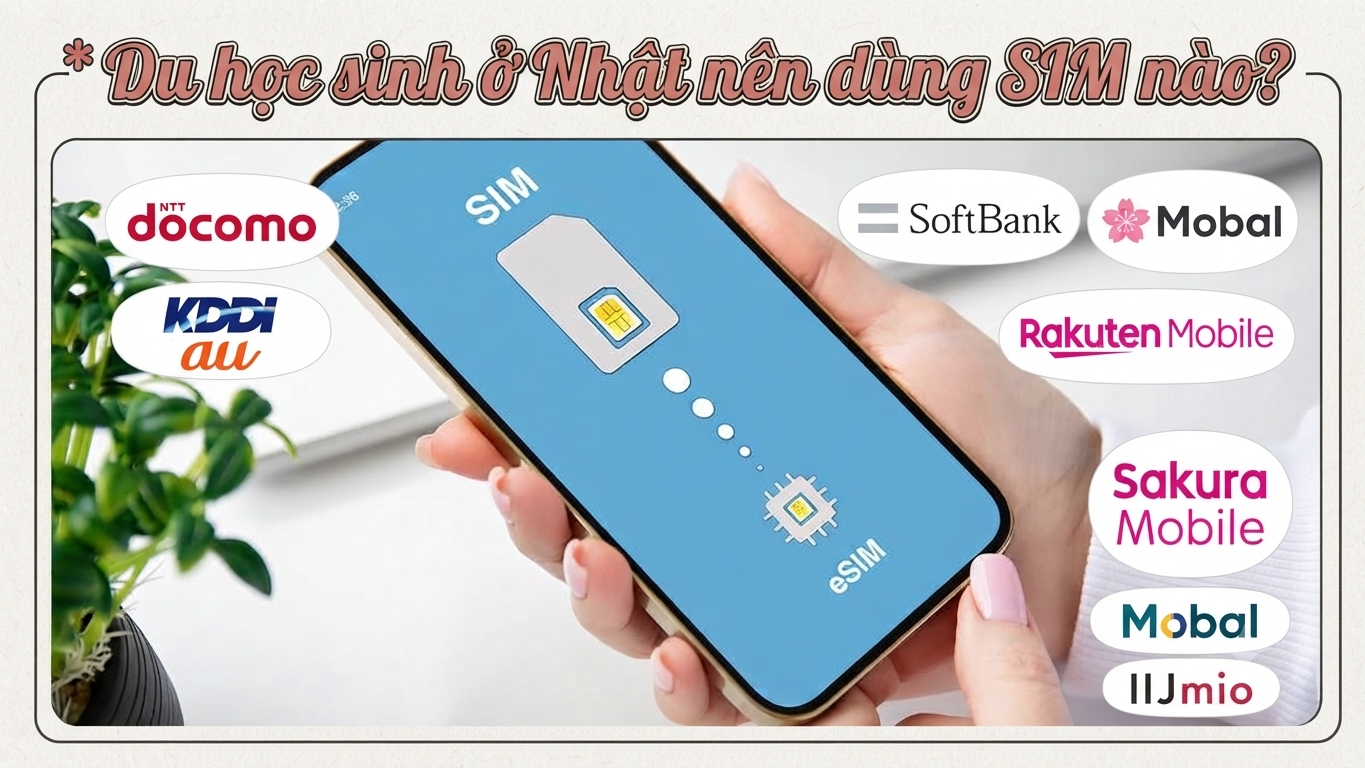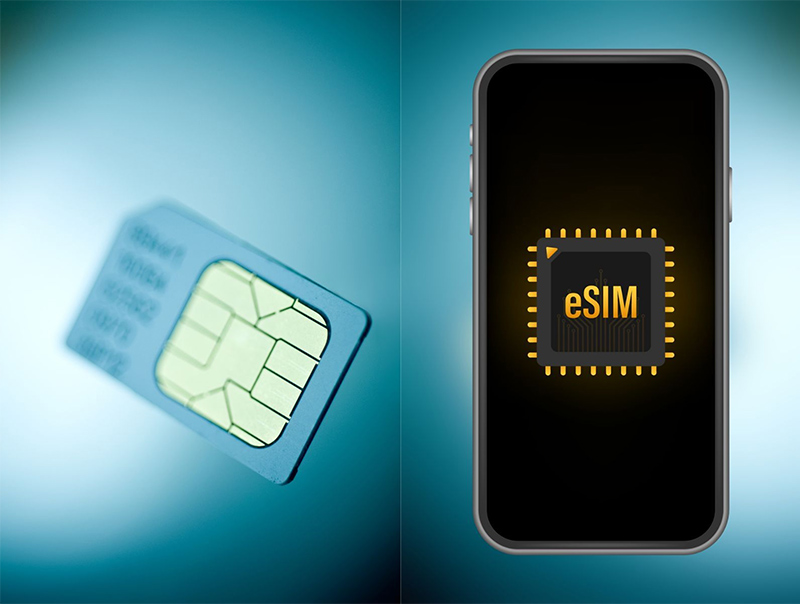

Should You Choose SIM, eSIM, or Pocket WiFi When Coming to Japan? A Detailed Comparison
September 3, 2026
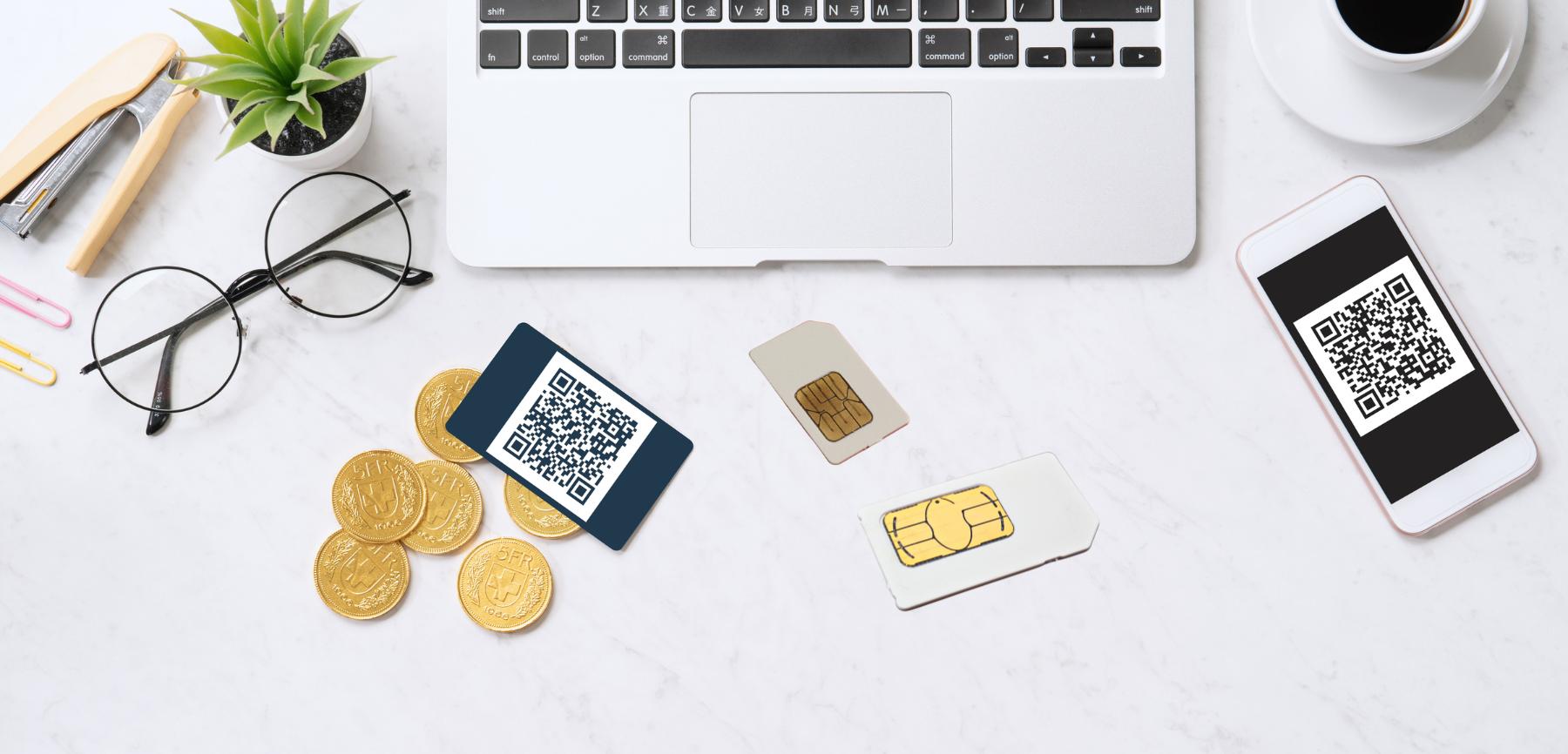
Quick Answer
If you're staying in Japan long-term (international students, technical intern trainees, engineers, tokutei ginou) and your phone supports eSIM, choose a monthly data eSIM — you'll receive the code via email the same day, no need to wait for delivery, and it's the most cost-effective option. If your phone doesn't support eSIM or you're using an old phone bought in Vietnam, choose a physical SIM (monthly data SIM or voice SIM if you need a Japanese phone number). Only choose Pocket WiFi when you need to use multiple devices at the same time (laptop, tablet, multiple people in the household) or when you don't have your residence card yet and don't want to touch the phone you're currently using.
In short: one person – one phone means SIM/eSIM is cheaper and more convenient; multiple devices – multiple people means Pocket WiFi is more reasonable.
Who This Article Is For
This article is for foreigners preparing to come to Japan or who have just arrived within the first few weeks, specifically:
- International students who just enrolled, needing internet to register with school, open bank accounts, and search for part-time jobs.
- Technical intern trainees and tokutei ginou workers who came through labor unions, usually living in dormitories and sharing rooms.
- Engineers and company employees changing jobs or moving, needing stable internet for work.
- People already in Japan who are paying too much for docomo/au/SoftBank plans and want to switch to a cheaper plan.
- Business travelers or long-term tourists (1-3 months) wanting to know whether to rent WiFi or buy a SIM.
If you're still unsure which of the three options is more cost-effective for your situation, the comparison section below will answer exactly that question.
Cases Where This Does NOT Apply
This article is not suitable if you fall into the following categories:
- You're staying in Japan for less than 2 weeks: in that case, a short-term travel eSIM or renting WiFi at the airport is usually more reasonable than a monthly plan. This article focuses on long-term residents.
- You need fixed internet for your entire home (watching 4K movies, playing online games, heavy remote work): in that case you should install fiber optic (hikari), not SIM or Pocket WiFi.
- You need to keep your existing Japanese phone number (MNP) when switching carriers: the MNP process has its own procedure, different from new registration.
- You're asking about residence status, visas, or insurance: this article only covers telecom services. Please contact the relevant authorities directly for legal matters.
Steps to Take: Choose the Right Type in 5 Steps
- Check if your phone supports eSIM. For iPhone: go to Settings → General → About, scroll down and if you see an "EID" line, it means the device supports eSIM. For Android: go to Settings → Connections / Mobile Networks, check if there's an "Add eSIM" option. iPhone XS and later, and most Android devices from 2020 onward, support eSIM.
- Check if your device is SIM-unlocked. Phones purchased in Vietnam as "international versions" are usually already unlocked. Phones bought on installment from a foreign carrier may be locked and unable to use a Japanese SIM. Quick test: try inserting a SIM from a different carrier; if it gets signal normally, the device is unlocked.
- Determine what you need: just data, or also a Japanese phone number? If you need to submit job applications, register with a bank, register for housing, or sign utility contracts — many places require you to fill in a Japanese mobile number starting with 070/080/090. In that case, you need a voice SIM, not just a data SIM.
- Count the number of devices and shared users. Living alone with one phone: SIM or eSIM. Two or more devices, or sharing internet costs with roommates: consider monthly Pocket WiFi.
- Choose your contract term based on your plans in Japan. If you're staying long-term and want the lowest monthly cost, choose a 12-month prepaid SIM plan. If you're unsure how long you'll stay, or just arrived and still testing things out, choose a monthly plan for flexible cancellation.
Quick Comparison Table: SIM – eSIM – Pocket WiFi
| Criteria | Physical SIM | eSIM | Pocket WiFi |
|---|---|---|---|
| Number of devices usable | 1 | 1 | 5–10 devices simultaneously |
| Time to receive | 1–3 days (delivery) | A few hours – same day (via email) | 1–3 days (device delivery) |
| Requires compatible phone | Just needs an unlocked device | Needs eSIM-supported + unlocked device | Not needed — any device can connect to WiFi |
| Has a Japanese phone number | Yes if choosing a voice plan | Depends on plan, mostly data | No |
| Need to carry extra device | No | No | Yes — WiFi router + charger |
| Battery | Only uses phone battery | Only uses phone battery | Must charge the WiFi router separately every day |
| Risk of losing/damaging device | Low | None | Yes — must compensate for lost device |
| Reference cost/month | Around 1,500–3,500 yen depending on data volume | Similar or slightly cheaper than SIM | Around 3,000–5,000 yen |
| Best suited for | Users with old devices, needing a phone number | Newcomers needing urgent internet | Households, shared housing, multiple devices |
Choose Based on Your Specific Situation
- International students in dorms with shared WiFi already: just need an eSIM or medium-capacity data SIM (5–20GB) for use when going out. No need for Pocket WiFi.
- Technical interns sharing a room with 3–4 people, no internet in the room: one Pocket WiFi split among everyone is usually cheaper than each person buying a large-capacity SIM.
- People applying for jobs, moving, opening bank accounts: should have a voice SIM to receive calls from companies and authentication SMS.
- Engineers working on laptops, often at coffee shops: an eSIM for the phone + 4G tethering to the laptop is enough; or Pocket WiFi if using the laptop all day.
- Just landed at the airport, don't have your residence card yet: data eSIM is fastest since it can be activated immediately using free airport WiFi.
Documents to Prepare
Document requirements vary depending on the type of service. This is a point many newcomers aren't clear about:
| Service Type | Documents Usually Required |
|---|---|
| Data SIM / eSIM (no calling number) | Usually just basic information: full name, delivery address or email, payment method. Some providers still ask for a photo of the residence card for verification. |
| Voice SIM (070/080/090 number) | Mandatory identity verification per Japanese regulations: front and back photos of a valid residence card (在留カード), or passport; residential address in Japan; credit card or bank account in the registrant's name. |
| Monthly Pocket WiFi | Personal information, device delivery address in Japan, payment method. Since the device is rented equipment, providers usually require ID photos. |
Important note: the registered name must match the name on your ID document. If you're registering on behalf of a friend, register under the name of the person who will actually use it, to avoid trouble later when needing support or canceling the contract.
Additionally, identity verification when purchasing a SIM with calling functionality is a legal requirement in Japan (Act on Prevention of Unauthorized Use of Mobile Phones), not a store-specific policy. Therefore, no legitimate provider sells voice SIMs without checking identification documents.
Costs
Below are reference costs in the cheap SIM (kakuyasu SIM) market for foreigners in Japan. Please check specific plan prices at the product page as they may change based on promotions.
| Item | SIM / eSIM data | Voice SIM | Pocket WiFi |
|---|---|---|---|
| Initial fee | Usually a SIM issuance fee or plan activation fee; eSIM sometimes gets free shipping | Has an initial registration fee | May have registration fee or device deposit |
| Monthly fee | Around 1,500–3,500 yen depending on 5GB–50GB data volume | Higher than data-only plan with same volume due to added voice function | Around 3,000–5,000 yen for large-volume plans |
| Call fees | None (calls only via apps like LINE, Zalo, Messenger) | Charged per minute or included in bundled plans | None |
| Additional fees | Buy more data if it runs out | Buy more data, excess call charges | Compensation for lost/damaged device; return fee at end of contract |
How to Calculate Which Type Is Cheaper For You
Simple formula: take the total monthly payment divided by the number of people actually using it.
- Living alone, using 20GB/month: a data eSIM costs around 2,000–3,000 yen → cheaper than Pocket WiFi.
- Sharing housing with 3 people, each using 20GB: three SIMs would cost 6,000–9,000 yen, while one large-capacity Pocket WiFi at around 4,000 yen split three ways is just over 1,300 yen/person → Pocket WiFi is clearly cheaper, provided all three live in the same house and rarely take the device out.
- Staying over 1 year and wanting to save: the 12-month prepaid plan usually has a lower average monthly cost than the monthly plan.
A point many overlook: Pocket WiFi only saves money when everyone is close together. If three people commute to three different locations, the WiFi device can only serve one person, and the other two still have to buy SIMs — in that case the total cost ends up higher.
Duration and Processing Time
- eSIM: fastest. After completing registration and payment, the QR code is usually sent via email within a few hours to the same business day. You scan the code and can use it immediately, no need to wait for mail delivery.
- Physical SIM: after application approval, the SIM is sent via delivery, usually arriving after 1–3 business days depending on the area. Remote areas like Hokkaido, Kyushu, Okinawa may take longer.
- Pocket WiFi: similar to physical SIM, 1–3 business days to receive the device. The device comes pre-configured, just turn it on and enter the password printed on the device.
- Voice SIM: may take 1–2 days longer due to identity verification before a number is issued.
Regarding contract terms:
- Monthly plans: auto-renew monthly, can be canceled when no longer needed (advance notice required per plan terms).
- 12-month prepaid plans: use for the full 12 months, then renew or stop at expiration. The advantage is not having to worry about forgetting monthly payments.
- Pocket WiFi: is a device rental contract, when finished you must return the device with all accessories.
Where to Register and Where to Receive
You have three main options:
- Register online before coming to Japan. This is convenient for eSIM: you receive the QR code via email and activate it immediately upon landing, just need free airport WiFi to scan the code. For physical SIM, you need a delivery address in Japan (dormitory, friend's house, receiving company).
- Register online after arriving in Japan. Fill out the form on the website, submit ID photos, choose a delivery address. This is the most common method for international students and technical interns.
- Visit a store in person. If you're in Tokyo, the Shin-Okubo area has many stores serving foreigners, supporting Vietnamese and English, where you can receive a SIM the same day. HD TELECOM is headquartered in Shin-Okubo, Tokyo.
Regarding payment, commonly accepted methods include credit card, bank transfer, and convenience store payment depending on the provider. Details on bank transfer methods and payment options are available at the support page.
Common Mistakes
1. Buying an eSIM when the phone doesn't support eSIM
This is the most common mistake. An activated eSIM usually cannot be refunded. Check the EID field in the About section before making payment.
2. Device is still locked to a foreign carrier
Inserting a Japanese SIM but the device shows "SIM not valid." You need to contact your previous carrier to unlock it, or use Pocket WiFi instead since Pocket WiFi doesn't depend on whether the device is locked.
3. Thinking a data SIM can make calls like a Japanese number
A data SIM can only make calls through internet apps. You cannot receive calls from employers, hospitals, or authentication SMS sent to a Japanese phone number. If you need those, you must get a voice SIM.
4. Choosing Pocket WiFi but actually everyone goes to different places
The WiFi device can only be in one place. Friends split the cost, but when the person carrying the device goes to work, everyone else at home loses internet. Agree in advance on who keeps the device and where it will be used.
5. Forgetting that Pocket WiFi needs charging
The WiFi device usually lasts about 8–12 hours per charge. Working long shifts or forgetting to charge means losing internet for the whole day. People who don't want to carry extra items should choose SIM/eSIM.
6. Registering under someone else's name
When you need to change plans, report a lost SIM, or cancel the contract, the provider only works with the person whose name is on the account. Having someone else register for you becomes very troublesome once that person has returned to their home country.
7. Not checking network coverage where you live
In big cities, any carrier works fine, but in mountainous areas or factories far from the city center, signal may be weak. Ask people already living in the same area which carrier they use beforehand.
8. Running out of data mid-month and getting speed throttled
When data runs out, speed usually drops to a very slow level. If you frequently watch videos or make video calls to Vietnam every evening, choose a large-capacity plan from the start instead of buying add-ons repeatedly at a higher price.
Frequently Asked Questions
What's the difference between eSIM and physical SIM in terms of signal quality?
No difference. Both run on the same carrier network infrastructure. The only difference is in the installation method: eSIM is a QR code downloaded to the device, physical SIM is a plastic card inserted into the tray.
Can I buy a SIM without a residence card yet?
For data-only SIM/eSIM, many providers still allow registration with a passport. For SIM with calling function, identity verification is mandatory under Japanese law, usually requiring a valid residence card. If you've just landed and don't have the card yet, data eSIM or Pocket WiFi is the best temporary solution.
Can I make calls using Pocket WiFi?
Only via internet apps like LINE, Zalo, Messenger, WhatsApp. Pocket WiFi has no phone number so it cannot receive calls or SMS messages from a Japanese number.
How many GB should I choose per month?
Reference: just chatting and checking maps, about 3–5GB; watching YouTube, TikTok daily, about 20–30GB; frequent video calls to Vietnam or using it for a laptop, choose 50GB or more, or use a large-capacity Pocket WiFi.
Can I use a Japanese eSIM while keeping my Vietnamese SIM in the phone?
Yes. Most eSIM-supported phones allow using one physical SIM and one eSIM simultaneously. Keep your Vietnamese SIM for receiving bank OTPs (remember to enable roaming carefully to avoid high charges) and use the Japanese eSIM for daily data.
Are there fees for canceling a monthly plan?
Depends on each plan's terms. Monthly plans are usually more flexible than long-term plans, but you need to give notice according to the specified deadline, otherwise you'll be charged for an additional cycle. For Pocket WiFi, remember to return the device with all accessories to avoid compensation fees.
Can I switch from Pocket WiFi to SIM midway?
Yes, but you should check the end date of your WiFi contract cycle to avoid paying for two services at once. The safe way is to register for a new SIM/eSIM at the end of your current WiFi cycle.
References
- Ministry of Internal Affairs and Communications of Japan (総務省 – MIC): regulations on identity verification when signing mobile phone contracts under the Act on Prevention of Unauthorized Use of Mobile Phones (携帯電話不正利用防止法) — soumu.go.jp
- Apple's official support page on how to check and set up eSIM on iPhone — support.apple.com
- Guide pages for checking SIM lock status (SIMロック解除) from major Japanese carriers: NTT docomo, au (KDDI), SoftBank
- HD TELECOM's plan information and service terms at the product page and support page
Rates, data volumes, and registration conditions may change over time. For matters related to identification documents and residence status, you should confirm with the relevant authorities or directly with the service provider before signing a contract.
Source Verification Date
The information in this article was last verified on May 20, 2025. We review it periodically, but if you notice any information that is no longer accurate, please let us know so we can update it.
Where You Should Start
In summary: if your device supports eSIM, choose eSIM; if it's an old device, choose physical SIM; if you have multiple people and devices, choose Pocket WiFi; if you need a Japanese phone number, choose a voice SIM.
If you're still not sure which type suits you, take a look at these specific options:
- Monthly eSIM — quick code delivery, suitable for newcomers.
- Monthly data SIM — flexible, cancelable when not needed.
- 12-month prepaid SIM — cost-saving for long-term residents.
- Monthly portable WiFi — for shared rooms, families, multiple devices.
The HD TELECOM team in Shin-Okubo, Tokyo provides support in Vietnamese. Just tell us clearly what device you're using, where you live, whether you're alone or sharing — we'll suggest the most cost-effective option, even if that option isn't the most expensive plan. More helpful guides at the blog page.
Related products
Find your plan with HD TELECOM
SIM, eSIM and Pocket WiFi — genuine quality, clear pricing, 24/7 support.