

New Year in Japan 2026–2027: Holiday Schedule, Closures, Hatsumode, and Essential Customs
October 24, 2026
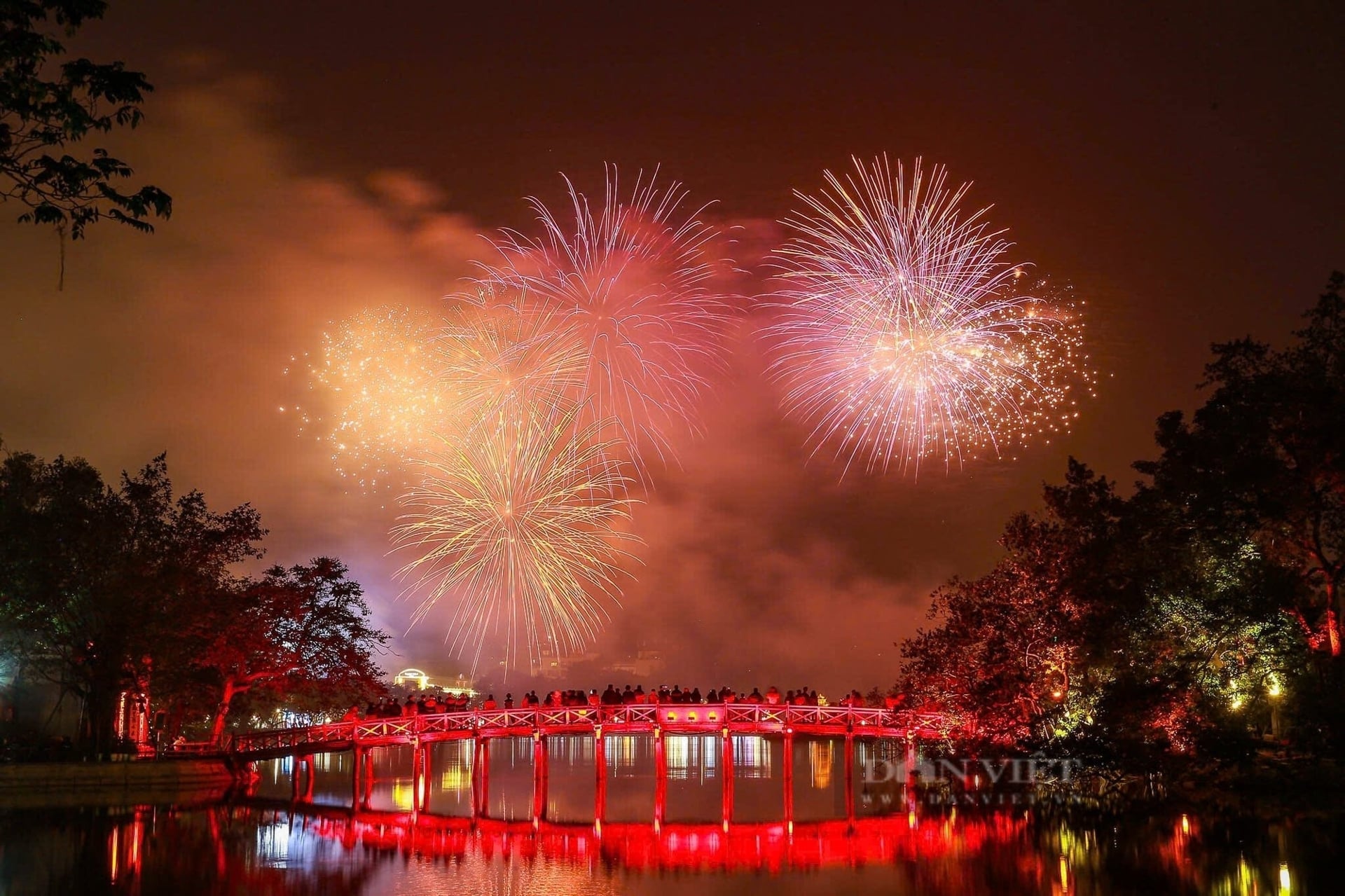
Quick Answer: In Japan, New Year's Day (お正月 – Oshogatsu) is more important than Lunar New Year. The main holiday season typically lasts from around December 29–30, 2026 to January 3, 2027; only January 1 is an official national holiday, but many offices, companies, and services close for the entire week. Banks and post office counters usually close from December 31 to January 3. Bank and post office ATMs may shut down or operate on limited hours during these days, while convenience store (konbini) ATMs generally remain operational. Be sure to withdraw cash, pay bills, and send mail or packages before December 29. During the holiday, konbini stay open, while many department stores close on January 1 and reopen on January 2 with early-bird "lucky bag" (fukubukuro) sales. Signature holiday activities include visiting a shrine or temple for the year's first prayer (初詣 – hatsumode), eating toshikoshi soba noodles on the night of December 31, and enjoying osechi dishes during the first few days of the year. Specific schedules vary by location and are usually announced in December, so be sure to double-check in advance.
How New Year in Japan differs from Vietnam
In 1873, Japan switched to the Gregorian calendar, moving its New Year celebration to January 1. The atmosphere of Oshogatsu is quite similar to Lunar New Year (Tet) in Vietnam: people return to their hometowns, clean their homes, eat special foods, visit shrines to pray for good fortune, and exchange New Year greetings.
Key differences foreigners should keep in mind:
- Major cities become much quieter, as many small shops, family-run restaurants, and offices close.
- Trains and expressways are extremely crowded during the peak travel days at the beginning and end of the holiday.
- Public and financial services pause for several days.
- Lunar New Year is not a public holiday in Japan. If you wish to celebrate Tet, you will usually need to request time off individually.
What's open and what's closed during the holiday
The table below is based on how services typically operate during this period in recent years. Each bank, store, and government office releases its official schedule in December.
| Service | Typical Schedule |
|---|---|
| Banks (teller counters) | Closed Dec 31 – Jan 3 |
| Bank & Post Office ATMs | May be offline or have limited hours; check your bank's schedule |
| Konbini ATMs | Usually remain open; fees and hours may differ from normal days |
| Post office counters | Most closed Dec 31 – Jan 3; some main post offices offer limited counter services |
| Mail delivery | New Year's cards (nengajo) delivered Jan 1; regular mail may be paused |
| Ward/City offices (区役所, 市役所) | Usually closed Dec 29 – Jan 3 |
| Konbini | Open 24/7 as usual |
| Supermarkets | Many stay open, but some close on Jan 1 or operate on shortened hours |
| Department stores | Usually closed Jan 1, reopening Jan 2 for New Year sales |
| Small/family restaurants | Many close for several days; chain restaurants and hotel dining are usually open |
| Museums | Usually closed Jan 1; many reopen starting Jan 2 |
| Hospitals & clinics | Most closed; emergency duty clinics operate according to local schedules |
| Trains | Operate on holiday schedules; select lines run extra overnight trains on Dec 31 |
What to do if you get sick during the holiday
Local municipalities usually publish a list of emergency duty clinics and hospitals open over New Year (休日当番医). You can check your local city's official website. In an emergency, dial 119. Many regions also offer the medical consultation hotline #7119 to help you determine whether to call an ambulance (not available in all areas — check your local coverage).
Checklist of things to do before December 29
For residents in Japan, most holiday headaches stem from forgetting tasks that require a bank, post office, or government office.
- Withdraw enough cash to last about a week. Although konbini ATMs remain open, cards from certain banks might not work during specific time windows.
- Transfer money and pay upcoming bills (rent, phone bills, tuition). Bank transfers made during the holiday are usually processed only on the first business day of the new year. See our guide to payment methods in Japan for details.
- Send packages and gifts home early. Domestic and international courier services experience high volumes in late December.
- Complete ward office procedures (address registration, official certificates) before they close for the holiday.
- Stock up on over-the-counter medicine (fever reducers, cold medication) in case local clinics are closed.
- Book train and flight tickets well ahead if you plan to travel or return home — seats sell out very quickly.
- Check your phone plan and data allowance if you plan to make frequent video calls home during the holidays.
- Check your neighborhood's year-end trash collection schedule. Trash pickup schedules often change around New Year; putting out trash on the wrong day can cause issues with neighbors.
Japanese New Year Traditions
Year-end deep cleaning (大掃除 – osouji)
In late December, families and companies conduct a thorough cleaning to welcome the New Year fresh and tidy. If you live in a rented apartment, this is also a good time to dispose of unwanted items — keep in mind that oversized trash (粗大ゴミ) requires paid pickup and must be booked days in advance.
Kadomatsu and shimekazari decorations
You will see bamboo and pine decorations (門松 – kadomatsu) placed at the entrances of businesses and shops, as well as straw rope wreaths (しめ飾り – shimekazari) hanging on home front doors. Traditionally, these act as welcoming symbols for the New Year deity.
Toshikoshi soba on the night of December 31
On New Year's Eve, many families eat soba noodles (年越しそば) to symbolize longevity and "cutting ties" with the hardships of the past year. Supermarkets sell ready-to-eat soba and tempura sets. Soba shops can get very crowded on the afternoon and evening of December 31.
New Year's Eve bells (除夜の鐘 – joya no kane)
On the night of December 31, many Buddhist temples strike their large bronze bells 108 times, symbolizing the cleansing of 108 earthly desires. Some temples allow visitors to queue up and ring the bell themselves, though spots may be limited.
Osechi and ozoni
Osechi (おせち料理) consists of traditional foods served in multi-tiered boxes, with each dish carrying a symbolic meaning for good fortune (shrimp for longevity, black beans for good health, herring roe for fertility). Many households order pre-made osechi from department stores, konbini, or restaurants; order deadlines are usually from early to mid-December.
Ozoni (お雑煮) is a soup containing mochi rice cakes, with broths and ingredients varying significantly by region. When eating mochi, be sure to cut it into small pieces and chew thoroughly — sticky mochi poses a choking risk, particularly for young children and the elderly.
New Year's Postcards (年賀状 – nengajo)
People in Japan send special New Year greeting cards so they arrive precisely on January 1. The post office accepts nengajo starting in mid-December; to guarantee delivery on January 1, you must post them by a specific cutoff date announced annually (usually around December 25).
New Year money gifts (お年玉 – otoshidama)
Similar to Vietnamese Tet, adults give money to children in small decorated envelopes (ポチ袋). These envelopes are available at konbini, 100-yen shops, and stationery stores.
Visiting a shrine for hatsumode
Hatsumode (初詣) refers to the first shrine or temple visit of the year to pray for luck and happiness. January 1–3 are the busiest days.
| Location | Area | Notes |
|---|---|---|
| Meiji Jingu Shrine | Harajuku, Tokyo | One of the most visited sites in Japan; expect long queues |
| Sensoji Temple | Asakusa, Tokyo | Combine your visit with a stroll along Nakamise Street |
| Kawasaki Daishi | Kawasaki, Kanagawa | Famous for prayers warding off bad fortune |
| Fushimi Inari Taisha | Kyoto | Iconic red torii gates; extremely crowded over New Year |
| Sumiyoshi Taisha | Osaka | Major prominent shrine in Osaka |
Basic etiquette for visiting a Shinto shrine:
- Bow slightly before entering the torii gate, and walk along the sides of the path (the center is reserved for the deities).
- Rinse your hands and mouth at the water pavilion (手水舎) following the posted steps.
- Toss a coin into the offering box, and ring the bell if one is present.
- Bow twice, clap your hands twice, make a silent prayer, and bow once more.
At Buddhist temples, press your hands together in prayer without clapping.
Omikuji and omamori: You can draw a fortune slip (おみくじ) and purchase protective amulets (お守り). If you draw bad luck, it is customary to tie the paper slip to a designated rack on the grounds.
Tips to avoid crowds: Visit early in the morning on January 1, or go from January 4 onward. Many people spread out their hatsumode visits across the first week of January. At major shrines, one-way pedestrian routes and entry restrictions may be enforced — please follow instructions from staff and police.
Fukubukuro and early-year sales
Fukubukuro (福袋 – lucky bags) are sealed surprise bags containing items worth significantly more than the retail price. Department stores generally reopen on January 2 to launch their first sales of the year (初売り – hatsuuri). Electronics stores, fashion outlets, and coffee chains also offer lucky bags, with many accepting online pre-orders as early as November or December.
Tips for buying fukubukuro:
- For popular electronics or designer brands, line up early or apply for online lotteries/pre-orders in advance.
- Some brands reveal the bag contents ahead of time — ideal if you prefer not to take a gamble.
- Check the return policy; fukubukuro items are generally non-refundable and non-exchangeable.
Suggested New Year itinerary for Tokyo residents
| Date | Recommendation |
|---|---|
| Dec 29–30 | Finish banking, buy holiday supplies, and do year-end home cleaning |
| Dec 31 | Enjoy toshikoshi soba in the evening; listen to New Year's Eve temple bells nearby |
| Jan 1 | Go for early morning hatsumode; eat osechi and ozoni; make video calls home to extend holiday wishes |
| Jan 2 | Head out for early New Year sales and pick up a fukubukuro |
| Jan 3 | Avoid long-distance travel if possible (typically peak return travel day) |
Staying in touch with family during New Year
Even though Lunar New Year is the main family reunion holiday in Vietnam, many Vietnamese living in Japan still make video calls home during Western New Year. A few tips:
- Video calls on apps (Zalo, Messenger, FaceTime) rely on mobile data or Wi-Fi; extended video calls consume significant data, so use home Wi-Fi whenever possible.
- Mind the time difference: Vietnam is 2 hours behind Japan. Midnight New Year's Eve in Japan corresponds to 22:00 in Vietnam.
- If you plan to travel around Japan during the holiday, having a dependable data connection keeps you from relying on public Wi-Fi.
Our blog offers a detailed guide on how to call Vietnam while saving data. If you live long-term in Japan, HD Telecom provides monthly data SIM cards and eSIMs with various high-speed data tiers on the SoftBank or Rakuten Mobile networks; plans come with minimum contract terms (typically 6 months, or 2 months for the Rakuten 300GB plan). If you need assistance applying or changing your plan, please get in touch before the holiday period to avoid delays.
Frequently Asked Questions
When do banks close for New Year in Japan? Bank teller counters are typically closed from December 31 to January 3. ATM schedules vary depending on the financial institution, though convenience store ATMs generally remain available.
Does the post office operate over New Year? Most post office counters close from December 31 to January 3, though select main branches offer limited service windows. New Year's greeting cards are still delivered on January 1.
Are convenience stores open during the holiday? Yes. Convenience stores operate 24/7 as usual and are the most reliable spots to purchase food, withdraw cash, and pay bills during the holidays.
Where can I go for hatsumode without heavy crowds? Local neighborhood shrines and temples are far less crowded than major sites like Meiji Jingu or Sensoji. If you prefer visiting a major shrine, go early in the morning or wait until after January 4.
Do foreign residents need to prepare anything special for New Year? Nothing is mandatory, but it is best to stock up on cash, pay outstanding bills, and handle official paperwork before December 29. If possible, double-check your neighborhood's special year-end garbage pickup schedule.
Conclusion
New Year's is a time when Japan slows down: city streets quiet down, banks and administrative offices pause, and shrines welcome steady streams of visitors. Taking care of essentials before December 29 — cash, bills, paperwork, and shipping — will let you relax and enjoy the holiday. Take the time to experience the season's unique highlights: a warm bowl of soba on New Year's Eve, a serene early morning shrine visit, and picking up a exciting fukubukuro lucky bag.
Related products
Find your plan with HD TELECOM
SIM, eSIM and Pocket WiFi — genuine quality, clear pricing, 24/7 support.
Taking the Shinkansen Between Tokyo, Kyoto, and Osaka: Choosing Trains, Buying Tickets, Luggage Rules, and Mt. Fuji View Seats
iPhone Duo or iPhone 18: Which Is the Best Value for Money?
Registering a SIM in Japan Without a Credit Card: 4 Payment Methods for Newcomers
Vietnamese Newcomers to Japan: A to Z Guide to Choosing a SIM Card (2026)