
Taking the Shinkansen Between Tokyo, Kyoto, and Osaka: Choosing Trains, Buying Tickets, Luggage Rules, and Mt. Fuji View Seats
October 23, 2026
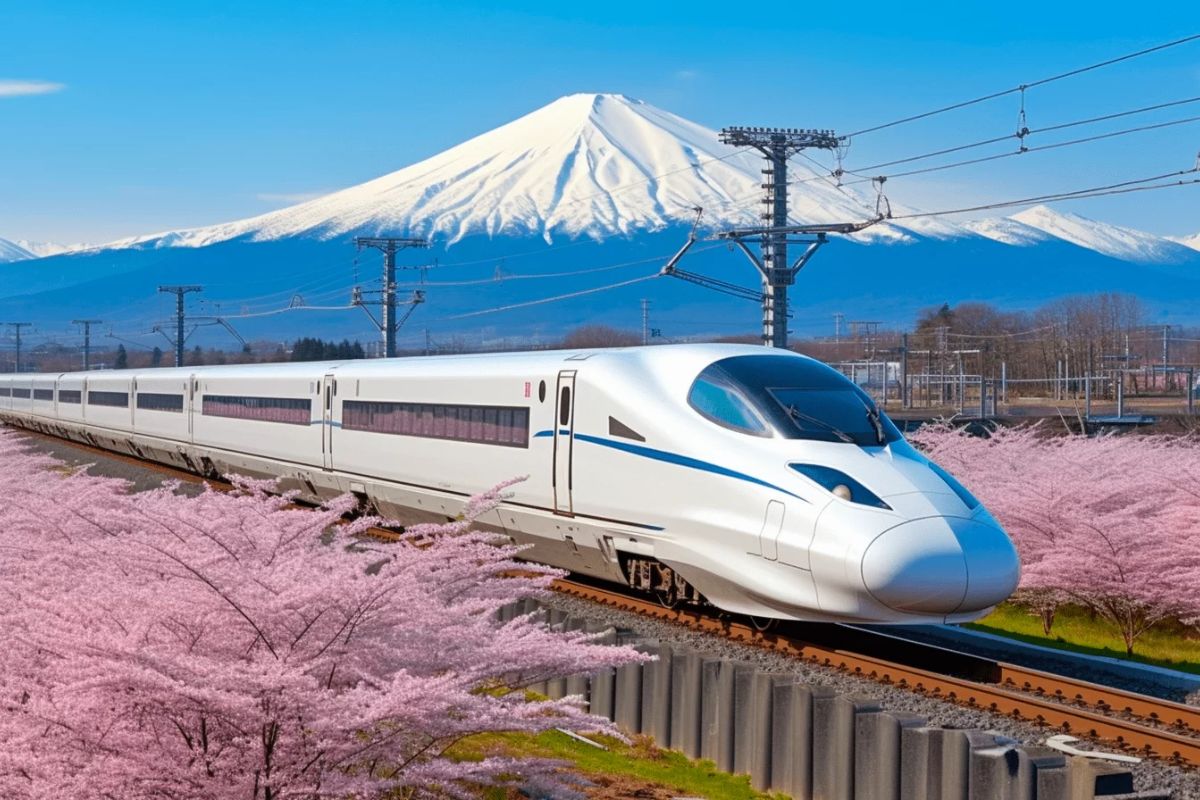
Quick answer: Traveling from Tokyo to Kyoto or Osaka, the fastest and most convenient option is the Nozomi train on the Tokaido Shinkansen line. The Nozomi takes about 2 hours 20–30 minutes from Tokyo Station to Shin-Osaka Station, and about 2 hours 10–15 minutes to Kyoto. The standard one-way reserved seat price between Tokyo and Shin-Osaka during regular season is around 14,500–14,700 yen depending on how you purchase it. Three key things to know before traveling: (1) luggage with total dimensions exceeding 160 cm requires a seat with an oversized baggage area; (2) the nationwide JR Pass does not cover Nozomi unless you buy a supplemental ticket; (3) to view Mount Fuji when traveling westbound from Tokyo, choose Seat E in standard cars. The step-by-step guide below details everything from selecting your train to boarding.
Overview of the Tokaido Shinkansen Line
Operated by JR Central, the Tokaido Shinkansen connects Tokyo to Shin-Osaka, passing through major stations like Shinagawa, Shin-Yokohama, Nagoya, and Kyoto. It is the busiest Shinkansen line in Japan, running with high frequency during peak hours.
There are three types of trains operating on this line:
| Train Type | Stops | Travel Time: Tokyo – Shin-Osaka (Reference) | Notes |
|---|---|---|---|
| Nozomi | Fewest stops | About 2 hours 20–30 minutes | Fastest and most frequent; JR Pass requires a supplemental ticket |
| Hikari | More stops | About 3 hours | Covered by JR Pass without extra charge |
| Kodama | Stops at every station | Slowest, about 4 hours | Less crowded, suitable for short hops between smaller stations |
Travel times are references based on train schedules; specific journeys may vary. For most passengers traveling between Tokyo, Kyoto, and Osaka, the Nozomi is the default choice, unless you are using a JR Pass and prefer not to pay extra.
Which station in Tokyo? You can board at Tokyo Station or Shinagawa Station (and Shin-Yokohama if you are in the south). If your hotel is around Shibuya, Meguro, or near the southern Yamanote Line, Shinagawa is often closer and less congested than Tokyo Station.
Which station in Osaka? The Shinkansen stops at Shin-Osaka Station, not Osaka Station. From Shin-Osaka, take a JR train one stop (about 4 minutes) to reach Osaka/Umeda Station, or take the Midosuji Subway Line to Namba or Shinsaibashi.
Fares and How to Buy Tickets
Fare Structure
Shinkansen fares consist of two parts: the basic fare (乗車券) and the super express surcharge (特急券). The surcharge depends on the train type, whether you choose reserved or non-reserved seating, standard or Green car (first class), and the season (peak, regular, or off-peak).
Reference adult one-way fares for standard reserved seats during regular season:
| Route | Nozomi (Reference) |
|---|---|
| Tokyo – Shin-Osaka | About 14,520 yen when purchased via smartEX; regular paper tickets are slightly higher |
| Tokyo – Kyoto | About 14,000 yen (check the exact price on the JR Central website) |
Non-reserved seats (自由席) are slightly cheaper but do not guarantee a seat, and during peak seasons, non-reserved options may not be available on Nozomi trains. Fares are subject to change; please check the official JR Central or smartEX website before purchasing.
Option 1: Purchase via smartEX (Online)
smartEX is the official online booking service for Tokaido, Sanyo, and Kyushu Shinkansen lines, available in English.
- Download the app or visit the smartEX website and register an account using an email and credit card.
- Select departure station, arrival station, date, time, and seat type.
- Choose your seat on the seat map (you can select Seat E, seats with oversized baggage space, etc.).
- Link an IC transportation card (Suica, PASMO, ICOCA, etc.) for ticketless entry through ticket gates, or pick up paper tickets at station ticket vending machines.
- You can change your train time before departure in accordance with the service rules.
Tickets generally go on sale one month in advance starting at 10:00 AM JST. During peak seasons like Golden Week, Obon, and New Year holidays, book as early as possible.
Option 2: Purchase at the Station
- Ticket Vending Machines: Available in English, accepting cash and credit cards. Select "Shinkansen", then choose your station, time, and seats.
- JR Ticket Offices (Midori-no-Madoguchi): Best if you need assistance regarding JR Passes, group tickets, or special cases. Lines can be long during busy periods.
Option 3: JR Pass
The nationwide JR Pass offers unlimited travel for 7, 14, or 21 days for short-term foreign tourists under JR eligibility requirements. Key points to keep in mind:
- The JR Pass covers Hikari and Kodama trains.
- To ride the Nozomi, JR Pass holders must purchase a Nozomi / Mizuho Supplemental Ticket prior to boarding. The reference price for Tokyo – Shin-Osaka is 4,960 yen.
- Only buy a JR Pass if your total JR train travel is extensive enough to be cost-effective. A single round trip between Tokyo and Osaka usually does not justify the cost of a 7-day JR Pass.
Residents in Japan under long-term visa statuses generally do not qualify for the tourist JR Pass; check eligibility rules on the official site.
Oversized Baggage: Rules You Must Know
This regulation catches many travelers off guard. On the Tokaido Shinkansen (as well as connecting Sanyo and Kyushu lines):
| Total Dimensions (Length + Width + Height) | Regulations |
|---|---|
| Up to 160 cm | Bring on board normally; store on overhead racks or at your feet |
| Over 160 cm up to 250 cm | Must reserve a seat with an oversized baggage area (特大荷物スペースつき座席) — usually the last row of the car |
| Over 250 cm | Not allowed on board |
Reserving a seat with an oversized baggage space incurs no extra charge if done in advance. If you bring oversized luggage without a reservation, you may be charged a fee and required to store your luggage in a spot designated by train staff.
Quick check: Large checked suitcases for flights (around 28–32 inches) often exceed 160 cm in total dimensions, including wheels and handles. Measure your luggage before booking.
Alternative solution: Luggage delivery service (takkyubin) from your hotel in Tokyo to your hotel in Kyoto/Osaka. Bags usually arrive the next day, so bring a small day pack with essential items for one night.
Choosing Your Seat: Mount Fuji Views, Power Outlets, and Quiet Cars
Mount Fuji View Seats
Standard cars on the Tokaido Shinkansen feature an A-B-C | D-E seating layout. When traveling westbound from Tokyo toward Kyoto/Osaka, Mount Fuji appears on the right side of the train — which corresponds to Seat E (window seat on the 2-seat side). In Green cars, the window seat on that side is Seat D.
The mountain usually comes into view around 40–50 minutes after leaving Tokyo, near Shin-Fuji Station. Visibility depends on weather conditions; clear winter days offer better chances than summer. Booking Seat E does not guarantee a view, but maximizes your opportunity.
In the reverse direction (Osaka/Kyoto → Tokyo), Mount Fuji is on the left side relative to train travel, but it is still Seat E because the D-E side remains aligned toward the mountain.
Power Outlets and Wi-Fi
Newer train models on this line feature power outlets at every seat (older trains may only have them at window seats and the first/last rows). Free Wi-Fi is available on board, though connection sessions are usually time-limited, and speeds may fluctuate when usage is high.
Mobile data connections can also be intermittent while passing through tunnels or mountainous regions. If you plan to work during the trip, download necessary files beforehand.
Car Selection and Other Tips
- Green Cars: Wider seats, quieter environment, higher price. Worth considering if you want to work or rest comfortably on a long journey.
- Reserved Seats Near Car Doors: Convenient for quick boarding and disembarking when carrying luggage.
- No Smoking Area: Smoking rooms have been removed on this line's trains; check the latest regulations if you smoke.
Step-by-Step Boarding Process
- Arrive at the station 20–30 minutes early, especially at Tokyo Station due to its vast size.
- Pass through the Shinkansen ticket gates (separate from regular train gates). If using paper tickets, insert both the basic fare ticket and express ticket into the slot together; if using an IC card linked to smartEX, tap your card.
- Check electronic display boards for your train number, departure time, and platform number.
- Locate your car position on the platform: floor markings show car numbers and door locations. Line up in the designated queue line.
- Buy food before boarding. Tokyo Station offers a wide variety of station bento shops (ekiben) featuring foods from across Japan. Onboard trolley sales have been reduced, so do not rely on buying meals on the train.
- Board quickly: Trains stop at stations for only a few minutes. Store your luggage neatly.
- Listen for announcements made in English on screen displays and overhead speakers before reaching each station.
- Get off at the correct station: For Osaka, it is Shin-Osaka; for Kyoto, it is Kyoto Station.
Peak Seasons: Travel Considerations for Holidays
During busy travel periods like New Year, Golden Week (late April to early May), and Obon (mid-August), JR Central designates all seats on Nozomi trains as reserved seats only. During these times, non-reserved tickets cannot be used to board Nozomi trains. Check official JR Central schedules and book as soon as tickets become available.
If Nozomi seats sell out, consider taking a Hikari train or adjusting your travel time earlier in the day. Early morning departures generally have better availability than midday trains.
Comparison with Other Transport Options
| Option | Pros | Cons |
|---|---|---|
| Shinkansen Nozomi | Fast, punctual, city center to city center | Higher cost than buses |
| Long-Distance Bus (including night buses) | Cheaper; night buses save one night of hotel cost | Takes longer, uncomfortable to sleep, subject to traffic delays |
| Flight (Haneda – Itami/Kansai) | Can be cheap during promotional sales | Time-consuming airport transfers and security check-ins |
For most journeys between Tokyo, Kyoto, and Osaka, the Shinkansen remains the most balanced option regarding time and comfort.
Using Your Phone for the Shinkansen Trip
Today, most steps of a Shinkansen journey can be managed on your phone: booking tickets, selecting seats, changing schedules, linking IC cards, checking platform numbers, and monitoring train delays. If you use digital ticketing via smartEX, a stable mobile data connection allows you to quickly adjust bookings directly at the station when plans change.
For residents, students, or workers living in Japan, HD Telecom provides monthly data SIMs and eSIMs (operating on SoftBank or Rakuten Mobile networks). Plans feature minimum contract terms — usually 6 months, while the Rakuten 300GB plan starts from just 2 months. Please note that no mobile network guarantees continuous signal inside long tunnels; download your tickets and essential documents in advance.
Frequently Asked Questions
How long does the Shinkansen take from Tokyo to Osaka? The Nozomi takes about 2 hours 20–30 minutes from Tokyo Station to Shin-Osaka; Hikari takes about 3 hours; Kodama takes longer.
Do I need to book tickets in advance? On regular days, you can buy tickets right at the station. During peak seasons and weekends, booking in advance via smartEX or ticket machines as soon as sales open is highly recommended.
Does the JR Pass cover Nozomi trains? The nationwide JR Pass does not include Nozomi trains by default. You need to purchase a Nozomi / Mizuho Supplemental Ticket before boarding, or ride Hikari or Kodama trains at no extra charge.
What suitcase size is considered oversized? Total dimensions (Length + Width + Height) exceeding 160 cm (up to 250 cm) require a seat reservation with an oversized baggage space. Luggage exceeding 250 cm cannot be brought on board.
Which seat should I select to see Mount Fuji? Seat E in standard cars (Seat D in Green cars). Visibility depends on weather conditions.
Do children need tickets? According to JR rules, children aged 6 to 11 require child tickets (roughly half the adult fare); children under 6 traveling with an adult generally travel free unless they occupy their own reserved seat. Check specific terms before traveling.
Conclusion
Riding the Shinkansen between Tokyo, Kyoto, and Osaka is straightforward once you know three main steps: select the right train type (Nozomi if not using a JR Pass), reserve a seat with oversized baggage space if your bag exceeds 160 cm, and book early during peak travel seasons. Add Seat E for a chance to view Mount Fuji alongside an ekiben bento box from Tokyo Station, and your two-hour trip will become a memorable part of your journey.
Related products
Find your plan with HD TELECOM
SIM, eSIM and Pocket WiFi — genuine quality, clear pricing, 24/7 support.