

Staying Warm During Winter in Japan: Heattech, Kairo, Kotatsu, and Tips to Save on Gas and Electricity
November 9, 2026
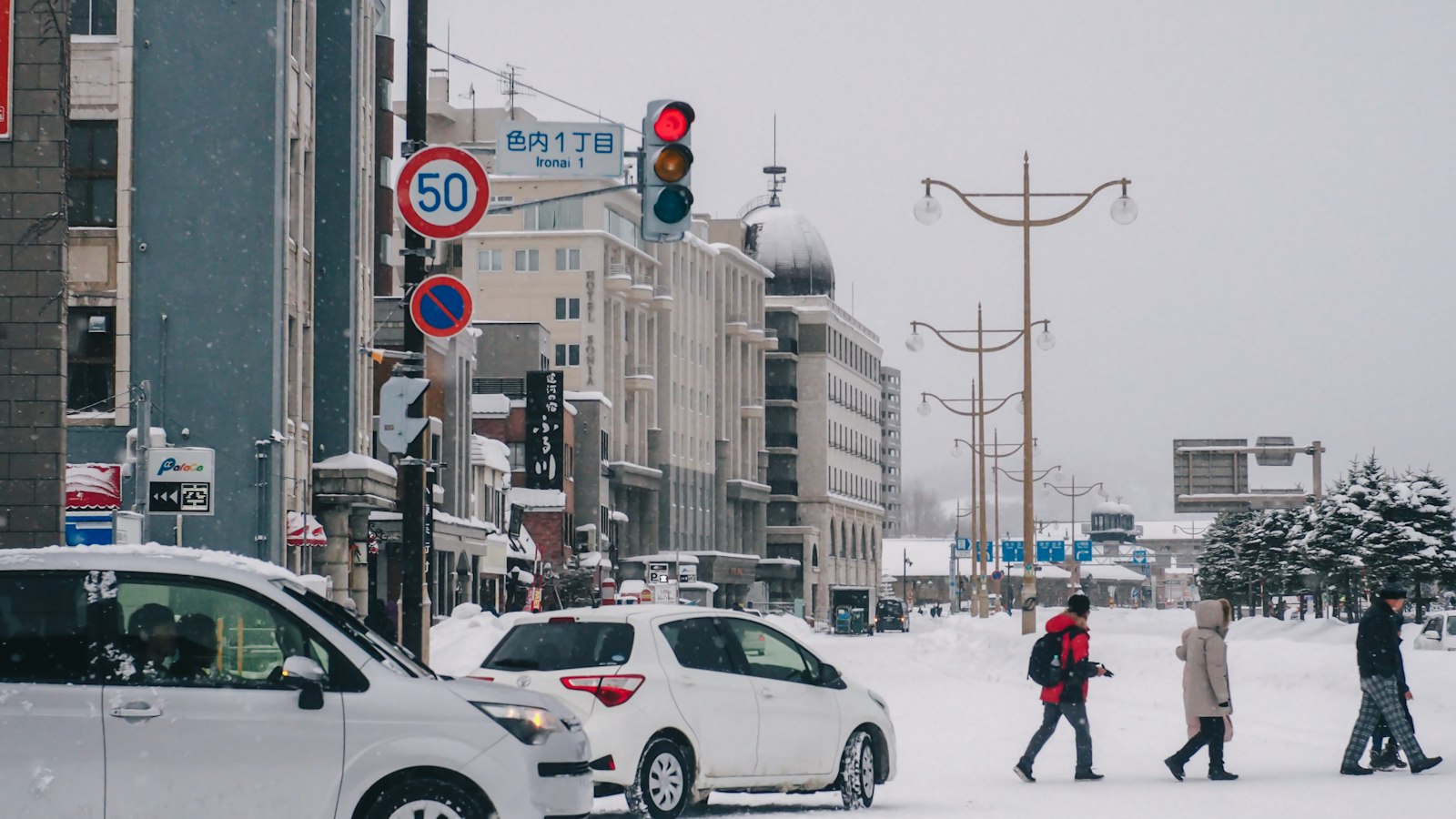
Quick Answer: Effective and Cost-Efficient Ways to Stay Warm in Winter in Japan
To stay warm during winter in Japan without driving up your electricity and gas bills, the core principle is combining the layering technique with devices that warm your body directly through contact, rather than attempting to heat the entire room. When heading outdoors, the standard three-layer formula consists of: a thermal base layer (such as Uniqlo Heattech), an insulating middle layer (fleece or an Ultra Light Down jacket), and a windproof, water-resistant outer shell. At home, a kotatsu heated table, an electric carpet (hot carpet), or an electric blanket consumes far less electricity than an oil heater or running an air conditioner continuously at high temperatures. Setting your reverse-cycle air conditioner to 20°C, paired with an air circulator fan and bubble wrap insulation on your window panes, will help maximize warmth while keeping your living expenses as low as possible.
Who This Guide Is For
This guide is compiled specifically for:
- International students, technical interns, and engineers newly arrived in Japan: Those experiencing snowfall or temperatures dropping below 5°C for the first time, who are not yet accustomed to the dry air and severe chill of cold climates.
- Foreign residents renting traditional houses or older apartments (mansions/apatos): Japanese homes are often constructed to prioritize cooling in summer and generally have poor winter insulation, causing indoor temperatures to feel nearly as cold as the outdoors.
- Vietnamese tourists visiting Japan from November to March: Travelers needing properly curated winter outfits and cold-weather accessories to fully enjoy snow sightseeing, skiing, Christmas, and New Year holidays without catching a cold.
Exceptions and Special Considerations
The guidance in this article should be adjusted according to specific circumstances:
- Hokkaido and the northeastern coastal regions (Tohoku, Hokuriku): Areas with heavy snowfall and temperatures consistently below freezing. Residences here are typically equipped with wall-mounted kerosene heaters with exterior exhaust vents or integrated underfloor heating. You should follow the specific operating guidelines of your building rather than relying solely on an air conditioner.
- Infants, young children, and the elderly: These groups have more sensitive body temperature regulation mechanisms. Room temperatures should not be kept below 18°C, and young children should never be allowed to sleep directly on electric carpets, under electric blankets, or under a kotatsu to avoid risks of dehydration and low-temperature burns.
- Individuals with extremely sensitive skin or atopic dermatitis: Synthetic fibers found in certain extra-warm thermal garments can cause dryness, itching, and rashes in arid winter weather. Those affected should consider 100% cotton or organic merino wool base layers instead.
Step-by-Step Guide to Staying Warm and Controlling Winter Living Costs
1. Master the 3-Layer Rule for Cold Climates
Instead of wearing a single thick, bulky sweater or heavy coat that becomes uncomfortable and overheating the moment you step onto a train or into a heated shopping mall, dress in three functional layers:
- Base Layer (Moisture-wicking and heat generation): Fits snugly against the skin, absorbing body moisture and converting it into thermal energy. The most popular choice is Uniqlo Heattech (available in 3 tiers: Regular, Extra Warm—1.5 times warmer, and Ultra Warm—2.25 times warmer), or comparable thermal lines from Workman, GU, and Muji.
- Middle Layer (Insulation and heat retention): Traps warm air around the body. Excellent choices include fleece jackets, knit sweaters, or Ultra Light Down jackets. The key advantage of ultra-light down is that it packs down small enough to fit inside a backpack once you enter a heated space.
- Outer Layer (Windproofing and water resistance): While an outdoor thermometer may read 8°C, strong winter winds can push the wind chill down to 2°C–3°C. Your outer coat needs a windproof fabric with a water-resistant finish to prevent melting snow from soaking through.
Remember to cover your body’s major heat-loss points: the neck, wrists, ankles, and knees. A warm scarf, touchscreen-compatible gloves, and thick crew socks can double your thermal efficiency compared to simply wearing a thick coat.
2. Use Heat Packs (Kairo - カイロ) Safely and Strategically
Kairo heat packs produce heat through the oxidation of iron powder when exposed to air. There are two primary varieties:
- Adhesive Kairo (Haru kairo - 貼るカイロ): Comes with an adhesive backing. Never apply directly to bare skin, as this can cause low-temperature burns. Affix it to the outside of your thermal base layer.
- Non-adhesive handheld Kairo (Haranai kairo - 貼らないカイロ): Kept inside a coat pocket or held in your hands; these generally reach higher temperatures than adhesive types.
To promote warm blood circulation throughout your body, place Kairo on these four strategic acupressure points:
- Dazhui Point (back of the neck, below the 7th cervical vertebra): Warms the neck and shoulders, helping to prevent chills and colds.
- Mingmen Point (lower back, directly opposite the navel): Helps maintain lower back warmth and relieves cold-induced back stiffness.
- Dantian Point (lower abdomen, roughly 3–5 cm below the navel): Especially beneficial for women, helping warm internal organs and soothing cold-weather menstrual cramps.
- Soles of the feet (using specialized shoe Kairo): Prevents numbness and aching during extended walks outside.
3. Use a Traditional Kotatsu (こたつ) Heated Table
The kotatsu is an iconic Japanese winter fixture featuring a low table frame with an infrared heater mounted underneath, covered by a heavy futon blanket and topped with a table surface. A kotatsu only heats the enclosed space around your legs—the area in direct contact—rather than heating the air of the entire room. Because of this, it consumes very little power (averaging just 100W–300W once warm), using between one-fifth and one-tenth the electricity of running an air conditioner on high.
4. Comparison of Winter Heating Appliances
Many newcomers to Japan are stunned to receive combined electricity and gas bills totaling 15,000 to 30,000 yen for January and February. Understanding the power consumption of each appliance is essential for keeping utilities under control:
| Heating Appliance | Power Consumption | Pros | Cons / Operating Cost |
|---|---|---|---|
| Electric Blanket / Electric Carpet (Denki moufu) | 40W – 80W | Extremely low electricity use; provides instant warmth for sleeping or studying at a desk | Only warms areas in direct contact. Cost: Very Low (a few hundred yen per month). |
| Kotatsu Heated Table | 100W – 300W (stable state) | Exceptionally warm for daily living; outstanding energy savings | Takes up floor space; can make you sluggish or sleepy. Cost: Low. |
| Reverse-Cycle AC (Aircon - エアコン) | 500W – 1,500W | Heats the entire room; safe with zero fire hazard from open flames | Dries out skin and throat; expensive if set above 22°C. Cost: Moderate to High. |
| Ceramic Fan Heater | 800W – 1,200W | Fast spot heating (ideal for bathrooms, dressing areas, under desks) | Runs at constant high wattage; continuous all-day use causes bills to skyrocket. Cost: High. |
| Oil-Filled Radiator (Oil Heater) | 1,200W – 1,500W | Gentle, silent radiant heat; does not burn oxygen or dry out mucous membranes | Heats up very slowly; highest power draw among electric options. Cost: Very High. |
| Kerosene Heater (Touyu Heater) | Consumes kerosene (touyu) | Fast, deep, powerful heat capable of warming large spaces easily | Requires purchasing and carrying fuel jugs from gas stations; room requires regular ventilation due to CO/CO2 buildup. |
5. Room Insulation Tips to Cut Electricity and Gas Bills by 30%
- Set your AC thermostat to 20°C: Japan’s Ministry of the Environment recommends an indoor setting of 20°C for winter. Every 1°C increase raises your AC's power consumption by roughly 5% to 10%. Direct the airflow vanes downward toward the floor, as warm air naturally rises toward the ceiling.
- Seal heat leaks through window glass: Windows account for 40% to 50% of room heat loss. Visit a 100-yen shop (Daiso, Seria) or Nitori to pick up water-applied bubble wrap insulation film for windows and foam draft-stopper tape (sukima tape) for door frames.
- Hang floor-length thermal curtains: Heavy, thick curtains that reach all the way down to the floor create a barrier that keeps cold air near the glass from spilling into your living space.
- Maintain indoor humidity between 50% and 60%: Dry winter air accelerates moisture evaporation from your skin, making rooms feel colder than they actually are while allowing influenza viruses to thrive. Using an ultrasonic or evaporative humidifier to keep humidity around 50%–60% can make the perceived temperature feel 1°C–2°C warmer without touching the thermostat.
- Manage hot water usage: Cooking on a gas range uses very little fuel; roughly 80% of winter gas costs come from heating shower water and filling the bath (ofuro). Keep the bathtub lid closed tightly as soon as hot water is drawn to prevent evaporation heat loss, and have household members bathe consecutively to avoid running the reheating cycle (oidaki).
Required Items and Checklist
Here is an essential checklist of gear and supplies to get you through a Japanese winter comfortably:
- Core Clothing: 3–4 extra-warm Heattech undershirts, 1 fleece jacket, 1 Ultra Light Down jacket, 1 windproof winter parka, thermal gloves, knit scarf, beanie covering the ears, and wool or fleece-lined socks.
- Personal Cold-Weather Accessories: A box of 30 adhesive Kairo packs, an insulated vacuum thermos (for hot drinks on the go), intensive body lotion (to prevent dry, cracked skin), lip balm, and facial mist.
- Apartment Insulation Supplies: Bubble wrap window film, foam gap-sealing tape (sukima tape), and thick area rugs or interlocking foam floor mats.
- Health and Wellness Supplies: Protective masks (to humidify airways and guard against seasonal flu), throat lozenges, basic cold medicine (such as Pabron), and a digital thermometer.
Estimated Winter Expenses for Cold-Weather Supplies and Utilities
Winter spending in Japan varies based on lifestyle and region. Here is a typical benchmark:
- Initial warm clothing purchases: Approximately 10,000 – 25,000 JPY per person (shopping budget-friendly retailers like Uniqlo, GU, and Workman). You can save substantially by timing your shopping around Black Friday sales (late November) or New Year clearance events (early January).
- Consumables (Kairo, skincare, window insulation): Approximately 2,000 – 4,000 JPY for the season (from 100-yen shops and drugstores).
- Supplementary heating gear (optional): A single electric blanket runs 2,000 – 4,000 JPY; a compact kotatsu set with a futon blanket costs around 8,000 – 15,000 JPY (often available secondhand for half price via Sayonara Sales or Mercari).
- Monthly utility increases: Compared to autumn (October), combined monthly electricity and gas bills in January and February generally increase by 4,000 – 10,000 JPY for single-person households and by 10,000 – 20,000 JPY for families, depending heavily on fuel type (city gas, or Toshi Gas, is consistently cheaper than bottled LP Gas).
Seasonal Timeline and When to Prepare
To keep winter from straining your health and budget, follow this seasonal timeline:
- Late October to mid-November: Transition period, with temperatures dropping to 12°C–16°C. This is the optimal window to air out heavy winter bedding, clean your air conditioner filters, and buy thermal base layers before common sizes sell out.
- December through February: Peak winter across major metropolitan areas including Kanto (Tokyo), Kansai (Osaka), and Chubu (Nagoya). Night and early morning temperatures frequently hover near or below freezing. Implement window insulation and energy-saving habits diligently throughout this period.
- March: Weather begins to warm, though intermittent cold snaps remain common. Hold off on packing away heavy winter coats until after the first week of April.
Where to Shop for Supplies
You can purchase reliable cold-weather essentials at fair prices at these nationwide retailers across Japan:
- Thermal underwear and outerwear: Uniqlo, GU, Muji, and Workman / Workman Plus workwear boutiques (renowned for rugged, windproof cold-weather gear priced 30%–40% lower than standard apparel chains).
- Home goods, kotatsu tables, and thermal bedding: Nitori, Cainz, Kohnan, Don Quijote, or Muji.
- Kairo packs, moisturizers, and small insulation items: Major drugstore chains like Matsumoto Kiyoshi, Sundrug, and Welcia, or 100-yen chains (Daiso, Can Do, Seria).
- Electric heating appliances: Electronics superstores like Yodobashi Camera, Bic Camera, Yamada Denki, or online through Amazon Japan and Rakuten.
Common Mistakes That Lead to Chills and High Utility Bills
- Applying Kairo directly to skin or sleeping with them: Kairo can reach temperatures between 50°C and 65°C. Direct skin contact or prolonged pressure while sleeping can cause severe low-temperature burns that damage deep tissue and take weeks to heal.
- Setting the AC thermostat to 26°C–28°C: Excessively high settings force the compressor to run at maximum capacity non-stop, driving power consumption through the roof while dehydrating the air, leading to sore throats, nosebleeds, and dry eyes.
- Turning the AC off and on for short 15- to 30-minute errands: Inverter air conditioners consume the most electricity during the initial startup phase when pulling a freezing room up to 20°C. If you are only stepping out to a nearby convenience store or supermarket for 20 to 30 minutes, leaving the unit running on Auto mode uses less power than switching it off and on again.
- Leaving AC louvers pointed straight or upward: Warm air is lighter than cold air and gathers near the ceiling. Unless the vanes are angled down toward the floor, your upper room will feel stifling while your feet stay frozen.
- Neglecting air conditioner dust filters: Clogged mesh filters reduce heat-exchange efficiency by 15% to 20%, forcing the blower to work harder and consume more electricity. Remove the filters and wash them with warm water every two weeks.
- Piling on excessively tight, constricting clothing: Wearing multiple layers that fit too tightly restricts peripheral blood flow, making your hands and feet grow cold faster. Effective layering requires thin pockets of air between garments to trap body heat.
Frequently Asked Questions (FAQ)
Can I wear Uniqlo Heattech while sleeping?
It is generally not recommended to sleep in Heattech. Heattech works by absorbing microscopic body moisture to generate heat. During deep sleep, your body naturally regulates its temperature, often producing slight perspiration. Heattech can trap too much heat and, combined with synthetic fibers, cause overheating, nocturnal itchiness, and skin dehydration. For sleeping, opt for breathable 100% cotton pajamas paired with a warm duvet.
Should I choose an apartment with city gas (Toshi Gas) or propane (LP Gas) for winter?
Whenever you have the choice when renting an apartment, prioritize units supplied with city gas (都市ガス - Toshi Gas). Bottled propane (プロパンガス - LP Gas) in Japan is roughly 1.5 to 2 times more expensive per unit of energy than city gas. In winter, with higher demand for hot showers and filling the bathtub, an LP Gas bill for a single resident can easily surpass 10,000 to 15,000 JPY per month.
Does running a kotatsu all day use a lot of electricity?
The kotatsu is among the most energy-efficient heating options in Japan. While it draws 500W–600W when first switched on, its internal thermostat dials power down to 100W–160W once the under-table area reaches temperature. Running a kotatsu for 8 hours a day costs roughly 30 to 50 JPY per day (about 1,000 to 1,500 JPY per month), making it dramatically cheaper than running a central air conditioner.
Why do Japanese apartments sometimes feel colder inside than outside?
Many older wooden or light-gauge steel apartments (apatos) in Japan were built to maximize airflow for muggy summer heat, meaning walls and subfloors often lack thick fiberglass insulation. Additionally, single-pane aluminum window frames transfer outdoor cold very efficiently. Outside, you are moving and shielded by windproof coats; sitting still indoors, your body generates less heat, which is quickly pulled away by the chilled surrounding air.
How should used Kairo heat packs be disposed of under Japanese trash rules?
Disposal rules for spent Kairo vary by municipality (shikuchoson). Across most Tokyo wards, Kairo are classified as non-burnable trash (不燃ごみ - Funen gomi) because their contents consist primarily of iron powder and minerals. However, some municipalities equipped with high-temperature incinerators categorize them as burnable trash (燃えるごみ - Moeru gomi). Always consult the garbage sorting guide issued by your local city or ward office (Kuyakusho/Shiyakusho).
References
- Ministry of the Environment of Japan (MOE): Warm Biz Winter Energy Conservation Campaign and 20°C Indoor Thermostat Guidelines.
- Tokyo Electric Power Company (TEPCO): Comparative Energy Consumption Reports for Winter Household Appliances.
- Agency for Natural Resources and Energy (ANRE): Consumer Energy-Saving Guide for Home Heating Systems.
- Japan Kairo Association: Safety Guidelines on Preventing Low-Temperature Burns from Disposable Warming Products.
Source Verification Date
The safety standards, product specifications, and energy conservation recommendations in this article were last verified and updated by our editorial team on October 24, 2024. Please consult your local utility contracts for current regional electricity and gas rate schedules.
Call to Action: Stay Seamlessly Connected Across Japan This Winter
Whether you are planning a trip to see the snow in Shirakawa-go, hitting the ski slopes in Nagano, or starting a new semester in freezing Tokyo, having reliable, high-speed mobile internet is essential for checking real-time transit schedules—which frequently change due to heavy snow delays—and keeping in touch with loved ones.
If you need dependable connectivity without paperwork hassles or long lock-in contracts:
- Check out our high-speed allowances designed for long-term study and work via our SIM data hàng tháng plans, or secure exceptional long-term savings with our SIM trả trước 12 tháng.
- Short-term travelers and users with modern smartphones can activate data immediately using our digital eSIM hàng tháng without waiting for a physical card to ship.
- Need to connect multiple devices like laptops and tablets while working comfortably under your kotatsu? A high-capacity WiFi cầm tay hàng tháng pocket router is the perfect winter companion.
Explore our full telecommunications lineup on our product directory or visit our store in Shin-Okubo, Tokyo, where our bilingual Vietnamese-speaking team is ready to assist you.
Related products
Find your plan with HD TELECOM
SIM, eSIM and Pocket WiFi — genuine quality, clear pricing, 24/7 support.
Power Bank Regulations on Flights in Japan (2026): In-Flight Ban, 2-Unit Limit, and How to Calculate Wh
Using Your Phone During Earthquakes and Disasters in Japan: Alerts, 171, 00000JAPAN Wi-Fi, and Battery Saving Tips
Free Daily Calls Home to Vietnam: The Best Apps and Data-Saving Tips
10 Common SIM Errors in Japan and How to Fix Them Yourself in 5 Minutes