
Kinosaki Onsen in Winter: Seven Public Baths, the Yumepa Pass and Snow Crab
November 13, 2026
1. Quick Answer
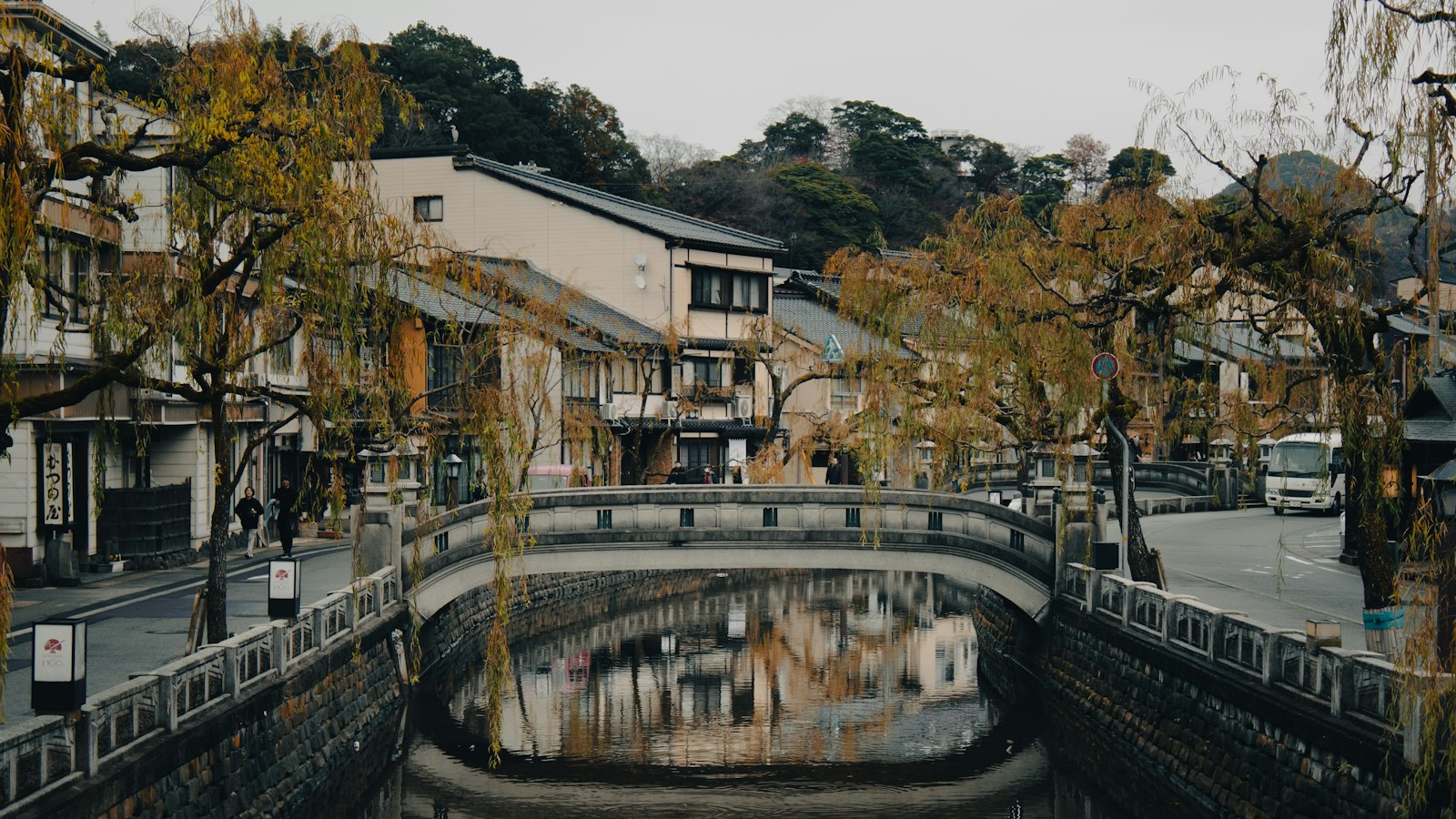
Kinosaki Onsen (Hyogo Prefecture, on the Sea of Japan coast) is a hot-spring town famous for its seven public bathhouses (soto-yu) along a willow-lined canal. Visitors stroll from bath to bath in yukata and wooden geta sandals. Winter is Matsuba snow-crab season (usually November 6 to March 20).
- Bath prices: ¥800 per visit for adults, or the Yumepa day pass for ¥1,500 with unlimited entry to all seven baths that day (¥750 for children). Guests at ryokan in town usually bathe for free.
- Getting there: the JR limited express “Kinosaki” from Kyoto takes about 2 hours 20 minutes; the “Kounotori” from Shin-Osaka takes about 2 hours 35 minutes.
- How long to stay: one night is ideal; a day trip from Osaka or Kyoto works but feels rushed.
We checked these details on November 13, 2026, against the sources listed at the end. Prices, opening hours, each bath's closing day and the crab season can change; check the Kinosaki tourism association's site before you go.
2. Why Visit Kinosaki in Winter?
- A unique onsen experience: instead of bathing in your hotel, the whole town is one big bathhouse. Walking between baths in yukata is the local tradition.
- Snow crab: the waters near Kinosaki are known for Matsuba crab, at its best from mid-November to February. Ryokan crab plans are extremely popular.
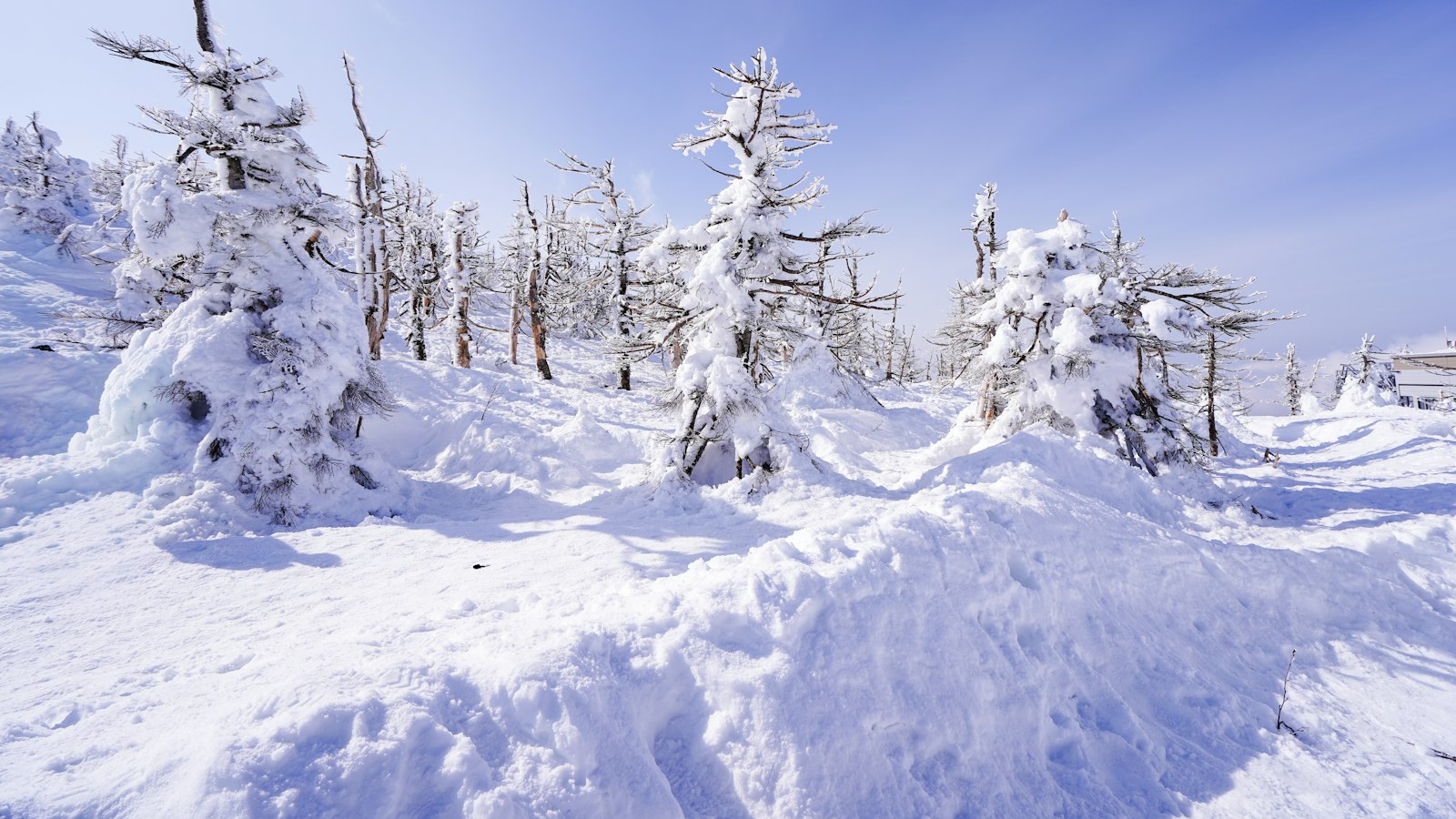
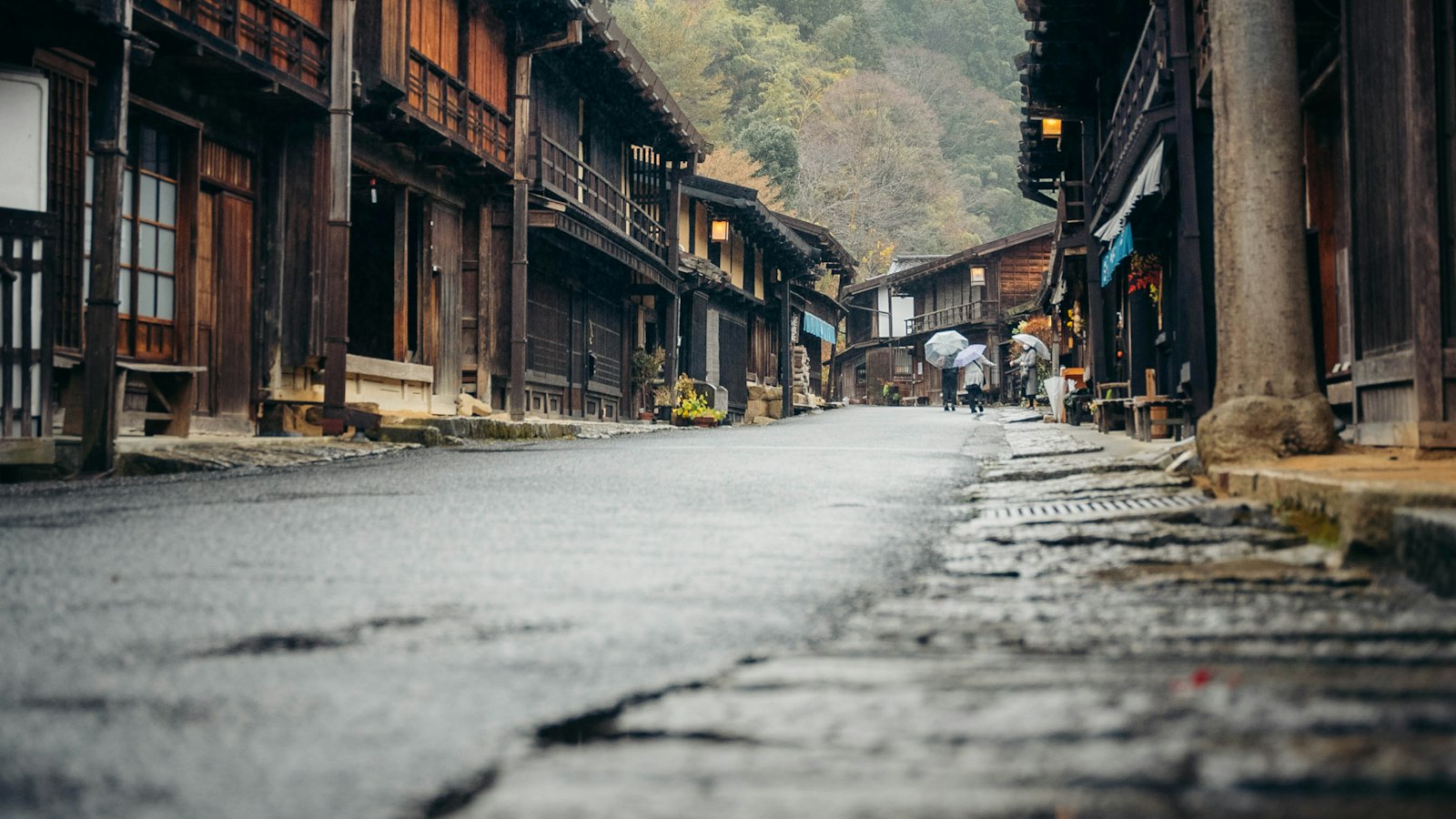
- Snow: on snowy days the willow canal and stone bridges look like a painting, although snow isn't guaranteed every day.
- Tajima beef: the breed behind many famous wagyu brands, available all year.
3. The Seven Public Baths
| Bath | Highlights (summary) |
|---|---|
| Satono-yu | Near the station, large and modern with several bath types; usually open later |
| Jizo-yu | Near the station, simple, good for a quick first soak |
| Yanagi-yu | Small, in the heart of the willow street |
| Ichino-yu | Known for its cave-style bath |
| Gosho-no-yu | Handsome building with an outdoor bath |
| Mandara-yu | Small and quiet, near Onsenji temple |
| Kono-yu | The oldest, near the Mt. Daishi ropeway, with an outdoor bath |
Each bath closes on one fixed day a week (they rotate), and hours differ – NEEDS VERIFICATION of the exact schedule on the tourism association's site. You don't need to visit all seven; three or four in a day is comfortable.
4. Prices and the Yumepa Pass
| Ticket | Adults | Children |
|---|---|---|
| Single bath | ¥800 | ¥400 |
| Yumepa day pass (all seven baths) | ¥1,500 | ¥750 |
| Guests at ryokan in town | Usually free with the card or ticket your ryokan provides | |
The Yumepa pays off from just two baths. Buy it at the reception of any bathhouse. According to our source, this price has applied since April 2023 and is still current in 2026.
5. Onsen Etiquette to Remember
- Wash thoroughly at the shower area before getting into the bath.
- No swimwear; don't let your small towel touch the bath water (put it on your head or to the side).
- Tie up long hair, and don't dive or swim.
- Keep your voice down, and never take photos in bathing areas.
- Tattoos: most of Kinosaki's public baths don't admit visible tattoos. If yours is small, ask about cover patches in advance, or choose a ryokan with a private bath (kashikiri).
- Drink water after bathing, and avoid bathing after heavy drinking.
6. Wearing Yukata and Geta
Ryokan usually lend yukata and geta free of charge, and many let you pick a pattern. Day visitors can rent them from shops in town. In winter, layer a haori jacket or thermal wear underneath, wear socks (tabi) and walk carefully on wet or snowy streets. The left side of the yukata always crosses over the right.
7. Snow-Crab Season and Food
- Matsuba crab (male snow crab): the season usually runs from November 6 to March 20, best from mid-November to February.
- Ryokan crab plans: typically boiled crab, crab sashimi, crab hot pot and rice porridge to finish. Prices vary widely by grade and date; crab-season weekends book up early.
- Street food: steamed buns, ice cream and grilled crab from shops around the canal.
- Tajima beef: steak, sukiyaki or beef rice bowls.
Confirm prices before ordering crab at restaurants, as some charge market rates. For more cold-weather dishes, see our guide to winter food in Japan.
8. Beyond the Baths
- Mt. Daishi Ropeway: views over the town and the Maruyama River; round trip about ¥1,200 (NEEDS VERIFICATION), with a monthly maintenance closure.
- Onsenji Temple: linked to the legend of the hot springs' origin.
- The Otani canal at night: lanterns light the willows, perfect for photos.
- Festival-style games: traditional archery and air-gun stalls in town.
- Genbudo Park: natural basalt columns, a short bus or taxi ride away.
9. Getting to Kinosaki
| From | Train | Time (approx.) |
|---|---|---|
| Kyoto | JR limited express “Kinosaki” (direct) | about 2 hr 20 min |
| Shin-Osaka / Osaka | JR limited express “Kounotori” (direct) | about 2 hr 35 min |
| Tokyo | Shinkansen to Kyoto, then change | about 5 hours or more |
Trains run roughly hourly. Reserve seats on crab-season weekends. Kinosaki is covered by some JR West regional passes (such as the Kansai Wide Area Pass); compare the pass price with single tickets for your actual route (see our guide to choosing a JR regional pass in 2026). From the station the town is walkable; the farthest points, Kono-yu and the ropeway, are about 15 minutes on foot.
10. Suggested Itineraries
One Night (Recommended)
- Day 1, afternoon: arrive, drop your bags at your ryokan and soak at Satono-yu or Jizo-yu near the station.
- Late afternoon: change into yukata, walk the canal and try Ichino-yu and Gosho-no-yu.
- Evening: a crab dinner at your ryokan, then a stroll under the lanterns and one more bath.
- Day 2, morning: a morning soak at Kono-yu, the Mt. Daishi ropeway if the weather is clear, souvenirs and departure.
Day Trip
- Early train from Kyoto or Osaka, arriving around noon.
- Buy the Yumepa, have crab or Tajima beef for lunch and visit three baths.
- Evening train back; check the last departure.
11. Choosing and Booking a Ryokan
- Rooms in crab season (especially weekends and year-end) fill up early; book a few months ahead.
- Check what a “crab plan” includes: the type of crab (tagged local Matsuba crab or imported), the quantity and whether a hot pot is included.
- If you have tattoos or want privacy, choose a ryokan with an in-room bath or a private bath you can reserve.
- Some ryokan accept limited payment methods; ask in advance if you want to pay by card.
12. Weather and What to Pack
- Winter on the Sea of Japan coast is cold and damp, with frequent sleet or snow; bring a warm coat, gloves and a folding umbrella.
- Bring warm socks for walking in geta; some ryokan lend haori jackets.
- A small bag for your towel, phone and Yumepa pass while walking between baths.
For more on staying warm in Japan's cold season, see our guide to keeping warm in winter in Japan.
13. Common Mistakes to Avoid
- Not checking closing days: each bath closes one day a week, which might be the day you planned to go.
- Booking late in crab season: weekends from December to February often sell out.
- Taking your phone into the bathing area: use the lockers, and never take photos inside.
- Rushing in geta on slippery streets: walk slowly, especially in snow.
- Soaking too long: hot water can make you dizzy; rest and drink water between baths.
14. Your Phone and Mobile Data
You'll need data to check return trains, look up each bath's closing day, use the town map and translate crab menus. Ryokan usually have Wi-Fi, but free Wi-Fi while walking between baths is unreliable (see our guide to free Wi-Fi in Japan). Keep your phone in a waterproof pouch as you go from bath to bath.
Need mobile data during your Japan trip? Compare HD Telecom's available eSIM and Wi-Fi options, and check device compatibility before choosing a plan. Visitors can read our guide to travel eSIMs for 5–14 day trips. For longer stays, see HD Telecom's Monthly Data eSIMs (your phone must support eSIM) and Monthly Pocket WiFi rentals, and check each plan's data allowance, the speed after the allowance runs out and the terms on the product page.
15. Estimated Costs for One Night
| Item | Estimate |
|---|---|
| Round-trip limited express from Kyoto or Osaka (reserved seat) | roughly ¥10,000–12,000 – NEEDS VERIFICATION by route and season |
| Ryokan with dinner and breakfast (per person, winter) | varies widely; crab plans cost considerably more than standard plans |
| Yumepa pass (day visitors) | ¥1,500 |
| Mt. Daishi Ropeway round trip | about ¥1,200 – NEEDS VERIFICATION |
| Snacks, drinks and souvenirs | about ¥2,000–5,000 |
These are rough figures for planning. Crab plans are the biggest variable: check exactly what's included and whether the crab is local tagged Matsuba crab before you compare prices.
16. Photography Tips
- Blue hour: the canal looks best just after sunset, when the sky is still blue and the lanterns are lit.
- Snowy mornings: if it snows overnight, go out early before footprints and traffic spoil the scene.
- Respect privacy: many visitors walk in yukata; ask before photographing people up close, and never take photos near bathhouse entrances where people are changing.
- Protect your phone: moving between warm baths and cold streets can cause condensation; let your phone adjust inside a pouch.
17. Combining Kinosaki with Other Trips
- Kyoto: the most common pairing; go to Kinosaki for one night in the middle of a Kyoto stay.
- Amanohashidate: one of Japan's three famous views, reachable on the Kyoto Tango Railway, though connections take planning.
- Himeji: the Kounotori line passes through the Himeji area via connections; combine the castle with a night in Kinosaki.
For moving bags between cities, consider sending large suitcases ahead (see our guide to luggage forwarding in Japan).
18. Kinosaki in Other Seasons
- Spring (April): cherry blossoms and fresh willow leaves along the canal.
- Summer: fireworks over the town and fireflies in early summer; yukata strolls are especially pleasant on warm evenings.
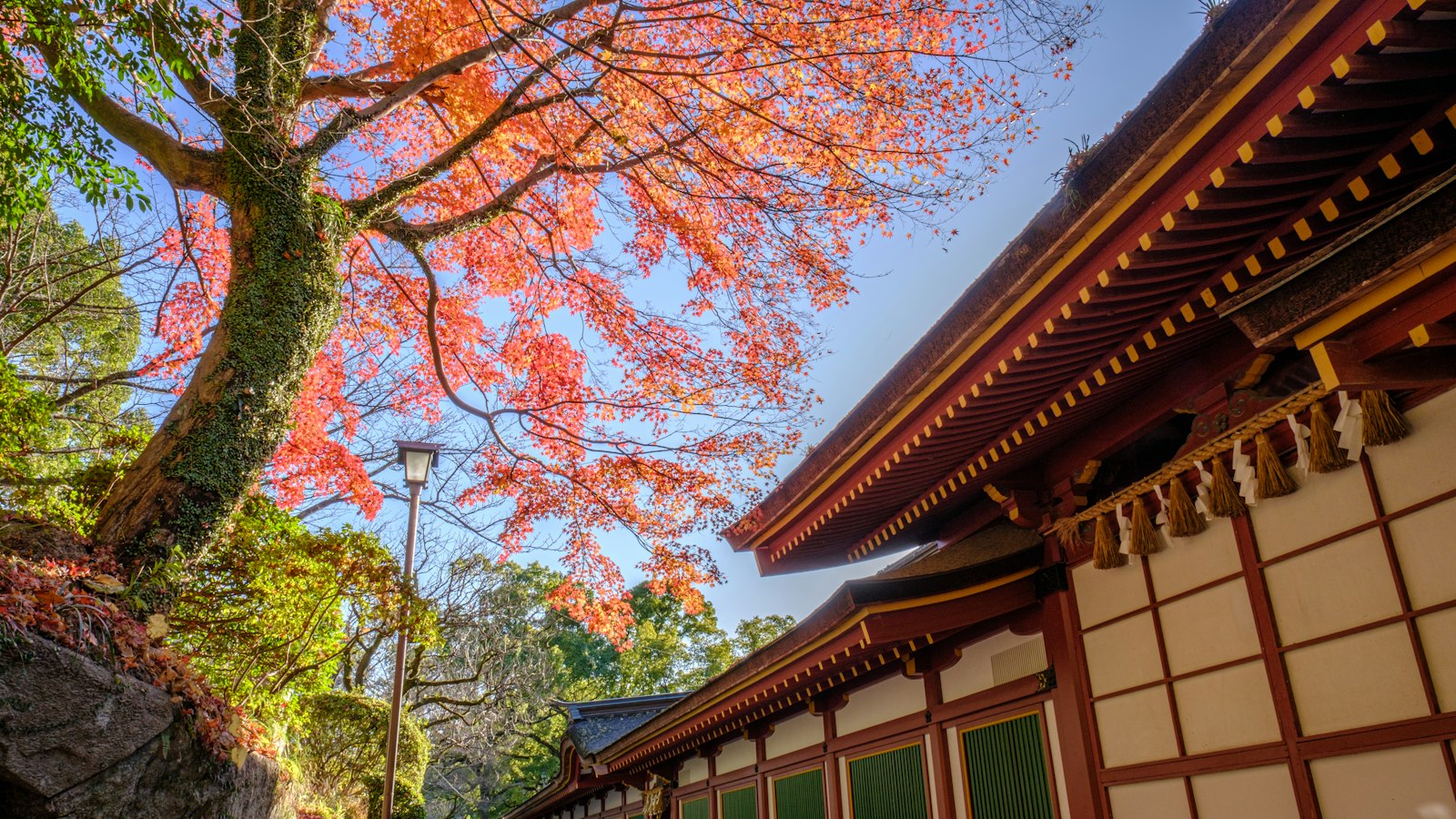
- Autumn: foliage on Mt. Daishi and the start of crab season in November.
Winter remains the most popular season because of the crab, so prices and crowds peak then. If you prefer a quieter, cheaper stay, consider early November or March.
19. FAQ
Do I need to book the public baths?
No. Buy tickets at the counter. Some baths get busy at weekends, so you may have to wait.
Can I use the baths without staying at a ryokan?
Yes. Day visitors buy single tickets or the Yumepa.
Are the baths mixed-gender?
The public baths have separate men's and women's sections. Curtains are usually marked 男 (men) and 女 (women).
Is Kinosaki good with young children?
Yes, children have their own prices. The water is hot, so keep soaks short and make sure they drink water.
Is snow guaranteed in January?
No. Kinosaki gets snow on some winter days, but it isn't always covered in white.
Can I bring my own towel?
Yes. Ryokan guests usually get towels; day visitors can bring their own or buy one at the baths.
What should I do if I feel dizzy while bathing?
Get out slowly, sit in the changing room, drink water and rest. Hot water and alcohol together are a common cause. Tell staff if you feel unwell.
Can I visit Kinosaki on a JR Pass?
The nationwide JR Pass covers JR limited expresses to Kinosaki Onsen, and some regional passes do too. Check that the specific train and seat type are included before you board.
Is Kinosaki crowded?
Weekends in crab season and holidays are busy, especially in the evening. Weekdays and early mornings are much quieter.
20. Conclusion
Kinosaki Onsen is a wonderful winter break from Kyoto or Osaka: seven public baths, yukata strolls along a willow canal and a snow-crab dinner. Buy the Yumepa on a day trip, book your ryokan early in crab season, check each bath's closing day and keep your phone connected to follow train times.
Sources (checked November 13, 2026)
Related products
Find your plan with HD TELECOM
SIM, eSIM and Pocket WiFi — genuine quality, clear pricing, 24/7 support.