
Jigokudani Snow Monkeys: Watching Monkeys Bathe in the Snow, Prices and Access
November 13, 2026
1. Quick Answer
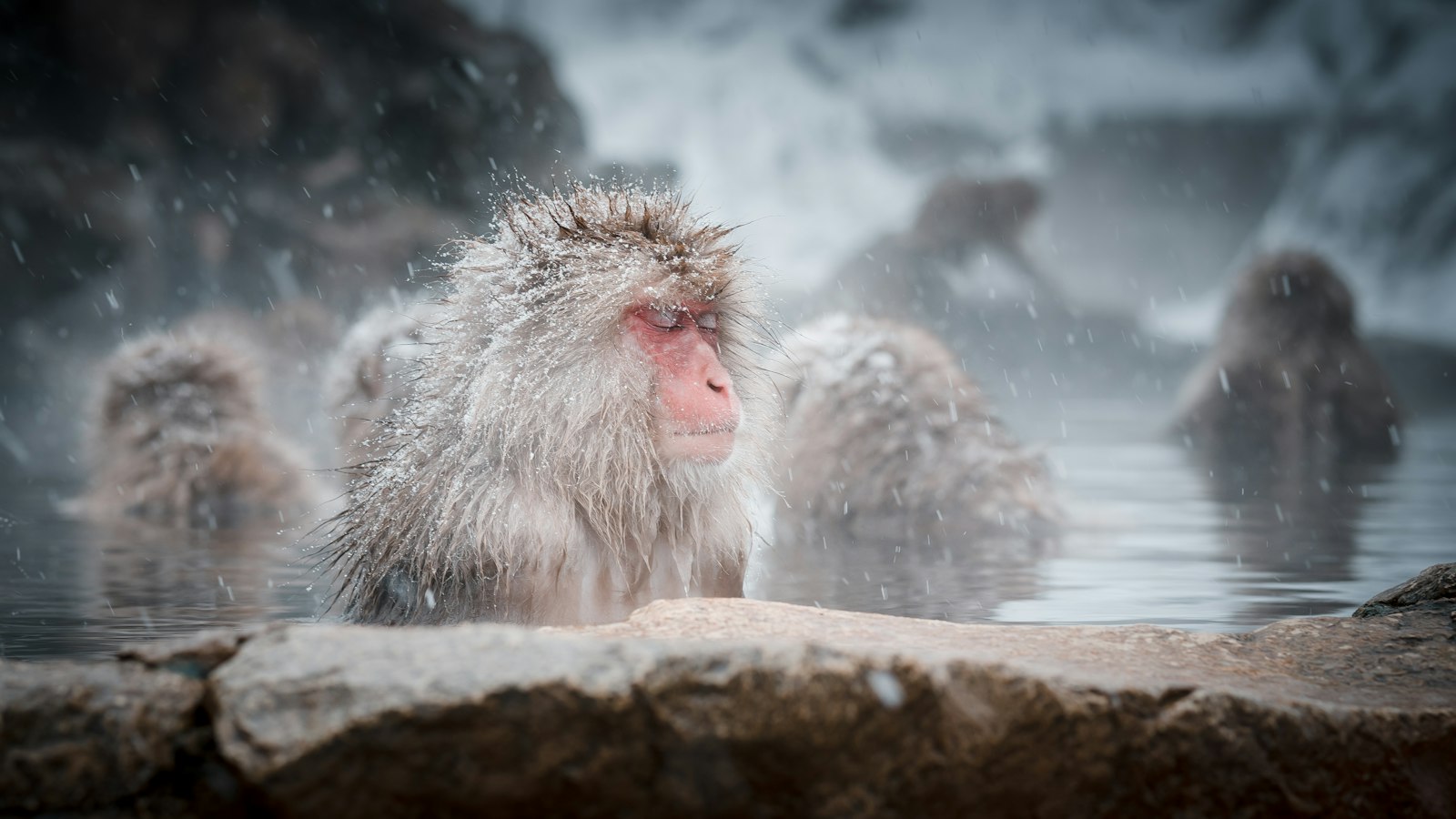
Jigokudani Monkey Park (Jigokudani Yaen-koen, Nagano Prefecture) is one of the few places in the world where you can watch wild monkeys soaking in a hot spring surrounded by snow. The snowy season, from December to March, is the best time to go.
- Admission: ¥800 for adults, ¥400 for children aged 6–17.
- Winter hours (November–March): about 9:00–16:00; green season (April–October): about 8:30–17:00.
- The walk: 1.6 km each way through cedar forest, about 25–35 minutes; snowy and icy in winter, so grippy boots are essential.
- Getting there: Hokuriku Shinkansen from Tokyo to Nagano, then an express bus of about 45 minutes (¥3,000) or the Nagaden train to Yudanaka (about 45 minutes, ¥1,660) plus a local bus.
The monkeys are wild and don't appear every day. Check the park's live camera or announcements before you go.
We checked these details on November 13, 2026, against the sources listed at the end. Prices, hours, advance-ticket rules and bus schedules can change; check the park's official site and Nagaden before you go.
2. What Makes Jigokudani Special?
Japanese macaques (snow monkeys, Macaca fuscata) live farther north and in colder conditions than any other non-human primate. At Jigokudani (“Hell Valley,” named for the steam rising from the rocks), a troop has learned to bathe in a hot-spring pool built for them. The image of a monkey sitting in steaming water with snow on its head has become a symbol of winter in Japan.
The park is open outside winter too: spring (April–May) brings newborn babies, and autumn (October–November) brings colorful leaves. But for the classic “snow monkey” scene, January and February are the best months.
3. Admission and Opening Hours
| Item | Details |
|---|---|
| Adults (18+) | ¥800 |
| Children (6–17) | ¥400 |
| Under 6 | Free |
| Winter (November–March) | about 9:00–16:00 |
| Green season (April–October) | about 8:30–17:00 |
| Advance tickets | According to a local information site, online advance tickets may be required in peak season from December to March – NEEDS VERIFICATION on the park's official site |
Hours can change with weather and the monkeys' behavior, and the park may close in bad weather.
4. Getting There from Tokyo and Nagano
Tokyo to Nagano
The Hokuriku Shinkansen from Tokyo to Nagano takes about 1.5 hours depending on the train. The nationwide JR Pass covers this leg; the onward Nagaden train and buses are not covered.
Nagano to the Park
| Route | Time | Fare (adults) |
|---|---|---|
| Nagaden express bus (Shiga Kogen line) from Nagano Station East Exit to the Snow Monkey Park stop | about 45 min | ¥3,000 |
| Nagaden train from Nagano Station (B1F) to Yudanaka Station | about 45 min | ¥1,660 |
| Local bus from Yudanaka to the Snow Monkey Park stop | about 8 min | ¥390 |
From the bus stop to the monkey area, allow about 30–35 minutes on foot, including the 1.6 km forest trail. Fares can change; check Nagaden's site.
5. The Snow Monkey 1-Day Pass
- Train and local bus pass: ¥5,100 for adults, ¥2,550 for children (6–12). Unlimited one-day travel on Nagaden trains and buses between Nagano and Jigokudani, plus park admission.
- Express bus pass: ¥6,800 for adults, ¥3,400 for children. Park admission plus a round-trip express bus from Nagano Station East Exit.
- Where to buy: the Nagaden ticket window at Nagano Station (B1F).
Add up the single fares for your route. If you also visit Shibu Onsen or Obuse, the train pass usually works out better.
6. The Walk to the Park
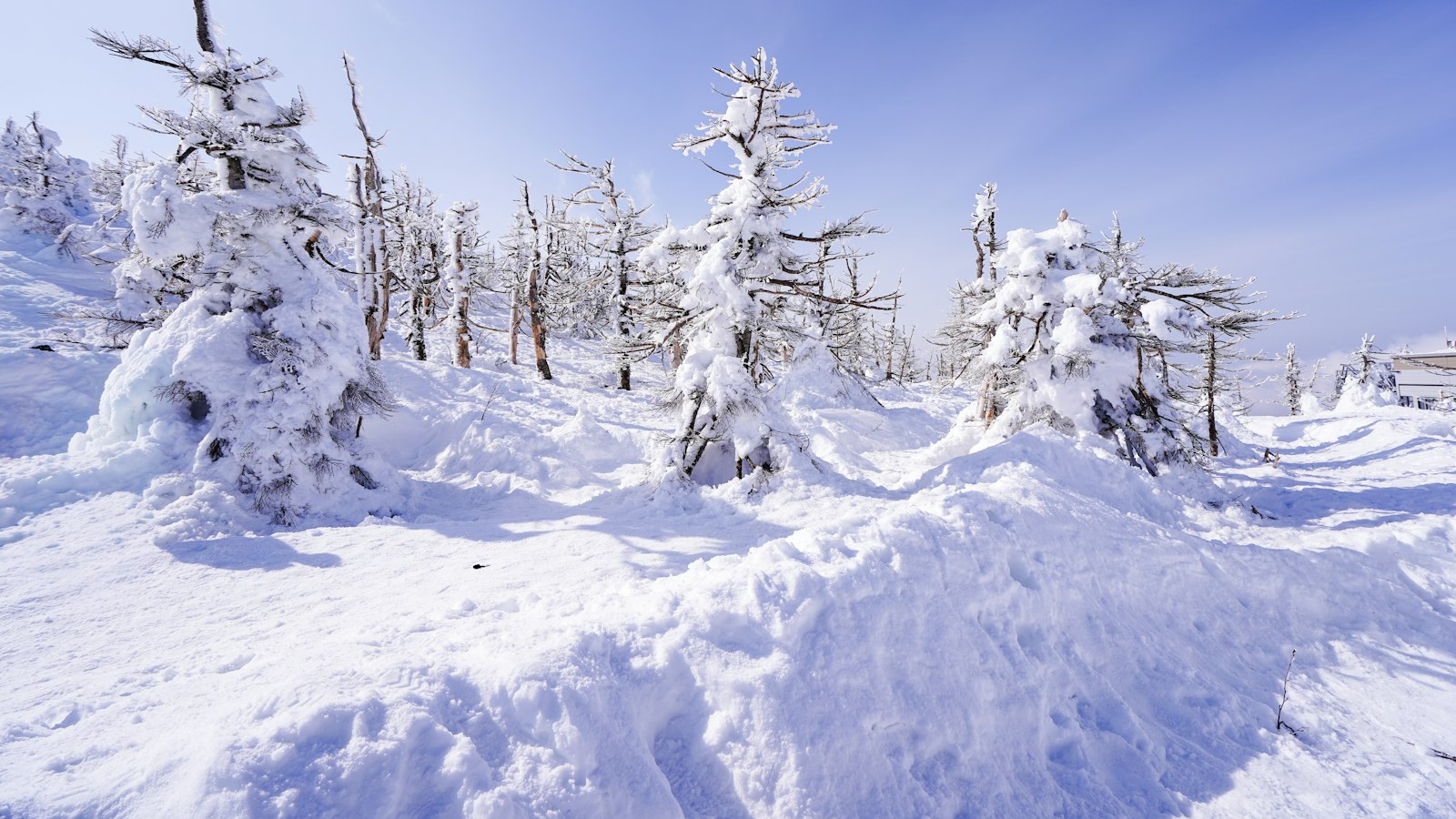
The 1.6 km trail runs through cedar forest. It's fairly flat, but the last part has stairs and a slope. In winter it's covered in deep snow and ice:
- Wear winter boots with good grip; crampons (ice cleats) are a good idea. The info shop at the trailhead rents boots and crampons.
- Wheelchairs and strollers can't reach the monkey area.
- There's nowhere to buy food on the trail; bring water, but don't eat or drink inside the park.
- Total time: plan about 2.5–3 hours for the round-trip walk and monkey watching.
7. Rules for Watching the Monkeys
- Don't feed the monkeys, and keep food out of sight.
- Don't touch them; keep 1–2 m away and avoid staring into their eyes.
- No flash photography and no selfie sticks.
- No eating or drinking in the park or on the trail.
- The hot-spring pool is for the monkeys only; people can't bathe in it.
- Keep plastic bags and handbags secured; monkeys may grab things.
8. Combine It with Shibu Onsen and Yudanaka
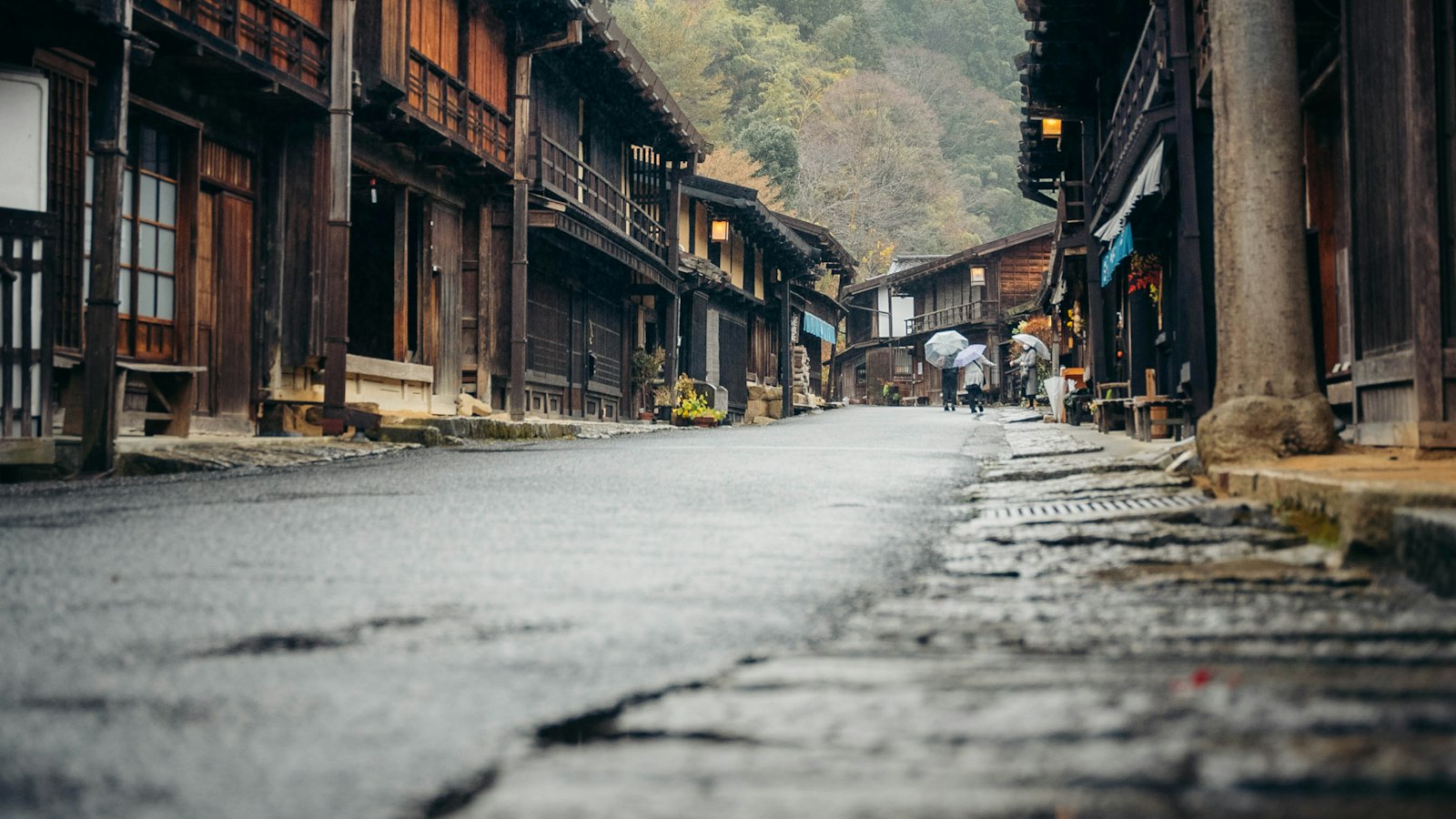
Yudanaka–Shibu Onsen is a historic hot-spring area right next to the park. Shibu is known for its multi-story wooden ryokan and cobbled streets. Guests staying in Shibu can usually use the town's nine small public bathhouses (bath-hopping with a key from the ryokan) and stroll in yukata and geta. Staying a night lets you enter the park right at opening, before the day-trippers from Tokyo arrive.
For another snowy onsen experience, see our guide to Ginzan Onsen in the snow.
9. Suggested Itineraries
Day Trip from Tokyo
- Early Shinkansen to Nagano (about 1.5 hours).
- Express bus to Snow Monkey Park, walk in and watch the monkeys for about an hour.
- Lunch of Shinshu soba in Yudanaka or near the trailhead.
- Afternoon: back to Nagano, visit Zenkoji temple if time allows, and return to Tokyo in the evening.
Two Days, One Night (Recommended)
- Day 1: reach Nagano by midday, visit Zenkoji, head to Yudanaka in the afternoon and stay at a ryokan in Shibu Onsen.
- Day 2: enter the park at opening; in the afternoon visit Obuse (chestnut sweets) or ski at Shiga Kogen.
10. Other Sights Nearby
- Zenkoji Temple (Nagano): a major temple with about 1,400 years of history, around 30 minutes on foot or a few minutes by bus from Nagano Station.
- Obuse: a small town famous for chestnuts and the Hokusai Museum, on the Nagaden line.
- Shiga Kogen and Nozawa Onsen: major ski areas; if you're new to skiing, see our guide to skiing in Japan for the first time.
11. Weather and What to Pack
- In January and February, temperatures around the park are usually below 0°C, and some days are very cold.
- A waterproof jacket, gloves, a warm hat, thick socks and disposable heat packs (kairo).
- Phone batteries drain fast in the cold; bring a power bank and keep your phone in an inside pocket.
- A small zoom lens is enough; a big tripod isn't practical on the narrow trail.
For more on keeping warm, see our guide to staying warm in winter in Japan.
12. Common Mistakes to Avoid
- Wearing ordinary sneakers in winter: the icy trail is very slippery.
- Not checking whether the monkeys are there: some days they don't come down to the pool; check the live camera first.
- Arriving at midday on a weekend: the busiest time; go early or stay in Shibu Onsen.
- Underestimating the walk: it takes about 30–35 minutes each way from the bus stop to the monkeys.
- Not checking return buses: afternoon services can be sparse in winter.
13. Your Phone and Mobile Data
You'll need data to check the park's live camera, Nagaden bus times, buy online tickets if required and call a taxi in Yudanaka. There's almost no free Wi-Fi on the forest trail (see our guide to free Wi-Fi in Japan). Download offline maps and screenshot your tickets before you set off.
Need mobile data during your Japan trip? Compare HD Telecom's available eSIM and Wi-Fi options, and check device compatibility before choosing a plan. Visitors can read our guide to travel eSIMs for 5–14 day trips. For longer stays, see HD Telecom's Monthly Data eSIMs (your phone must support eSIM) and Monthly Pocket WiFi rentals, and check each plan's data allowance, the speed after the allowance runs out, coverage and the terms on the product page.
14. Estimated Costs for a Day Trip from Tokyo
| Item | Estimate |
|---|---|
| Hokuriku Shinkansen Tokyo–Nagano round trip | roughly ¥16,000–17,000 (reserved seat) – NEEDS VERIFICATION |
| Snow Monkey 1-Day Pass (express bus) | ¥6,800 |
| Boot or crampon rental | varies – NEEDS VERIFICATION at the trailhead shop |
| Lunch (soba or set meal) | about ¥1,200–2,000 |
These are rough figures. If you have a nationwide JR Pass, the Shinkansen leg is covered, but the Nagaden train and buses are not.
15. Photography Tips
- Snowfall: light snow makes for the most atmospheric photos of monkeys in the pool.
- Steam: on very cold mornings, steam rises from the water; arrive early to capture it.
- Settings: snow can fool your camera into underexposing; increase exposure slightly so the snow looks white, not gray.
- Distance: a moderate zoom lets you fill the frame without approaching the monkeys. Never lean over the pool or block other visitors for long.
- Batteries: keep spare batteries warm in an inside pocket.
16. Where to Stay
- Shibu Onsen: historic ryokan and bath-hopping; best for an early start at the park.
- Yudanaka Onsen: near the Nagaden terminus, with a range of inns.
- Kanbayashi Onsen: closest to the trailhead, with a few ryokan.
- Nagano city: convenient if you want hotels near the Shinkansen and Zenkoji.
Winter weekends and Chinese New Year can be busy, so book early.
17. Visiting in Other Seasons
- Spring (April–May): newborn monkeys appear, and the forest trail is easier to walk without snow.
- Summer: the monkeys bathe less often, but the park is green and cool compared with Tokyo.
- Autumn (October–November): colorful leaves around the valley, and the first snow can arrive in late November.
If your main goal is the classic snow-monkey photo, plan for January or February and keep your dates flexible in case of storms.
18. Responsible Wildlife Watching
The monkeys are wild animals living in their natural habitat. Staying calm, quiet and at a distance protects both you and them. Don't make sudden movements, don't show your teeth (a threat signal for monkeys) and don't come between a mother and her baby. Follow staff instructions at all times, and leave the park as you found it, taking all your rubbish with you.
19. FAQ
Am I guaranteed to see monkeys bathing?
No, but in winter they bathe more often. Check the live camera in the morning before you leave.
Is a day trip from Tokyo realistic?
Yes. Round-trip travel takes about 5–6 hours in total, so start early.
Can young children come?
Children who can walk the trail are fine, but it's slippery in winter. Strollers aren't suitable; a baby carrier works better.
Where can I leave luggage?
There are coin lockers at Nagano Station. Don't bring big suitcases on the trail (see our guide to luggage storage in Japan).
Can I drive there?
Yes, but you'll need snow tires in winter, and parking near the park can be restricted on peak weekends.
How long should I spend with the monkeys?
Most visitors spend 45 minutes to an hour at the pool area. Photographers may want longer, but dress warmly as you'll be standing still in the cold.
Is the park open on rainy or snowy days?
Usually yes, and snowfall often makes for the best photos. It may close in severe weather, so check announcements in the morning.
Are there toilets and shops near the park?
There are facilities at the trailhead area and basic toilets near the park entrance. Buy snacks and drinks before you start the walk, as there are none on the trail.
Can I visit in rain?
Yes, but the trail gets muddy or icy. Waterproof boots and a rain jacket are essential.
Is there an age limit?
No. Children under six enter free, but they must be able to walk the trail or be carried.
20. Conclusion
Watching wild monkeys soak in a hot spring amid the snow at Jigokudani is an unforgettable winter experience and easy to reach from Tokyo via Nagano. Go in January or February, wear grippy boots, check the live camera and ticket rules, consider a night in Shibu Onsen, and keep your phone charged and connected to track bus times.
Sources (checked November 13, 2026)
Related products
Find your plan with HD TELECOM
SIM, eSIM and Pocket WiFi — genuine quality, clear pricing, 24/7 support.