
Autumn Leaves in Fukuoka: Akizuki, Dazaifu and City Spots
November 12, 2026
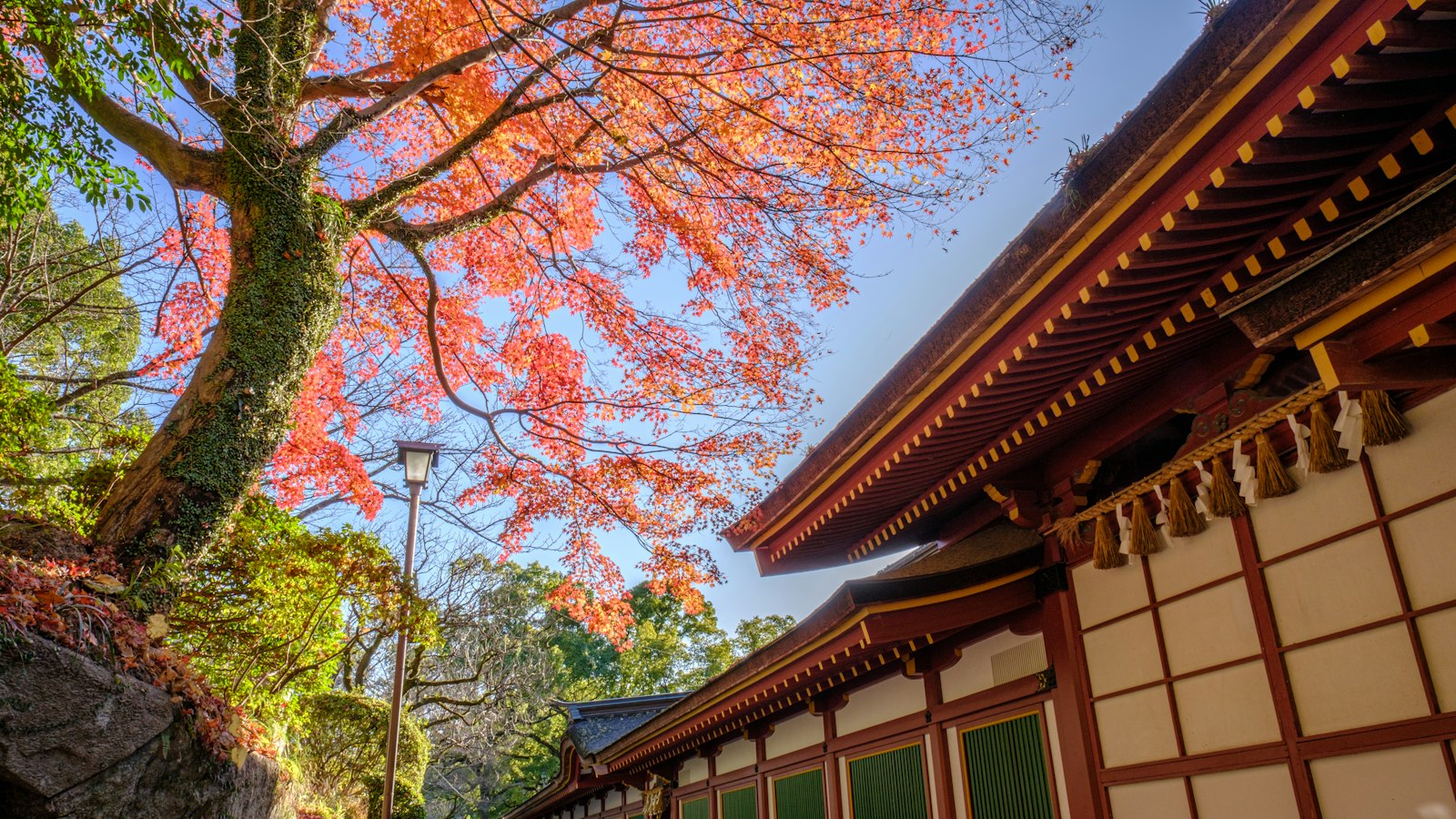
1. Quick Answer
Fukuoka (Kyushu) changes color later than Tokyo or Kyoto: lowland foliage usually peaks from mid-November to early December. If you're in Fukuoka in late November, these are the best options:
- In the city: Yusentei Garden (¥200), Momiji Hachimangu Shrine (free), Ohori Park's Japanese garden and Maizuru Park.
- Dazaifu (about 30–40 minutes away): Kamado Shrine (Homangu Kamado Jinja, free), the moss garden of Komyozenji temple and Dazaifu Tenmangu.
- Akizuki (about an hour away): the “Little Kyoto of Kyushu,” with a maple-lined slope leading to castle ruins, free.
- Itoshima: Raizan Sennyoji temple and its roughly 400-year-old maple (you'll need a car or taxi).
Day one in Dazaifu and Akizuki, day two around the city with a yatai food stall for dinner, makes a good two-day plan.
We checked these details on November 12, 2026, against the sources listed at the end. Foliage timing, opening hours, fees and 2026 light-up schedules may differ from previous years; check each site's official page before you go.
2. Why Fukuoka in Autumn?
- A late season: if you missed the foliage in Tokyo or Kyoto, Kyushu still has color in late November and early December.
- Close to the airport: Fukuoka Airport is only about five minutes by subway from Hakata Station, which is perfect for short trips.
- Food: tonkotsu ramen, motsunabe (beef offal hot pot), mentaiko (spicy cod roe) and yatai stalls along the Naka River.
- Fewer crowds: foliage spots are generally less packed than Kyoto, apart from peak weekends in Dazaifu and Akizuki.
3. Fukuoka Autumn Foliage Spots at a Glance
| Spot | Area | Usual peak | Fee | Notes |
|---|---|---|---|---|
| Akizuki Castle Ruins | Asakura | Late Nov – early Dec | Free | Old town, maple-lined slope |
| Kamado Shrine (Homangu Kamado Jinja) | Dazaifu | Mid – late Nov | Free | Illuminated during its maple festival |
| Komyozenji Temple | Dazaifu | Late Nov | Fee charged (NEEDS VERIFICATION) | Rock and moss gardens; photography limited in places |
| Raizan Sennyoji Daihioin | Itoshima | Mid – late Nov | Temple ¥500; plus ¥200 mountain fee in November | Ancient maple; best by car |
| Yusentei Garden | Fukuoka City | Late Nov – early Dec | ¥200 | Closed Mondays; autumn evening event |
| Momiji Hachimangu | Fukuoka City | Late Nov – early Dec | Free | 7-min walk from Fujisaki subway station |
| Ohori and Maizuru Parks | Fukuoka City | Late Nov | Parks free; Japanese garden charged | Lakeside walks, golden trees |
Peak timing changes with each year's weather. Check weekly foliage forecasts before you go.
4. Akizuki: the “Little Kyoto of Kyushu”
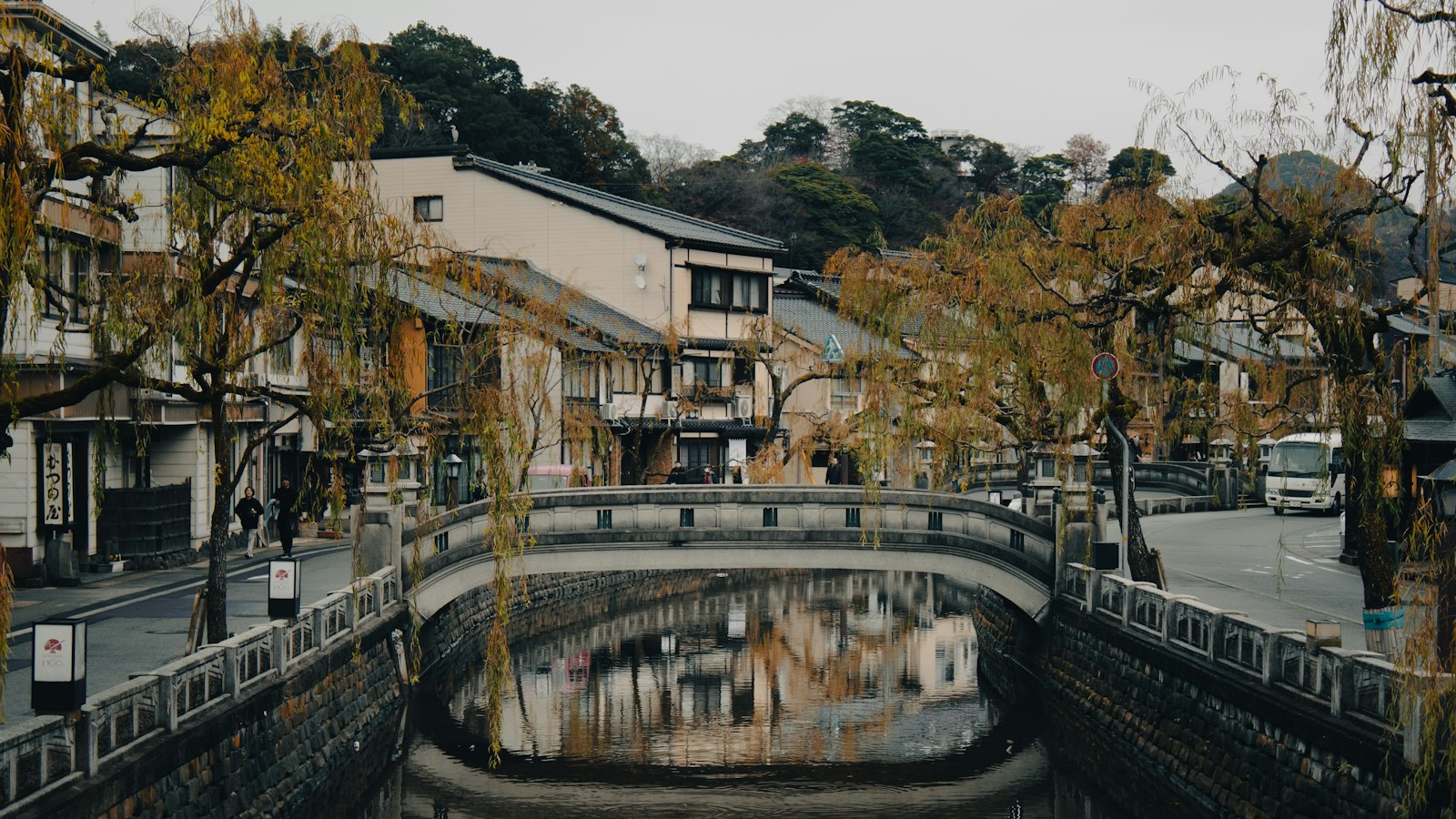
Akizuki is a former castle town in Asakura City, famous for the Sugi-no-baba slope: the approach to the castle ruins, lined with cherry and maple trees. In late autumn the maples turn red and form a tunnel of leaves. The castle ruins and the slope are free.
- Getting there: from Tenjin or Hakata, take the Nishitetsu or JR line to Amagi Station, then a bus of about 20 minutes to Akizuki (Hakubutsukan-mae stop).
- Don't miss: the Kuromon gate, the Meganebashi stone bridge, temples, traditional sweet shops and the local kudzu (arrowroot) specialties.
- Note: on peak weekends, traffic jams and crowded buses are common; go on a weekday or arrive before 10 a.m.
5. Dazaifu: Kamado Shrine, Komyozenji and Tenmangu
Kamado Shrine (Homangu Kamado Jinja)
At the foot of Mount Homan, the shrine is known for matchmaking prayers. In autumn its grounds are covered in red maples, and during its maple festival (momiji matsuri) at peak season it's illuminated after dark. From Nishitetsu Dazaifu Station, take the “Mahoroba” community bus to the last stop, Uchiyama (about 10 minutes, ¥100), then walk a short way. 2026 illumination dates NEED VERIFICATION on the shrine's site.
Komyozenji Temple
A small Zen temple near Dazaifu Tenmangu, with a dry rock garden and a moss garden covered in maple leaves. It's very quiet; visitors usually sit on the veranda to view the garden. There's a small admission fee and photography may be restricted in some areas; hours and fees NEED VERIFICATION.
Dazaifu Tenmangu
Kyushu's most famous shrine, dedicated to Sugawara no Michizane, the deity of learning. The approach street sells umegae mochi (grilled rice cakes filled with red-bean paste) and has a Starbucks built from interlocking wooden sticks. Autumn isn't plum-blossom season, but the grounds still have red leaves and are worth a stop.
Getting to Dazaifu: from Nishitetsu Fukuoka (Tenjin) Station, take the Nishitetsu line, usually changing at Futsukaichi, about 30–40 minutes in total. There are also direct buses from Hakata Station.
6. Itoshima: Raizan Sennyoji Temple
A mountainside temple on Mount Raizan, famous for a large maple of about 400 years in its garden. According to the source we checked, temple admission is ¥500 for adults, plus a ¥200 mountain-area fee in November. Leaves usually peak in mid- to late November.
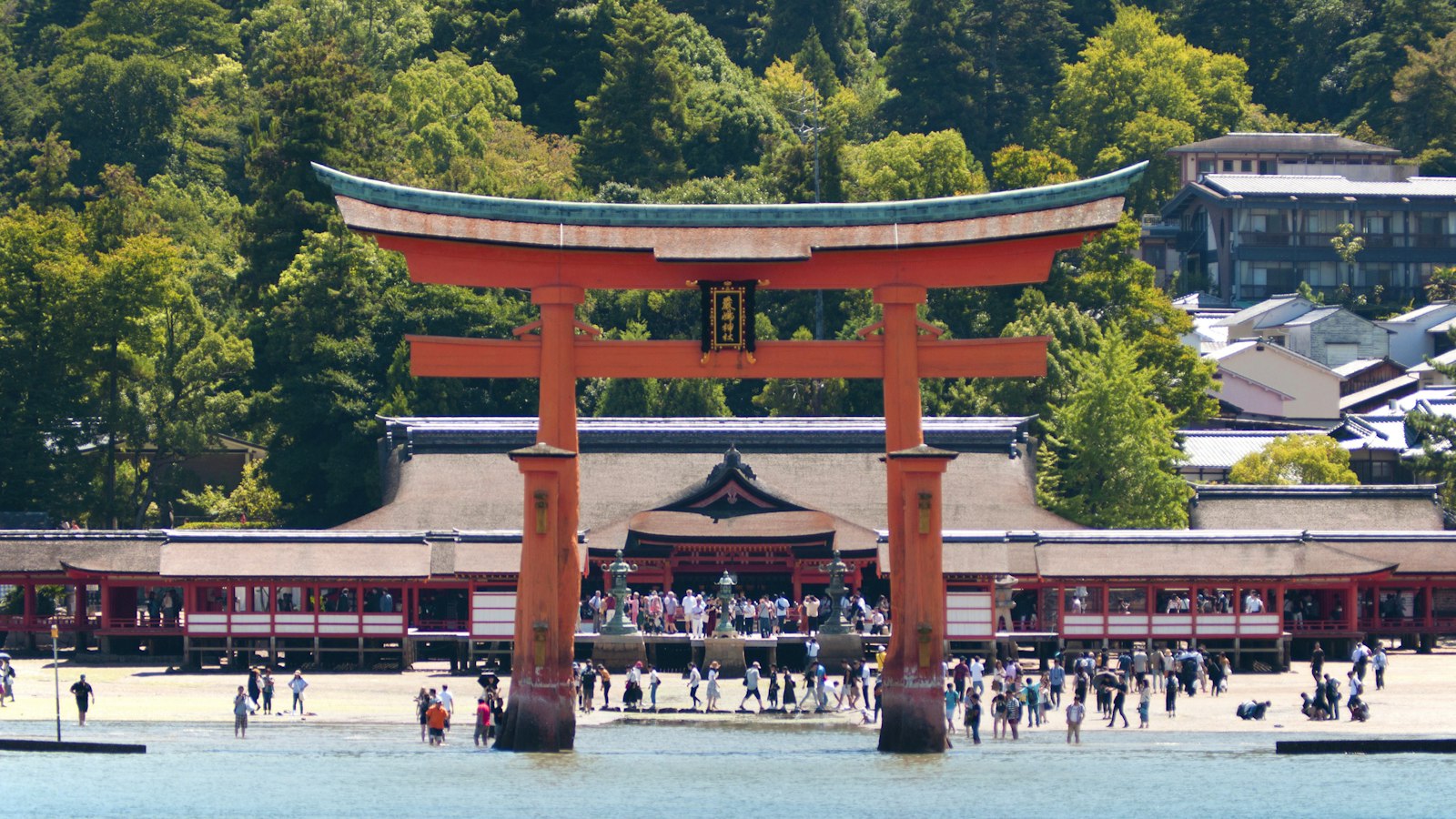
It's about 20 minutes by car from JR Chikuzen-Maebaru Station; public transport is limited, so a rental car or taxi is best. Combine it with the Itoshima coast, known for seaside cafés and the torii gate in the sea at Sakurai Futamigaura.
7. Spots in Fukuoka City
Yusentei Garden
A Japanese pond garden in Jonan Ward, once a feudal lord's villa. Sit on tatami, drink matcha and look out over the pond and red leaves. Adults pay ¥200; it's open 9:00–17:00 and closed on Mondays (or the next day if Monday is a holiday). In autumn there's an evening event with illumination and projection mapping (2026 hours NEED VERIFICATION). From the city center, take a Nishitetsu bus to the Yusentei stop and walk about five minutes.
Momiji Hachimangu Shrine
As the name suggests (momiji means maple), this shrine is full of maples and is illuminated during its maple festival. It's free and about a seven-minute walk from Exit 4 of Fujisaki Station on the Airport subway line.
Ohori Park and Maizuru Park
Ohori Park has a large lake for strolling and a small, paid Japanese garden that's usually closed on Mondays – NEEDS VERIFICATION of current prices and hours. Next door, Maizuru Park holds the Fukuoka Castle ruins and golden trees around the moat, free to enter. The two are easy to combine in an afternoon.
8. Suggested Two-Day Itinerary
Day 1: Dazaifu and Akizuki
- Morning: take the Nishitetsu line to Dazaifu; visit Tenmangu and Komyozenji before the crowds.
- Late morning: the Mahoroba bus up to Kamado Shrine.
- Afternoon: continue to Amagi Station and take the bus to Akizuki; walk the Sugi-no-baba slope and the old town.
- Evening: back in Fukuoka for motsunabe or ramen.
On public transport this is a full day; split Akizuki into its own day if you'd rather not rush.
Day 2: Fukuoka City
- Morning: Yusentei Garden with matcha by the pond.
- Lunch: in Nishijin or Tenjin.
- Afternoon: Momiji Hachimangu, then Ohori and Maizuru parks.
- Evening: dinner at yatai stalls in Nakasu or Tenjin.
Have a car? Swap day two for Itoshima: Raizan Sennyoji in the morning, the coast and cafés in the afternoon.
9. Fukuoka Food in Autumn
- Hakata tonkotsu ramen: rich pork-bone broth and thin noodles; order “kaedama” for a noodle refill.
- Motsunabe: beef offal hot pot with cabbage and garlic chives, perfect for cool weather.
- Mizutaki: a clear chicken hot pot, a Hakata specialty.
- Mentaiko: spicy cod roe, eaten with rice or bought as a souvenir.
- Yatai: outdoor food stalls with only a few seats each; have one dish and move on. Some are cash-only.
Autumn is also sweet-potato and chestnut season; see our guide to autumn food in Japan.
10. Getting Around: IC Cards, Passes and Buses
- IC cards (Suica, ICOCA, nimoca, SUGOCA and others) work on the subway, Nishitetsu, JR and most buses in Fukuoka.
- Nishitetsu sells tourist tickets combining train and bus to Dazaifu or Yanagawa; prices and conditions NEED VERIFICATION on the Nishitetsu site.
- Buses to Akizuki and Kamado Shrine are infrequent; check return times before you set out.
- Traveling on around Kyushu? See our guide to choosing a JR regional pass in 2026.
If you're flying into Fukuoka domestically, our guide to budget domestic flights compares the LCCs.
11. Weather and What to Pack
- In late November, Fukuoka days are about 13–18°C, with colder evenings, especially in hilly areas like Akizuki and Raizan.
- Wear walking shoes: the Akizuki slope, Kamado Shrine and Raizan all have stone steps.
- Carry cash for temple fees, local buses and yatai.
12. Your Phone and Mobile Data
Heading out to places like Akizuki or Raizan, you'll need data to check infrequent buses, call a taxi, follow updated foliage forecasts and find your way around old towns. Free Wi-Fi at these spots is often missing or unreliable (see our guide to free Wi-Fi in Japan).
Need mobile data during your Japan trip? Compare HD Telecom's available eSIM and Wi-Fi options, and check device compatibility before choosing a plan. Visitors can read our guide to travel eSIMs for 5–14 day trips. For longer stays, see HD Telecom's Monthly Data eSIMs (your phone must support eSIM) and Monthly Pocket WiFi rentals, and check each plan's data allowance, the speed after the allowance runs out and the terms on the product page.
13. Common Mistakes to Avoid
- Going too early in November. Kyushu's lowland foliage usually peaks later than in Kanto and Kansai. Check the forecast; visiting in early November can mean green leaves.
- Missing the last bus back. Buses to Akizuki and Kamado Shrine run infrequently. Note the last departure as soon as you arrive.
- Driving to Akizuki on a peak weekend. Parking and roads near the old town can be jammed. Public transport early in the day, or a weekday visit, is easier.
- Expecting yatai to open every night. Stalls close in bad weather and on some days. Have a backup dinner plan.
- Taking photos where they're not allowed. Some temples and gardens restrict photography or tripods. Follow the signs and be considerate of other visitors.
14. Where to Stay
- Hakata Station area: best for JR trains, the Shinkansen, airport access and buses to Dazaifu.
- Tenjin: the shopping and nightlife hub, close to the Nishitetsu line to Dazaifu and Amagi, and to yatai stalls.
- Nakasu: between Hakata and Tenjin, near the riverside yatai.
Fukuoka also hosts large events and concerts, which can make hotels fill up suddenly; check prices early if your dates are fixed.
15. FAQ
When is the best time for autumn leaves in Fukuoka?
Usually from mid-November to early December. Hill spots change slightly earlier than the city.
Is Akizuki hard to reach by public transport?
Not hard, but it takes time: a train to Amagi, then a bus of about 20 minutes. Buses are infrequent and busy at weekends, so go early.
Can I combine Dazaifu and Akizuki in one day?
Yes, if you start early. For a relaxed pace, give each half a day or split them over two days.
Do I need reservations for these temples and shrines?
Usually not for the places in this guide, but special events or tea experiences may differ. Check official sites.
Is Yanagawa worth visiting in autumn?
It can be: some Yanagawa canal boats add kotatsu heated tables in cold weather. Boat prices and schedules NEED VERIFICATION with the operator.
Is Fukuoka a good base for the rest of Kyushu?
Yes. From Hakata, the Kyushu Shinkansen and limited expresses reach Kumamoto, Kagoshima, Nagasaki and Beppu, so you can combine autumn leaves in Fukuoka with other Kyushu destinations.
Are the foliage spots accessible for wheelchairs?
City spots like Ohori Park are mostly flat, but Akizuki, Kamado Shrine and Raizan have slopes and stone steps. Contact each site in advance if you need step-free access.
16. Conclusion
Fukuoka is a great choice for late autumn foliage, easy airport access and excellent food. Choose Akizuki for its maple slope, Dazaifu for Kamado Shrine and Komyozenji's moss garden, and Yusentei and Momiji Hachimangu if you only have time in the city. Aim for mid-November to early December, check return bus times, carry cash and keep your phone connected to follow the foliage.
Sources (checked November 12, 2026)
Related products
Find your plan with HD TELECOM
SIM, eSIM and Pocket WiFi — genuine quality, clear pricing, 24/7 support.