

Sapporo Food in Late Autumn: Miso Ramen, Jingisukan, Soup Curry and Nijo Market
November 14, 2026
1. Quick Answer
Late autumn and early winter are when Sapporo's food (Hokkaido) is at its best: the cold suits steaming miso ramen, Jingisukan grilled lamb, soup curry and seafood such as crab, salmon roe and sea urchin. What to eat:
- Miso ramen: born in Sapporo; a rich miso broth with a layer of fat that keeps it hot, often topped with corn and butter.
- Jingisukan (Genghis Khan): lamb grilled on a domed cast-iron pan, with bean sprouts and onions around the edge.
- Soup curry: a thin, soupy curry with big vegetables and a chicken leg, Sapporo's own creation.
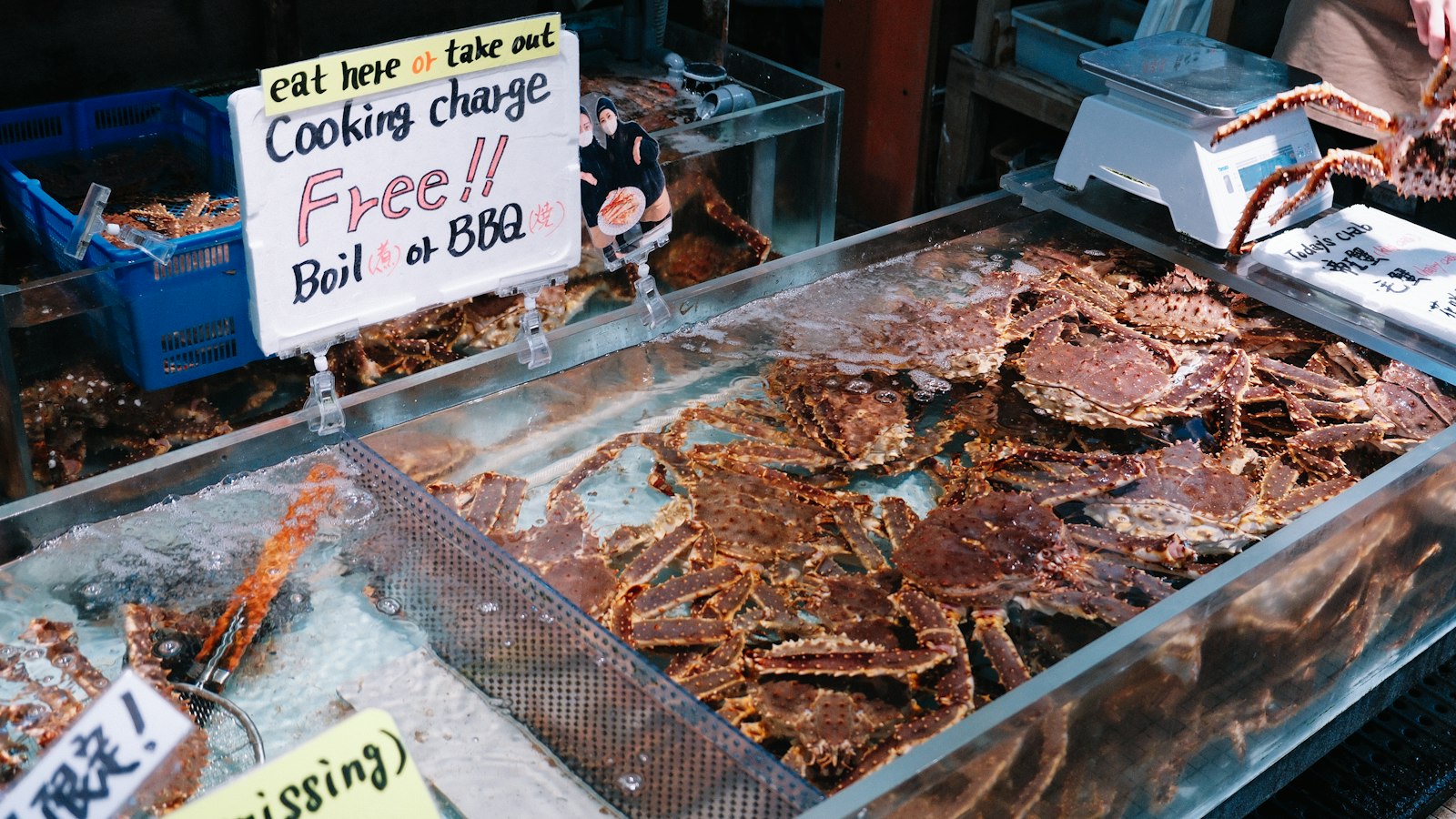
- Seafood at Nijo Market: bowls of crab, sea urchin and salmon roe; basic bowls from about ¥1,200–1,800.
From New Chitose Airport, the JR Rapid Airport train reaches Sapporo Station in about 37 minutes.
We checked these details on November 14, 2026, against the sources listed at the end. Prices, hours and closing days at restaurants can change; check before you go.
2. Why Eat in Sapporo Now?
- Cold weather: Sapporo is already cold in November and often sees its first snow; hot dishes taste even better.
- Autumn seafood: salmon roe (ikura) is at its best in autumn, and hairy crab (kegani) has seasons in spring and autumn.
- Fewer crowds than snow-festival season: hotel prices are usually gentler than in February.
3. Sapporo Miso Ramen
Sapporo is the home of miso ramen. The rich miso broth is often made by stir-frying vegetables and minced pork in a hot wok before adding stock, topped with a layer of fat to keep it hot in winter. Common toppings are corn, butter, chashu and bean sprouts.
- Ramen Yokocho (Ramen Alley): in Susukino, with many small shops side by side, open late.
- Sapporo Ramen Republic: a food floor in the Sapporo Station area gathering ramen shops from across Hokkaido – NEEDS VERIFICATION of current location and hours.
- A bowl usually costs about ¥900–1,500.
Tip: many shops use a ticket machine at the entrance; eat promptly when it's busy.
4. Jingisukan: Hokkaido Grilled Lamb
Jingisukan is lamb or mutton grilled on a domed cast-iron pan; the juices run down to cook onions and bean sprouts around the edge. There are two styles: pre-marinated meat, and fresh meat dipped in sauce after grilling.
- Sapporo Beer Garden: red-brick halls offering all-you-can-eat Jingisukan and beer sets.
- Many small restaurants in Susukino have counters around the grill.
- Clothes easily pick up the smell; many restaurants lend aprons and bags for coats.
Visit the nearby Sapporo Beer Museum to learn about Hokkaido's beer history (whether admission and tours are charged – NEEDS VERIFICATION). The legal drinking age in Japan is 20.
5. Soup Curry
Sapporo's own invention: a thin, soupy curry from mild to very spicy, with big chunks of vegetables (pumpkin, eggplant, potato, peppers) and a tender chicken leg. You usually choose the spice level, broth and rice portion. It's an ideal lunch on a cold day.
- Some shops' spice scales go very high; choose a low level if you're not used to heat.
- Eat with rice: dip spoonfuls of rice into the soup or alternate.
6. Seafood: Nijo Market and Jogai Market
Nijo Market
A small seafood market in the center, near Odori Park and Susukino. Stalls open around 7:00; the best time is about 7:30–9:00, before tour groups arrive. Specials often sell out before 14:00.
| Dish | Typical price |
|---|---|
| Basic seafood bowl | about ¥1,180–1,800 |
| Three-topping bowl (crab, sea urchin, salmon roe) | about ¥1,800–3,800 |
| “Deluxe” bowl | about ¥3,500–4,800 |
| Premium seafood platter | from about ¥5,000 |
Most stalls are cash-only. Ask the price first for items sold by weight, such as crab.
Jogai Market
The suburban Sapporo Jogai Market is bigger and often cheaper, good if you want to buy seafood or have a quieter breakfast.
7. Sweets and Snacks
- Hokkaido milk soft-serve, even in winter.
- Famous cookies and chocolates as gifts.
- Cheesecakes and shime parfait: the local habit of eating a parfait after a night out in Susukino.
- Grilled corn and butter potatoes from street stalls.
8. A One-Day Food Itinerary
- 7:30: a seafood bowl at Nijo Market.
- Lunch: soup curry.
- Afternoon: walk Odori Park and the TV Tower, then coffee with a Hokkaido pastry.
- Evening: Jingisukan at Sapporo Beer Garden or in Susukino.
- Late night: miso ramen in Ramen Alley, then a shime parfait.
Pace yourself: Sapporo portions are generous.
9. Getting There and Around
| Route | How | Time |
|---|---|---|
| New Chitose – Sapporo | JR Rapid Airport | about 37 minutes (fare NEEDS VERIFICATION) |
| Sapporo Station – Odori – Susukino | Namboku subway line or walk via the underground passage | a few minutes |
| Hakodate – Sapporo | Limited express Hokuto | about 3.5–4 hours |
Underground walkways link Sapporo Station, Odori and Susukino, so you can walk without worrying about snow. Airport buses change routes from December 11, 2026, and only the city-hotel loop stops at hotels. Coming from Hakodate? See our guide to Hakodate in winter; to compare domestic flights, see our guide to budget domestic flights.
10. Weather and What to Wear
- Sapporo is cold in November and may see its first snow; December to February is very cold and snowy.
- A warm coat, gloves, a hat and non-slip shoes.
- Restaurants are often very warm inside, so wear layers you can take off.
See our guide to staying warm in winter in Japan.
11. Estimated Food Costs for One Day
| Meal | Estimate |
|---|---|
| Seafood bowl for breakfast | about ¥1,500–3,800 |
| Soup curry for lunch | about ¥1,200–2,000 |
| Jingisukan dinner with drinks | about ¥3,000–6,000 |
| Late-night ramen | about ¥900–1,500 |
These are rough figures.
12. Common Mistakes to Avoid
- Going to Nijo Market in the afternoon: many dishes have sold out, and some places take a break.
- Not carrying cash at the market.
- Wearing an expensive coat to Jingisukan: it will smell of smoke.
- Choosing too high a spice level for soup curry.
- Not booking popular Jingisukan restaurants at weekends.
13. Your Phone and Mobile Data
You'll need data to find restaurants, check hours and closing days, book tables, translate menus and navigate the underground walkways. Some small restaurants have no Wi-Fi, and free Wi-Fi in busy areas can be slow (see our guide to free Wi-Fi in Japan). Restaurant and translation apps are covered in our list of essential apps for traveling in Japan.
Need mobile data during your Japan trip? Compare HD Telecom's available eSIM and Wi-Fi options, and check device compatibility before choosing a plan. Visitors can read our guide to travel eSIMs for 5–14 day trips. For longer stays, see HD Telecom's Monthly Data eSIMs (your phone must support eSIM) and Monthly Pocket WiFi rentals, and check each plan's data allowance, the speed after the allowance runs out and the terms on the product page.
14. Otaru: A Food Day Trip from Sapporo
Otaru, about 30–40 minutes from Sapporo by JR train, is a port town known for its canal, glassware and sweets. It makes an easy food-focused day trip:
- Sushi: Otaru's “Sushi Street” has many sushi restaurants using local seafood.
- Sakaimachi Street: sweets shops, cheesecakes and soft-serve.
- Sankaku Market: a small market next to Otaru Station with seafood bowls.
- Canal at dusk: gas lamps along the canal, especially atmospheric in snow.
Check train times and dress warmly; the coastal wind is cold.
15. Hokkaido Ingredients to Know
| Ingredient | Japanese | Notes |
|---|---|---|
| Salmon roe | いくら ikura | Best in autumn |
| Sea urchin | うに uni | Varieties and prices vary by season and catch |
| Hairy crab | 毛蟹 kegani | Seasons in spring and autumn |
| King crab | タラバガニ taraba-gani | Large legs, often grilled |
| Potatoes and corn | じゃがいも・とうもろこし | Famous Hokkaido produce |
| Dairy | 乳製品 | Milk, butter, cheese and soft-serve |
16. Tips for Eating Out in Sapporo
- Many restaurants in Susukino open late, but the most popular ones fill up by 19:00; arrive early or book.
- Watch for a table charge (otoshi) at izakaya, a small appetizer charged per person.
- Smoking rules vary; check if you're sensitive to smoke.
- Lunch sets are good value, often much cheaper than dinner at the same restaurant.
17. Combining Sapporo with Other Hokkaido Trips
- Hakodate: about 3.5–4 hours by limited express, known for its night view and morning market.
- Otaru: a short train ride for sushi and sweets.
- Jozankei Onsen: a hot-spring town about an hour from Sapporo by bus, pretty in autumn and snow.
- Niseko and ski areas: from December, powder snow for skiing (see our guide to skiing in Japan for the first time).
18. Where to Stay for Food Lovers
- Susukino: right in the dining and nightlife district, walkable to ramen alleys and late-night restaurants.
- Odori: central, close to Nijo Market and the TV Tower.
- Sapporo Station: convenient for the airport train and day trips, with large food floors and department stores.
Underground walkways connect all three areas, which is a big advantage in winter.
19. FAQ
How is miso ramen different from tonkotsu ramen?
Miso ramen is flavored mainly with miso, rich and warming; tonkotsu (Hakata) is a cloudy pork-bone broth.
What if I don't eat lamb?
Many Jingisukan restaurants also serve pork or beef; soup curry and seafood are other options.
Is there vegetarian food in Sapporo?
Some soup curry shops have vegetable options, but the broth may be meat-based; ask carefully.
Should I visit Sapporo in February?
Yes if you want the snow festival, but it's crowded and pricier; see our guide to the Sapporo Snow Festival 2027.
Where can I buy food gifts?
The Sapporo Station area, department-store food halls and New Chitose Airport all have many Hokkaido specialty counters.
Is Susukino safe at night?
Generally yes, but it's an entertainment district. Ignore touts who approach you on the street and choose restaurants yourself, checking prices before ordering.
How many days do I need for Sapporo's food?
Two or three days lets you try the main dishes without rushing, and add a day trip to Otaru for seafood and sweets if you have time.
Do I need reservations for ramen?
Usually not; most ramen shops work on a first-come basis. Expect queues at famous shops around lunch and late evening.
What's the best breakfast in Sapporo?
A seafood bowl at Nijo Market or Jogai Market is the classic choice. Many hotels also serve Hokkaido-style breakfast buffets with seafood and dairy.
Is food expensive in Sapporo?
Prices are similar to other big Japanese cities. Ramen and soup curry are affordable, while crab and premium seafood can be costly.
Can I bring Hokkaido seafood home?
Within Japan, shops can send it by refrigerated delivery. Taking fresh seafood abroad is restricted in many countries; check the rules first.
Are there food events in winter?
Yes. The Sapporo Snow Festival in February has food stalls with Hokkaido specialties, and Odori Park hosts seasonal events and markets in December.
Is soup curry very spicy?
Only if you choose a high level. Most shops let you pick from mild to extremely hot, and the default level is usually gentle.
Can I find halal food in Sapporo?
There are some halal-certified or Muslim-friendly restaurants, including some ramen and Jingisukan options. Check certification directly with the restaurant.
What time do restaurants close?
Many close around 22:00–23:00, but Susukino has places open past midnight, especially ramen shops and bars. Last orders are usually 30 minutes before closing.
Is it worth visiting Sapporo just for food?
Yes. Many Japanese travelers visit Sapporo specifically to eat, especially in autumn and winter when seafood and hot dishes are at their best.
Do I need to speak Japanese to order?
No. Many restaurants in central Sapporo have picture menus or English menus, and ticket machines often show photos. A translation app helps at small shops.
20. Conclusion
Sapporo in late autumn is a paradise of hot food: miso ramen, Jingisukan, soup curry and fresh seafood at Nijo Market. Go to the market early, carry cash, book popular restaurants for weekends, dress warmly and keep your phone connected to find restaurants and translate menus.
Sources (checked November 14, 2026)
Related products
Find your plan with HD TELECOM
SIM, eSIM and Pocket WiFi — genuine quality, clear pricing, 24/7 support.
Depachika: Japan's Department-Store Food Halls – What to Buy and When to Save
Your First Kaiseki Meal in Japan: Course Order, Etiquette, Prices and Autumn Dishes
Japan August 2026 Fireworks Schedule: Where to Watch, Dates, and How to Get There

Japan travel 5–14 days: Where to buy travel eSIM, how to use it, how much does it cost?