

Mid-August Obon: Summer's Longest Holiday and How Vietnamese People Make the Most of It
August 9, 2026

If you have recently moved to Japan, you might be surprised to find that in mid-August, factories suddenly close for several consecutive days, Tokyo's streets become unusually empty, and Shinkansen trains are fully booked at 1.5 times the regular price. That is Obon (お盆)—and understanding it will help you make the most of your holiday while avoiding costly traps.
1. What is Obon?
Obon is the occasion when Japanese people welcome the spirits of their ancestors back home—very similar to the Vu Lan festival and the Ghost Festival in mid-July observed by Vietnamese people, both sharing Buddhist roots. It usually takes place around August 13–16 in most parts of Japan (some regions like old Tokyo follow the July calendar).
Main customs include:
- Mukaebi (迎え火) — welcoming fires lit on August 13 to guide spirits home.
- Ohakamairi (お墓参り) — family visits to tend, clean, and offer flowers and water at graves.
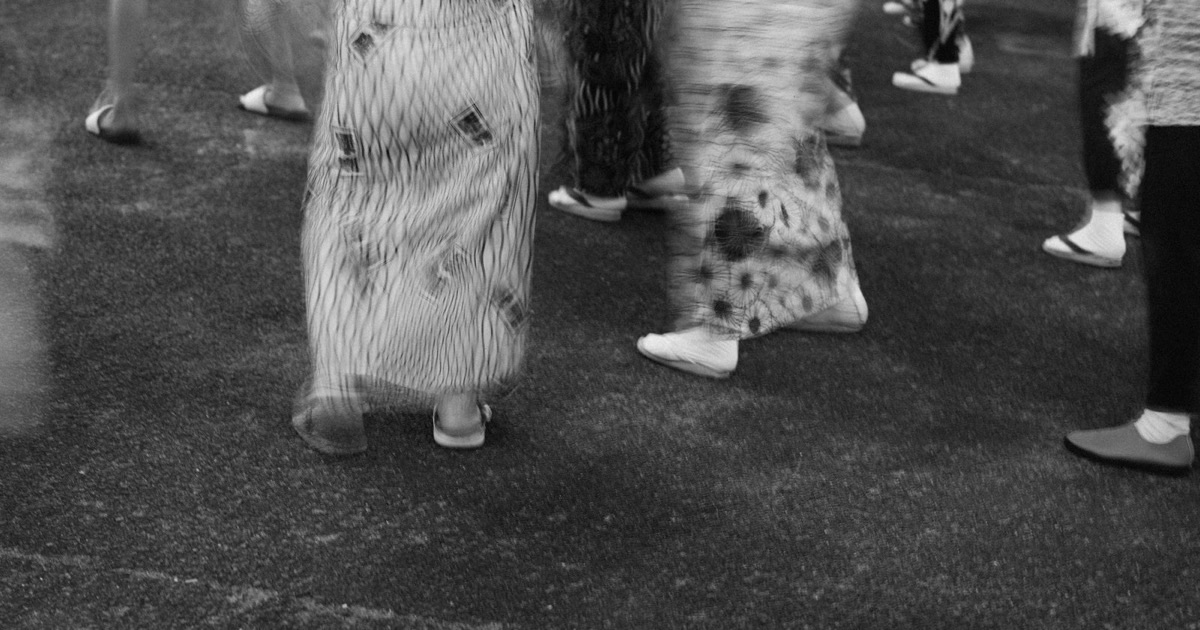
- Bon Odori (盆踊り) — circle dancing around a drum tower in temple or school courtyards. Anyone can join, and foreign visitors are warmly welcomed.
- Okuribi (送り火) — farewell fires lit on August 16 to send the spirits back.
- Toro Nagashi (灯籠流し) — floating paper lanterns down a river, each carrying a message for the departed.
Vietnamese people will find this very familiar: remembering ancestors, fire, water, and lanterns. If your Japanese colleagues invite you to their hometowns during Obon, accept the invitation—it's a way to understand Japanese culture deeper than any tourist trip.
2. Major Obon Events Worth Seeing
Gozan no Okuribi — Kyoto, August 16
Five mountains surrounding Kyoto ignite into giant symbols: the character 大 (Daimonji), a torii gate shape, a boat shape, and more. Starting around 20:00, each symbol burns for about 30 minutes. This is one of Japan's most iconic sights. Free to view from various spots throughout the city—though Kyoto is extremely crowded on that day.
Awa Odori — Tokushima, August 12–15
Japan's largest dance festival, over 400 years old, attracting hundreds of thousands of people to Shikoku Island. Famous slogan: "The dancer is a fool, the watcher is a fool—since both are fools, might as well dance and have fun!". Tourists are invited to join the dance in many sections.
Obon Fireworks Festivals
- August 13 — Kanmon Kaikyo Hanabi (Kitakyushu, Fukuoka): fireworks over the strait, viewed from two prefectures simultaneously.
- August 13 — Tokachi Riverside Fireworks (Obihiro, Hokkaido): 19:20–21:00.
- August 14 — Ashinano Hanabi (Azumino, Nagano) and Asashina Nouryou Hanabi (Saku, Nagano).
- August 15 — Suwako Hanabi (Lake Suwa, Nagano): ~12,000 fireworks launched from boats in the middle of the lake.
- August 15 — Roraku Toro Nagashi & Hanabi (Nagano City): lantern floating accompanied by fireworks.
- August 15 — Yamaga (Kumamoto): fireworks during the region's largest summer festival.
3. Four Obon Holiday Traps
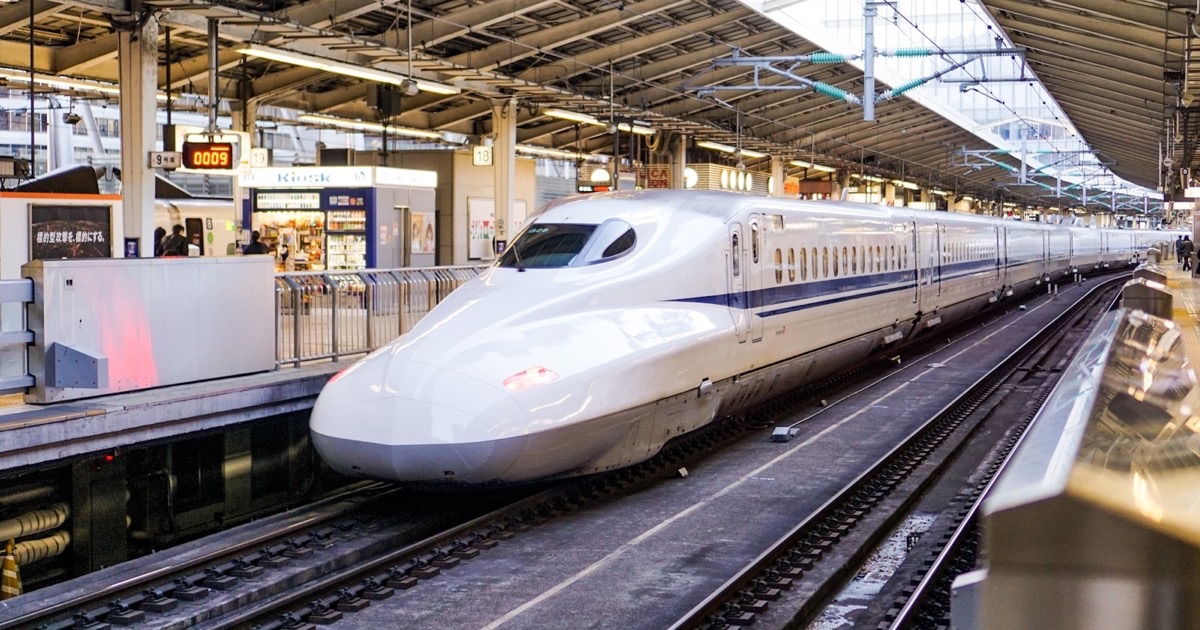
- Train and transport tickets are the most expensive of the year. Shinkansen trains on peak days do not offer discounted seats, and unreserved cars are so packed passengers have to stand the entire journey. Domestic flight fares surge significantly.
- Expressways jam for dozens of kilometers. Outbound traffic (leaving major cities) is severely congested on August 10–13; inbound traffic jams on August 15–17. Driving requires allowing an extra 2–4 hours.
- Hotels raise prices and book up early. Especially in hometowns and tourist destinations.
- Many places close down. Clinics, banks, government offices, and some restaurants close for 3–5 days. Paperwork, medical visits, currency exchange, and shipping must be done BEFORE August 12.
4. Three Ways to Make the Most of Obon for Vietnamese in Japan
Way 1: Go Against the Flow
Everyone leaves the city for their hometowns, so Tokyo, Osaka, and Nagoya during Obon are uncharacteristically quiet: spacious subway trains, no lines at restaurants, and museums and parks are easy to breathe in. If you are on a tight budget, staying in the city is a smart choice—cheap and relaxing.
Way 2: Travel on Off-Peak Dates
Peak times are August 10–13 (outbound) and August 15–17 (inbound). If you can arrange flexible time off, traveling on August 14 and returning on August 18 will result in much cheaper tickets and far less congestion.
Way 3: Return to Vietnam—But Calculate Carefully
Many people take advantage of Obon to fly back to Vietnam. Note:
- Flight tickets during this time are the most expensive of the year—book 2–3 months in advance for good rates.
- Check the expiration date of your residence card and re-entry permit before flying.
- Japanese mobile plans: if you are away for 2–3 weeks, consider keeping the smallest plan instead of canceling—canceling and re-registering is a hassle and you might lose your phone number, which is usually linked to your bank and e-wallets.
- Vietnamese SIM card: remember to bring it or check if your number retention plan is still active.
5. Bon Odori — Try It Once, It's Easier Than You Think
Almost every neighborhood in Japan holds a Bon Odori festival during this time, organized in temple courtyards, parks, or school grounds. Why you should go:
- Free, close to home, no ticket reservation needed.
- Anyone can dance: repetitive movements, just stand behind someone and mimic them. No one judges you—that's the spirit of the festival.
- Food stalls and games like goldfish scooping for kids.
- The best way to get to know your neighbors. For Vietnamese living in Japanese residential areas, this is a rare occasion for people to see that you are not just a "stranger in the building"—many friendships start here.
How to find them: check the notice board at the city hall, apartment complex bulletin board, or search Google for your area's name + 盆踊り.
6. Practical Preparations for the Obon Holiday
- Complete paperwork before August 12: banks, city halls, and clinics will be closed.
- Stock up on basic medicine—small pharmacies may close.
- Book tickets and rooms early if traveling far.
- Check garbage collection: trash collection schedules often change during Obon week—check your ward's schedule to avoid putting out trash on the wrong day.
- Power bank and offline maps if visiting crowded festivals.
- Call home: Obon is when Japanese people remember their ancestors—it's also a great occasion for you to video call your parents in Vietnam. Remember to use WiFi to save data.
7. A Final Message
Obon is a time for Japanese people to think of the departed and their families. For Vietnamese living far from home, that feeling is easy to touch: amid the summer heat, watching lanterns drift down the river, many suddenly feel extremely homesick. That is completely normal—and also why you should make a phone call home during these days, even just to hear each other's voices.
Conclusion
Obon is both a long vacation and one of the most beautiful cultural periods of the Japanese summer. Three concise tips: finish paperwork before August 12, travel on off-peak dates if going far, and don't miss the Bon Odori right near your home. And if you stay in the city—enjoy those rare days when Tokyo or Osaka is truly quiet and breezy.
Related products
Find your plan with HD TELECOM
SIM, eSIM and Pocket WiFi — genuine quality, clear pricing, 24/7 support.
Top 10 Most Beautiful Autumn Foliage Spots in Tokyo with a Detailed Schedule
How to buy Shinkansen tickets: reserved vs. unreserved seats, and the cheapest ways to buy
Tokai Region Fireworks in August: Hida-Takayama Hand-held Fireworks and Central Festival Highlights

Tohoku and Hokkaido August Fireworks: Nebuta, Tanabata, and Cool Summer Nights