

Tohoku and Hokkaido August Fireworks: Nebuta, Tanabata, and Cool Summer Nights
August 9, 2026
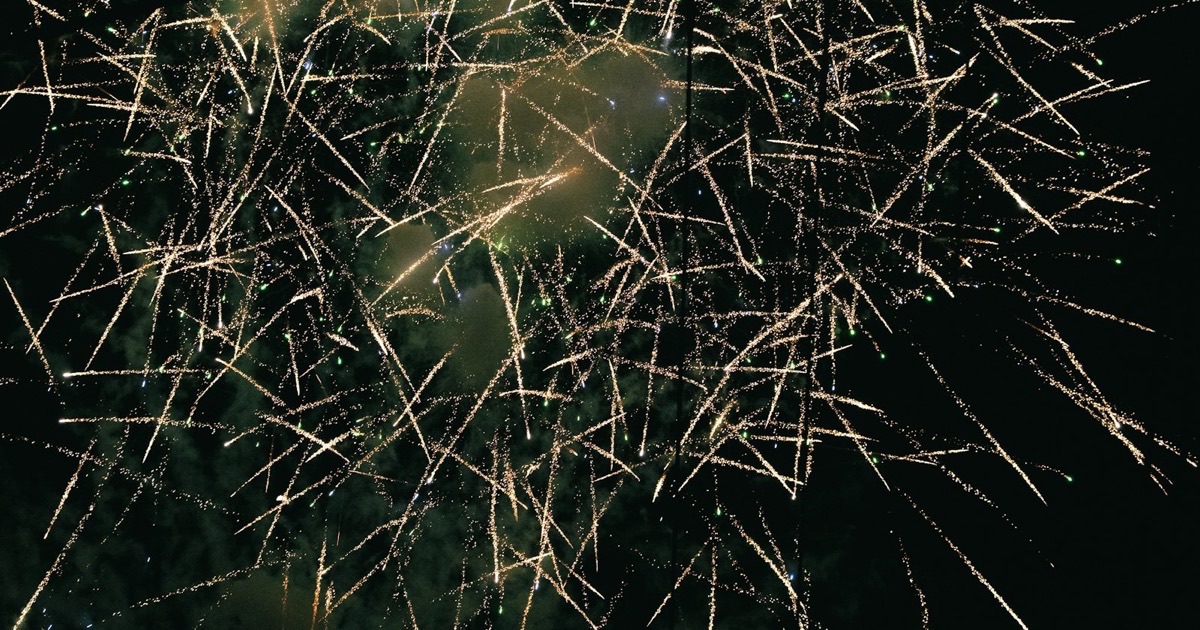
Northern Japan does fireworks differently: here, hanabi rarely stand alone, always tied to a larger traditional festival. Aomori features giant Nebuta floats, Sendai features the Tanabata festival with thousands of colorful paper streamers, and Kitakami has lanterns drifting down the river. And an advantage that the south envies: August nights up here are cool.
1. August 2026 Tohoku Schedule
| Date | Festival | Prefecture / City | Scale |
|---|---|---|---|
| 8/6 | Sendai Tanabata Hanabi | Miyagi, Sendai | Tanabata Festival Opening |
| 8/7 | 72nd Aomori Hanabi (Nebuta Festival Sponsor) | Aomori, Aomori Port | ~10,000 shells |
| 8/7 | Ichinoseki Hanabi | Iwate, Ichinoseki | ~10,000 shells |
| 8/7 | Yonezawa Hanabi | Yamagata, Yonezawa | ~5,000 shells |
| 8/9 | Kitakami Michinoku Geinou Matsuri — "Torokko Nagashi to Hanabi no Yube" | Iwate, Kitakami | Lantern floating + fireworks |
| 8/29 | Omagari — All Japan Fireworks Competition | Akita, Daisen | Japan's most prestigious competition |
We have a separate article dedicated to Omagari as it is a truly special event — you should read it carefully before going.
2. Aomori (August 7): Fireworks + Nebuta on the Sea
Aomori's Nebuta festival is one of the three major festivals in Tohoku: massive paper floats depicting warriors and deities, lit from within, pulled through the streets to the sound of drums and chants of "rassera!".
On the final night of the festival, the Nebuta floats are loaded onto boats and paraded across Aomori Bay, while about 10,000 fireworks explode overhead. The glowing paper floats drift on the water, fireworks bloom in the sky, and everything reflects on the sea — this is one of the most stunning sights of Japanese summer, found nowhere else.
Note: During Nebuta, accommodations in Aomori book up very early and prices soar. If you cannot find a place, consider staying in Hachinohe or Hirosaki and taking the train over.
3. Sendai (August 6): Tanabata Opening Fireworks
Sendai's Tanabata is the most famous in Japan, running from August 6–8 with thousands of vibrant paper streamers (fukinagashi) hung along covered shopping arcades. Fireworks are launched on the evening of August 6 as the opening kick-off.
Sendai is a major city with convenient transportation, featuring a direct Shinkansen from Tokyo (about 1.5 hours) — making it perhaps the most accessible Tohoku festival for travelers based in Kanto looking for a quick trip.
4. Hokkaido in August
Hokkaido doesn't crowd its fireworks into just a week or two like Honshu; instead, they are spread throughout the summer. Key dates for August 2026:
- August 13 — Tokachi River Riverside Fireworks, Obihiro City: 19:20–21:00, postponed to August 14 in case of heavy rain.
- Early August also features medium-scale festivals in Sapporo (Bankei Ski Area), Otaru (fish market area), and Sunagawa (Oasis Park) — usually falling around August 8.
Hokkaido's biggest advantage: August evenings hover around 18–22°C. You get to watch fireworks in comfortable weather, even needing a light jacket — while Tokyo is still sweltering at 30°C at 9 PM. For anyone who hates the heat, this alone is reason enough to catch a flight north.
5. How to Plan Your Trip North Efficiently
From Tokyo
- Sendai: Shinkansen ~1.5 hours — doable as a day trip.
- Ichinoseki: ~2 hours 15 minutes.
- Aomori: ~3 hours.
- Omagari (Akita): ~3.5 hours.
- Hokkaido: Fly to Sapporo (Shin-Chitose) ~1.5-hour flight, much cheaper than the Shinkansen if booked early.
Money-Saving Tips
- JR East early-bird discounted tickets (booked 1–4 weeks in advance) are significantly cheaper than standard fares — though changes/cancellations are restricted.
- Overnight buses from Tokyo to Sendai/Aomori cost one-third the price of the train; you sleep the whole way and arrive, though it can be tiring.
- Low-cost carriers (Peach, Jetstar) fly to Sapporo and Sendai — booking early secures great rates.
6. Special Preparations for the North
- A light jacket is a must, even in August. Tohoku nights hover around 20–24°C, and Hokkaido can drop to 17–18°C.
- Mosquito repellent: Riversides and lakeside areas up north have plenty of mosquitoes.
- Thick picnic mats — the ground can be damp and cold.
- Check the last train/bus: Local trains run infrequently, so missing them means getting truly stranded.
- Book lodging early: Small towns have very few hotels, and festival dates book out completely.
7. Connectivity in the North — Important Points to Note
Two things differ from major cities:
- Festival network congestion: Small towns welcome crowds many times their population, overloading cell towers. Aomori during Nebuta or Daisen during Omagari both face this issue.
- Mountain areas and remote coasts really do have weak signals — not from crowds, but from coverage gaps. If your trip takes you through the Tohoku mountains or inland Hokkaido, download offline maps in advance and share your itinerary with family.
Minimum preparation: take screenshots of train tickets and itineraries, download offline maps, carry a power bank, and set a specific meeting spot with your group. If you plan on taking multiple distant trips this summer and your current data plan is small, consider upgrading temporarily — HD TELECOM offers free consultations in Vietnamese if you are unsure which plan fits best.
Conclusion
The north gives you something Tokyo cannot: fireworks blending into centuries-old traditional festivals, wide-open spaces, and cool summer nights. If you choose just one trip this year, Aomori on the night of August 7 with Nebuta floating on the bay against a backdrop of fireworks is our top recommendation — that view is well worth the 3-hour train ride.
All dates and times are subject to change or cancellation due to weather — check official websites on the day before setting out.
Related products
Find your plan with HD TELECOM
SIM, eSIM and Pocket WiFi — genuine quality, clear pricing, 24/7 support.

Mid-August Obon: Summer's Longest Holiday and How Vietnamese People Make the Most of It
Tokai Region Fireworks in August: Hida-Takayama Hand-held Fireworks and Central Festival Highlights
Kyushu Fireworks in August 2026: From the 367-Year-Old Chikugogawa to the Kanmon Straits

Kansai 2026: Why Naniwa Yodogawa and Minato Kobe are not happening in August