

Kansai 2026: Why Naniwa Yodogawa and Minato Kobe are not happening in August
August 9, 2026
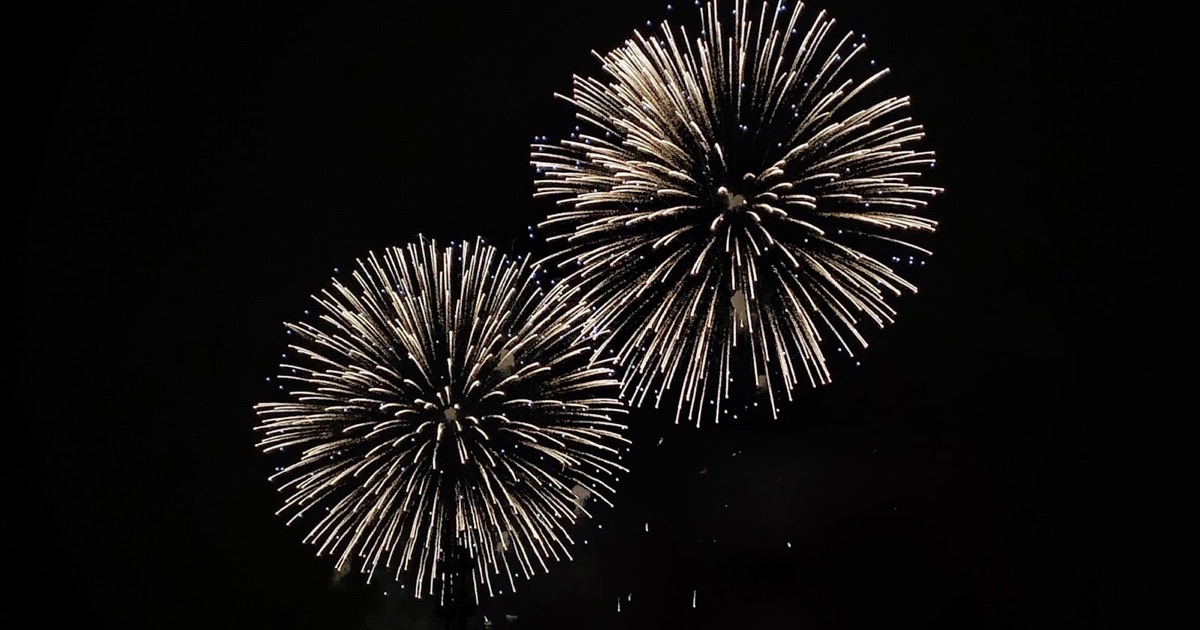
This is probably the most important article in our fireworks series because it helps you avoid going on the wrong day. Every year, many Vietnamese people in Osaka and Kobe wait for the two familiar festivals in August — but not in 2026.
1. Main News: Kansai's Two Largest Festivals Postponed to October
| Festival | 2026 Schedule | Notes |
|---|---|---|
| Naniwa Yodogawa Hanabi (38th) | Saturday, October 17, 2026 | Along the Yodogawa River, Yodogawa Ward, Osaka |
| Minato Kobe Hanabi | October 19–23, 2026, 5 consecutive days | Meriken Park, approx. 18:30–18:50 each evening |
This means if you are in Osaka or Kobe and head to the riverbanks this August expecting fireworks like every other year, you will only find an empty shore. Put these two October dates in your phone calendar right away — and note that Kobe's format has completely changed: instead of one grand night, it is now 5 consecutive evenings, each lasting only about 20 minutes. This approach helps spread out the crowds, so if you are busy on one night, you still have other options.
2. So what is happening in Kansai in August 2026?
Kansai will still host medium and small-scale festivals in August. One notable date:
- August 22 — SBI Mai Hanabi in Osaka-Sennan at Sennan Long Park: open from 15:00, fireworks expected 19:15–20:15. A coastal venue in southern Osaka, near Kansai Airport — much more open and breathable than downtown festivals.
Additionally, small towns around Kyoto, Nara, and Wakayama still hold summer festivals with fireworks ranging from a few hundred to a few thousand shells — usually not widely advertised but very pleasant: uncrowded, close to home, and family-friendly. How to find them: type your city's name + 花火大会 on Google, or check the notice boards at your local city hall and train station.
3. Why are Japanese fireworks schedules changing so frequently?
It is not by chance. There are several real reasons unfolding across Japan:
- Extreme heat. August in Kansai frequently exceeds 35°C; holding large crowded outdoor events poses a genuine heatstroke risk for both spectators and staff. Moving to October when the weather cools is a decision made for safety.
- Surging costs. The prices of pyrotechnic materials, security, insurance, and seat setup have all risen. Many festivals are shifting to ticketed seating or seeking sponsorships to survive.
- Shortage of coordination staff. A festival with hundreds of thousands of people requires a huge number of security personnel and volunteers — something in short supply in Japan.
- Crowd management for safety. Following crowd-crush incidents in various parts of the world, Japanese organizers are very cautious: dividing events into multiple nights, limiting the number of people entering central areas, and increasing ticketed zones.
The lesson for you is simple: do not rely on last year's memory. Always check the official schedule before inviting friends out each summer.
4. How to check the schedule for your local area
- Google: city name + 花火大会 + 2026 (e.g., 神戸 花火大会 2026).
- Prioritize reliable Japanese aggregator sites (Walkerplus, Weathernews) and the organizer's official website — the official site always wins when information conflicts.
- Check the 予備日 (reserve date) section — many festivals clearly state "in case of rain, postponed to date X".
- Follow the organizers' social media accounts: weather-related cancellation decisions are usually announced there first, sometimes just hours in advance.
- If you cannot read Japanese: use Google Translate's full-page translation feature, or take a screenshot and translate it with your camera — enough to catch the date, time, and location.
5. If you are in Kansai and still want to see hanabi in August
Three practical options:
① Go to a small local festival
Fewer people, no ticket booking needed, no need to arrive hours early, and children won't get easily lost. For families with young children, this is often the most enjoyable choice despite the modest scale.
② Take a trip out of town
August remains peak hanabi season in other regions: Lake Suwa (Nagano) on August 15, Omagari (Akita) on August 29 — Japan's most prestigious fireworks competition. Traveling from Osaka to Nagano or Akita is a long journey, but quite feasible if you have the mid-August Obon holiday.
③ Wait for October — and enjoy it properly
To be honest: watching fireworks in October is much more comfortable. No 35°C heat, no heavy sweating, no heatstroke worries. Kobe firing for 5 consecutive nights means it's easier to find an evening you're free, and with each night lasting only 20 minutes, it's even easier to invite busy friends along.
6. Small preparation, big difference
- Set a reminder in your phone for October 17 (Yodogawa) and October 19–23 (Kobe) right now, along with a 1-week advance reminder so you can invite friends and book dinner reservations in time.
- Lock down a specific meeting point when going in a group — in crowded areas with weak signal, phone calls are often useless.
- Screenshot the map and train schedule to use offline.
- Portable charger — recording video drains battery very quickly.
- October evenings are chilly by the Kobe coast: bring a thin jacket.
Conclusion
The most important takeaway of this article summed up in one sentence: in Kansai in 2026, major fireworks are not in August but in October — Yodogawa on October 17, Kobe on October 19–23. Mark your calendar now so you don't miss out. As for August, choose a small local festival, or take a trip to Suwa or Omagari if you have the Obon holiday.
Dates and times are subject to change — always check the organizers' official website before going.
Related products
Find your plan with HD TELECOM
SIM, eSIM and Pocket WiFi — genuine quality, clear pricing, 24/7 support.
Tohoku and Hokkaido August Fireworks: Nebuta, Tanabata, and Cool Summer Nights
Kyushu Fireworks in August 2026: From the 367-Year-Old Chikugogawa to the Kanmon Straits
August Koshinetsu Fireworks: Lake Suwa, Niigata, Nagano — Where Fireworks Echo Through the Mountains
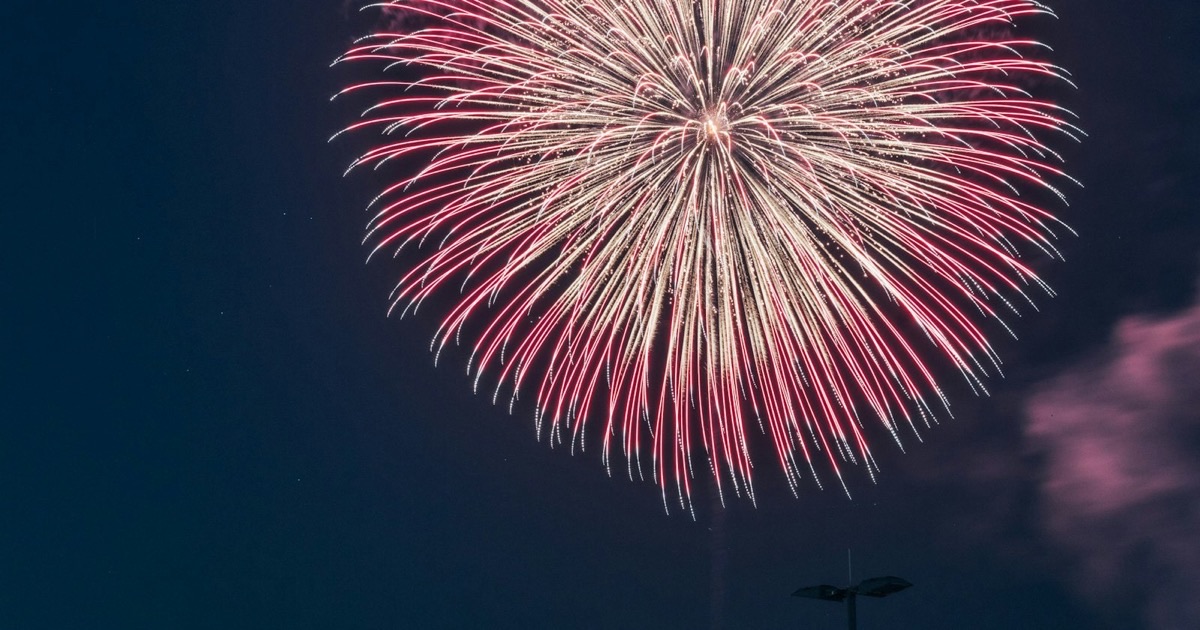
Omagari August 29 — The National Fireworks Competition, the pinnacle of Japanese hanabi art