

Tokyo Fireworks in August 2026: Detailed Schedule and How to Survive the Crowd
August 9, 2026
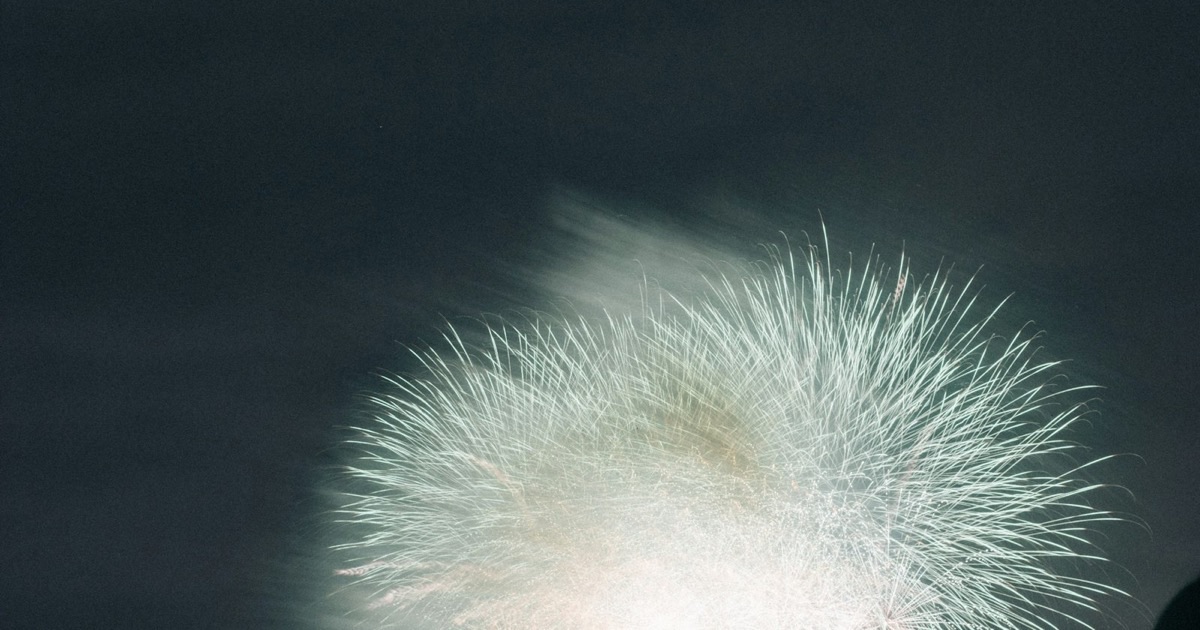
Living in Tokyo without ever attending a hanabi means you haven't truly experienced a Japanese summer. But Tokyo is also home to the most "challenging" fireworks: a single festival can attract a million people in just a few hours, train stations turn into slow-moving rivers of people, and without preparation, you'll remember that evening with exhaustion rather than beauty. This article gives you both: the detailed schedule and how to go comfortably.
1. Tokyo Fireworks Schedule - August 2026
| Date | Festival | Area | Number of Fireworks | Expected Crowd |
|---|---|---|---|---|
| 8/1 | Itabashi Hanabi Taikai (67th) | Arakawa Riverbed, Itabashi-ku | ~15,000 | ~550,000 |
| 8/1 | Edogawa-ku Hanabi Taikai (51st) | Edogawa Riverbed | ~14,000 | — |
| 8/1 | Hachioji Hanabi Taikai | Fujimori Park, Hachioji | ~4,000 | ~90,000 |
| 8/8 | Meiji Jingu Gaien Hanabi Taikai | Jingu Gaien, Shinjuku | ~10,000 | ~1,000,000 |
| 8/8 | Okutama Nouryou Hanabi (49th) | Atago Mountain Square, Okutama | ~1,000 | ~13,000 |
| 8/8 | Izu Oshima Natsu Matsuri Hanabi (46th) | Motomachi Port, Oshima Island | ~1,000 | ~3,000 |
| 8/11 | Hachijojima Nouryou Hanabi (25th) | Sokodo Port, Hachijo Island | 650 | ~2,000 |
| 8/29 | Akishima Kujira Matsuri Yume Hanabi (54th) | Akishima City Stadium | ~4,000 | ~45,000 |
Source compiled from Japanese fireworks specialist websites. Dates and times may change or be cancelled due to weather — check the official website on the day of the event.
2. Choosing a Festival Based on Your Situation
Going solo or with friends, wanting an epic atmosphere
Jingu Gaien (8/8) is the classic choice: right in the center, convenient transportation, and a true Tokyo festival vibe. The trade-off is the insane crowd. If you choose this spot, be mentally prepared: arrive early, stand a lot, and leave late.
Going with family having young children or elderly members
Akishima (8/29) or Hachioji (8/1) are much more relaxed: around 45,000–90,000 people instead of a million, grassy areas to sit on, restrooms that aren't overwhelmed, and most importantly, no worries about losing children in the crowd.
Wanting to combine it with a trip
Okutama (8/8) — in the western mountains of Tokyo, cool air, you can go in the morning to enjoy the stream and watch fireworks at night. Oshima Island (8/8) or Hachijojima (8/11) require a ferry ride, suitable for those wanting a two-day, one-night island getaway.
Living in Kita/Itabashi or the eastern areas
Itabashi (8/1) is launched simultaneously with the opposite riverbank festival in Toda City (Saitama), doubling the sky view — very popular among locals. Edogawa (8/1) is famous for its stunning opening sequence of 5 seconds of continuous rapid-fire shells.
3. Less Crowded Viewing Spots: General Principles
- Back off 1–2 train stations. Large fireworks reach 300–500m in height and are still clearly visible from afar, while seating is spacious and getting home is much faster. For example, at riverside festivals, walking 1–1.5km upstream or downstream thins out the crowd significantly.
- Find high ground. Shopping mall rooftops, hill parks, pedestrian overpasses — many places are open and free of charge.
- Ask locals or colleagues. Every neighborhood has "secret spots" known only to locals.
- Restaurants/cafes with a view. Book tables early; many places offer special festival packages — more expensive, but with air conditioning, seating, and private restrooms.
4. The Way Home — What Most People Underestimate
Fireworks end between 20:30 and 21:00, and at the exact same time, hundreds of thousands of people head to the same station. Three strategies:
- Leave 10 minutes early before the finale. You miss the best part, but you get right on the train.
- Stay 40–60 minutes longer. Sit where you are, finish your snacks, and wait for the crowd to thin out before heading to the station. This is what veterans usually do.
- Walk to another station. The next station 1.5–2km away is usually much less crowded; walk to cool down, and when you arrive, you'll find a comfortable standing spot on the train.
Note: on festival nights, major stations may implement crowd control/entry restrictions (入場規制) — police let people in in batches. Don't panic, just queue according to instructions.
5. What to Pack in Your Bag
- Leisure sheet / picnic mat (レジャーシート) — 110 yen at Daiso, the most valuable item for that evening
- Fully charged power bank
- Drinking water bought in advance at a combini — festival venue stalls are expensive and have long lines
- Handheld fan / cooling wipes — August nights in Tokyo are still 28–30 degrees
- Mosquito repellent spray if sitting by the riverbank
- Trash bag — taking your trash home is an unwritten rule
- Small cash change — many street food stalls only accept cash
- Wet wipes — you'll need them after eating grilled food
6. Wearing a Yukata: Should You or Not?
Highly recommended if you want great photos and the full festival feel. A few honest notes:
- Ready-made yukata cost about 3,000–8,000 yen at Uniqlo, Don Quijote, or summer shops; the full set includes an obi (sash) and geta wooden sandals.
- Geta sandals easily cause blisters if you walk a lot — apply band-aids to your toe gaps before leaving home, or pack a pair of lightweight sandals in your bag.
- Yukata do not have pockets. Bring a small pouch (kinchaku) for your phone, wallet, and charger.
- Many shops in Asakusa and Shinjuku offer rental including dressing assistance for about 3,000–6,000 yen — very convenient for first-timers as dressing oneself can be confusing.
7. Phones and Mobile Data: 5 Minutes of Prep, No Evening-Long Frustration
When hundreds of thousands of people stand in one place, cell towers get overloaded — this is a physical phenomenon, not your carrier's fault. The consequence: messages won't send, calls won't connect, maps keep spinning, and QR code payments may also fail. An experienced person's approach:
- Agree on a meeting spot and time before separating. "Meet at the FamilyMart combini door north of the bridge at 21:15" — be specific like that. Don't rely on being able to make phone calls.
- Take screenshots of maps, tickets, addresses, and photos of your seating area — viewable even without a connection.
- Download offline maps of that area in Google Maps from home.
- Post photos and stories after leaving the area — avoids congestion while saving battery and data.
- Bring cash in case electronic wallets fail to process payments.
And a piece of advice from our own team: if your data plan is small, festival months easily drain it due to video recording. Check your remaining data before going; if you're short, topping up a separate data package is still cheaper than being stranded in a sea of people with no internet access.
Conclusion
The formula for a perfect hanabi night in Tokyo: choose a festival suited to your group → arrive 2 hours early → sit back from the epicenter → set a clear meeting point → stay 45 minutes after the end. That's all it takes to remember that night by the image of the brilliant blazing sky rather than the crush at the station gates. Wishing you a truly memorable Japanese summer 🎆
Related products
Find your plan with HD TELECOM
SIM, eSIM and Pocket WiFi — genuine quality, clear pricing, 24/7 support.
August Koshinetsu Fireworks: Lake Suwa, Niigata, Nagano — Where Fireworks Echo Through the Mountains
Omagari August 29 — The National Fireworks Competition, the pinnacle of Japanese hanabi art
Japan August 2026 Fireworks Schedule: Where to Watch, Dates, and How to Get There

Japan travel 5–14 days: Where to buy travel eSIM, how to use it, how much does it cost?