

Hatsumode: A Guide to First Shrine and Temple Visits of the New Year in Japan
November 9, 2026
Quick Answer
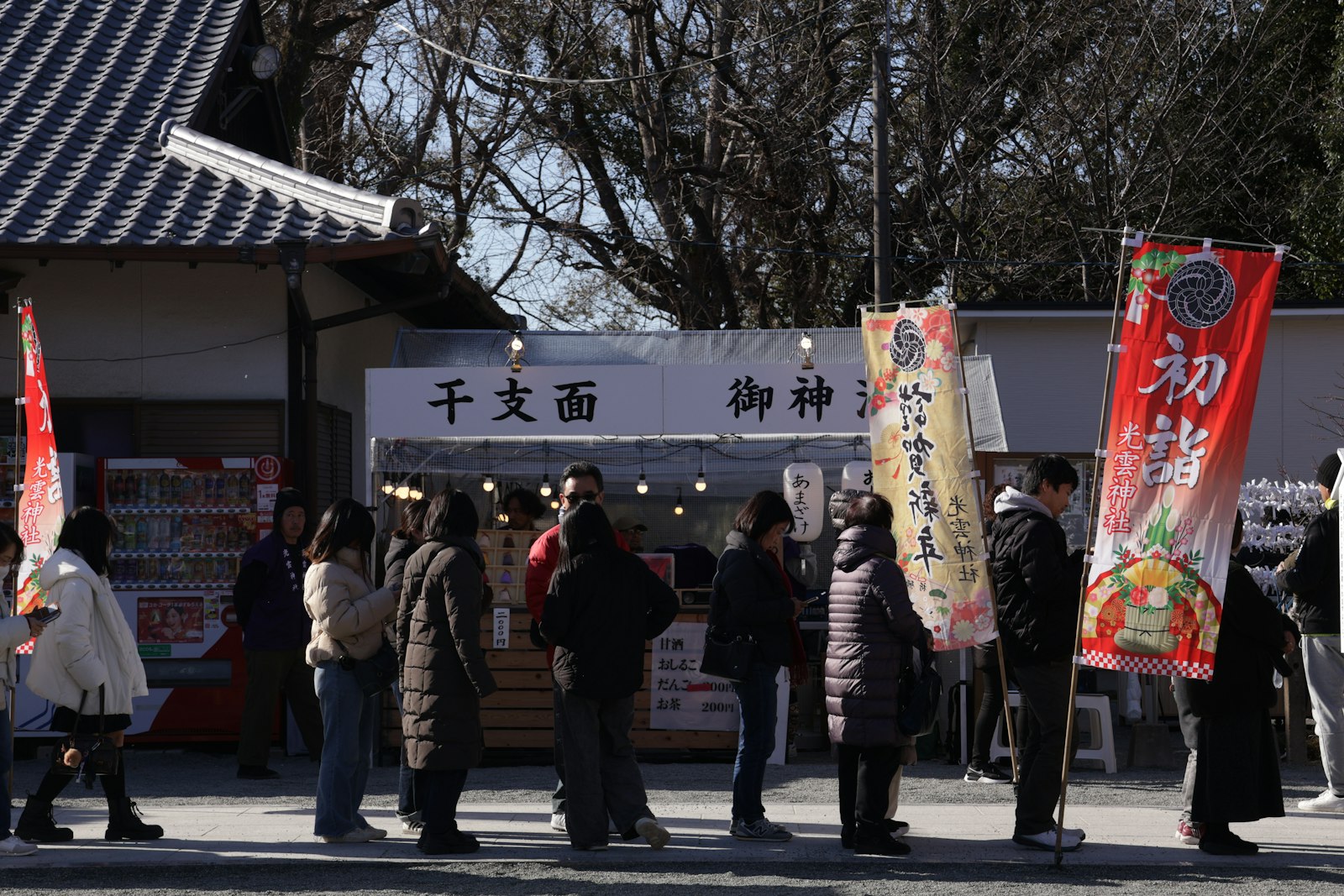
Hatsumode (初詣) is the Japanese New Year custom of visiting a Shinto shrine (Jinja) or Buddhist temple (Otera) during the first days of the year to give thanks for the past year and pray for health, safety, and prosperity in the new one. The ideal time to go is during the first three days of January (Sanganichi: January 1–3) or within the first week of the New Year (the Matsunouchi period, typically until January 7). A key rule during the visit is to distinguish between Shinto shrines (ritual: bow twice, clap twice, bow once) and Buddhist temples (ritual: press palms together in silent prayer—never clap).
Who This Guide Is For
This guide is crafted for:
- International students, technical interns, engineers, and foreign workers living in Japan who want to properly experience authentic New Year traditions.
- Independent international travelers visiting Japan during the New Year holiday season who wish to explore renowned spiritual landmarks.
- Anyone looking to understand the true meanings behind lucky amulets (Omamori), the art of fortune slips (Omikuji), and smart transit tips to avoid waiting in freezing crowds for hours.
When This Does NOT Apply
Traditional Hatsumode etiquette involves specific cultural exceptions and scenarios to keep in mind:
- Families in mourning (Mochu - 喪中): In Shinto belief, death is associated with impurity (Kegare). Therefore, those who have lost a family member within the past year should refrain from visiting Shinto shrines (Jinja) during the New Year to avoid bringing grief into the sacred grounds. However, Buddhism (Otera) does not observe this restriction, so those in mourning may still visit Buddhist temples to pray for departed souls and seek blessings.
- Those expecting a boisterous, all-night festival party: Hatsumode is fundamentally solemn, serene, and respectful. It is neither a lively music festival nor a high-energy countdown party.
Step-by-Step Guide to Hatsumode
To ensure your New Year shrine or temple visit is smooth and follows proper etiquette, follow these standard steps:
Step 1: Dress Appropriately and Cultivate a Respectful Mindset
Dress neatly, modestly, and warmly (thick coat, gloves, scarf, and heat packs/Kairo). Avoid overly revealing outfits or casual loungewear when stepping into sacred grounds.
Step 2: Passing Through the Gate and Walking the Approach (Sando)
The rules for passing through the entrance gate depend on whether you are at a shrine or a temple:
- At a Shinto Shrine (Torii Gate): Stop in front of the Torii gate and give a slight bow (Eishaku) before crossing. When walking along the approach path (Sando), stay toward the edges. The center lane (Seichu) is reserved as the pathway for the deities.
- At a Buddhist Temple (Sanmon Gate): Place your hands together and bow slightly before entering. When crossing the gate’s threshold, men should step over with their left foot first and women with their right foot; be sure never to step directly onto the wooden threshold itself.
Step 3: Purification at the Water Basin (Temizuya or Chozuya)
Before approaching the main hall, cleanse your body and mind by following these steps:
- Hold the ladle with your right hand, scoop water to the brim, and pour a portion to wash your left hand.
- Switch the ladle to your left hand and wash your right hand.
- Switch the ladle back to your right hand, cup some water into your left palm, bring it to your mouth to rinse, and discreetly spit the water into the side drainage trough (never drink directly from the ladle).
- Pour a little water to wash your left hand again.
- Tilt the ladle vertically so the remaining water runs down the handle to clean it, then place it face down where you found it for the next visitor.
Note: The entire process should be completed using a single scoop of water. In some locations, automated sensor faucets are used instead for hygiene reasons.
Step 4: Praying at the Main Hall
When standing before the hall of worship, make sure you know whether you are at a Shinto shrine or a Buddhist temple:
| Action | At a Shinto Shrine (Jinja - Shinto Deities) | At a Buddhist Temple (Otera - Buddha) |
|---|---|---|
| Monetary Offering (Saisen) | Toss your coin gently into the offering box. | Toss your coin gently into the offering box. |
| Ringing the Bell (if available) | Ring the bell rope once or twice to announce your presence to the deities. | Ring the bell only if permitted (at many temples, hanging bells are reserved for monks). |
| Worship Ritual | Bow twice - Clap twice - Bow once: - Bow deeply at a 90-degree angle twice. - Bring your hands together in front of your chest with your right fingertips slightly lower than your left, and clap firmly twice. - Keep your hands aligned, close your eyes, and pray sincerely. - Bow deeply at 90 degrees one final time to conclude. |
Press hands together and bow - DO NOT CLAP: - Bow your head slightly to greet the Buddha. - Bring both palms together flat in front of your chest in quiet contemplation. - Close your eyes and silently recite your prayer. - Bow deeply once before departing. |
Step 5: Drawing a Fortune Slip (Omikuji)
After paying your respects, head to the Omikuji counter (typically costing between 100 and 300 yen). The slip predicts your fortune for the year across several tiers, typically ranked from best to worst: Great Blessing (大吉 - Daikichi), Middle Blessing (中吉 - Chukichi), Small Blessing (小吉 - Shokichi), Blessing (吉 - Kichi), Future Blessing (末吉 - Suekichi), Curse (凶 - Kyo), and Great Curse (大凶 - Daikyo).
- If you draw a good fortune: Keep it in your wallet or bag to carry good luck throughout the year.
- If you draw a bad fortune: Do not panic; simply tie the slip to the designated metal racks or tree branches on the grounds. This symbolic act leaves the misfortune in the care of the deities and Buddhas to transform it into protection.
Step 6: Purchasing Amulets (Omamori) and Wooden Plaques (Ema)
You can purchase protective amulets tailored to your specific wishes for the new year: family safety (Kanai Anzen), academic success (Gokaku Kigan), business prosperity (Shobai Hanjo), good relationships (Enmusubi), or traffic safety (Kotsu Anzen). You can also purchase a wooden votive tablet (Ema), write your wishes on the back, and hang it on the display rack at the grounds.
What to Prepare
While Hatsumode requires no official paperwork, having these essentials ready will make your trip much smoother:
- Loose change (especially 5-yen coins): In Japanese, the 5-yen coin is pronounced "Go-en" (五円), a homophone for "Go-en" (ご縁), which means a good connection or fortunate destiny. Prepare several shiny 5-yen or 50-yen coins in advance for the offering box. Avoid breaking bills right at the saisen box, as this blocks the line behind you.
- Transit IC Card (Suica / Pasmo / IC Card): Top up your card with sufficient funds ahead of time to ensure seamless transit and avoid long ticket-vending lines at busy train stations.
- Cold-weather gear: Comfortable walking shoes (you will be standing in queues for extended periods), thick socks, gloves, a knit beanie, and disposable heat packs (Kairo).
- Old amulets from the previous year (if any): If you bought Omamori amulets or a Hamaya evil-dispelling arrow last year, bring them back to the return counter (Kosassho/Otakiage) at a shrine or temple, where priests and monks will respectfully burn and purify them.
- A smartphone with reliable internet access: Navigating massive crowds at premier sites like Meiji Jingu or Sensoji makes it easy to get separated from companions or need to check real-time train schedules. Consider setting up a eSIM hàng tháng or a WiFi cầm tay hàng tháng device to stay connected throughout the holiday season.
Estimated Costs
The cost of participating in Hatsumode depends entirely on personal preference and budget. Below are typical benchmark costs:
- Admission: Grounds at most public Shinto shrines and temples are completely free to enter. Some temples with specialized landscape gardens or treasure halls may charge an entry fee (around 500 to 1,000 yen).
- Offering money (Saisen): Up to you; typically 5 yen, 50 yen, 100 yen, or 500 yen.
- Fortune slip (Omikuji): Usually 100 to 300 yen each (special slips containing a miniature figurine mascot cost around 500 yen).
- Protective amulets (Omamori): Around 500 to 1,500 yen each depending on size and purpose.
- Warding arrow (Hamaya): Around 1,000 to 2,000 yen each.
- Wooden votive plaque (Ema): Around 500 to 1,000 yen each.
- Street food stalls (Yatai): Hot treats such as Takoyaki, Yakisoba, Oden, and sweet Amazake typically range from 300 to 800 yen per item.
Key Dates and Best Times to Visit
There are several traditional timeframes to keep in mind when planning your Hatsumode:
- The most sacred window (Toshikoshi): Midnight on New Year's Eve transitioning into the early morning of January 1. At this time, Buddhist temples strike their temple bells (Joya no Kane) 108 times to dispel the 108 earthly desires and worldly afflictions.
- The Sanganichi period: The first three days of the new year (January 1–3). The vast majority of Japanese residents aim to complete their visit during this window.
- The Matsunouchi period: Lasts until January 7 (or January 15 in regions like Kansai). Visits made within this period are still fully recognized as Hatsumode.
- Best daily hours to avoid peak congestion: Famous shrines and temples see massive crowds between 10:00 AM and 4:00 PM during the first three days. For a more relaxed experience, visit early in the morning (before 8:30 AM) or in the late evening (after 5:30 PM).
Where to Go: Famous Shrines and Temples in Tokyo, Kyoto, and Osaka
Depending on where you are staying or living in Japan, here are premier spiritual destinations that draw significant New Year crowds:
1. Tokyo Area
- Meiji Jingu Shrine (Shibuya): Draws the highest Hatsumode attendance in all of Japan (over 3 million visitors during the first three days). Nestled in a lush forest right next to Harajuku Station, it is renowned for blessings in family safety, good fortune, and matchmaking.
- Sensoji Temple (Asakusa): Tokyo's oldest Buddhist temple, famed for its massive red Kaminarimon lantern. The historic Nakamise shopping street leading to the temple is packed with stalls and traditional souvenirs.
- Kanda Myojin Shrine (Chiyoda): Revering business prosperity, successful ventures, and IT safety, this shrine is heavily frequented by tech enterprises and startup entrepreneurs from nearby Akihabara.
2. Kyoto Area
- Fushimi Inari Taisha (Fushimi): The head shrine of all Inari shrines nationwide, world-famous for its winding paths framed by thousands of vermilion Torii gates. It is considered unparalleled for prayers concerning business success, wealth, and bountiful harvests.
- Kiyomizudera Temple (Higashiyama): Perched on Mount Otowa with a grand wooden stage offering panoramic views of the ancient capital. The three streams of the Otowa Waterfall below symbolize longevity, academic success, and love.
- Yasaka Jinja Shrine (Gion): Situated in Kyoto’s historic geisha quarter, Yasaka Shrine is a vibrant focal point for warding off bad luck and praying for good fortune and beauty.
3. Osaka Area
- Sumiyoshi Taisha (Sumiyoshi): Osaka's top destination for Hatsumode. Notable for its picturesque arched Sorihashi (Taiko-bashi) bridge, the shrine is revered for protecting travelers and seafarers and bestowing overall prosperity.
- Shitennoji Temple (Tennoji): Founded in the 6th century by Prince Shotoku, this is one of Japan’s oldest officially administered Buddhist temples, offering a serene, historic ambiance in the heart of the city.
- Osaka Tenmangu Shrine (Kita): Dedicated to Sugawara no Michizane, the patron deity of scholarship. Countless students gather here each New Year to pray for success in entrance exams, JLPT Japanese language tests, and smooth visa applications.
Common Hatsumode Mistakes to Avoid
Here are typical missteps first-time international visitors often make:
- Confusing shrine and temple rituals: Clapping loudly in front of a Buddhist statue at a temple (Otera) is the most frequent mistake. Remember the basic rule: Clap only at Shinto shrines; keep hands pressed quietly together at Buddhist temples. An easy way to tell them apart: if there is a Torii gate, it is a Shinto shrine (Jinja); if there is a large wooden gate (Sanmon), a pagoda, or Buddhist statues, it is a temple (Otera).
- Tossing coins aggressively into the saisen box: Coins should be gently slid into the box as a gesture of reverence. Forcefully throwing coins from afar is considered disrespectful and can accidentally hit people in front of you.
- Walking down the exact center of the Sando path: The center path is considered the pathway of the deities. Make it a habit to walk along either the left or right side when entering the grounds.
- Failing to verify late-night transit options: In recent years, many train operators (such as JR East and Tokyo Metro) have scaled back or cancelled their traditional overnight New Year’s Eve operations (Shuoya unten). If you plan to visit at midnight, check the official transit websites beforehand so you don't end up stranded in the cold.
- Holding onto old Omamori amulets for years: Japanese protective amulets are generally intended to be kept for just one year. Hoarding old amulets year after year is discouraged in traditional Japanese culture.
Frequently Asked Questions (FAQ)
Can foreigners of other religious faiths participate in Hatsumode?
Yes, absolutely. Japanese society views Hatsumode both as a spiritual tradition and as a cultural community event to start the year. You do not need to be Shinto or Buddhist; as long as you maintain a respectful attitude and follow general etiquette, everyone is welcome to take part.
If I draw a Great Curse (Daikyo) slip, will I have bad luck all year?
Do not be discouraged. According to Japanese fortune philosophy, reaching the lowest point of luck (Great Curse) means you have hit rock bottom and your fortunes can only improve from that point onward. Tie the paper slip to the designated display rack on the grounds so the deities and Buddhas can help dispel the misfortune.
How much money should I put into the saisen offering box for good luck?
The offering amount depends entirely on your sincerity and has no mandatory requirement. The most favored coin is 5 yen ("Go-en," which puns with good connections/destiny). 50-yen coins are also popular because the central hole signifies a clear, unblocked path ahead. Avoid 10-yen coins if you are superstitious, as "10 yen" can be read as "To-en" (distant connection, implying drifting apart).
Is photography and videography permitted inside the worship hall?
You are free to take pictures around the outer courtyard, around Torii gates, and across general public grounds. However, when standing in front of the main hall or looking directly toward the sacred altar or Buddhist statues, photography and filming are strictly prohibited almost everywhere (look for "Satsuei Kinshi" signs). Keep an eye out for these notices to remain respectful.
How do I properly dispose of old Omamori amulets when the new year comes?
When you visit a shrine or temple for Hatsumode, bring your old amulets and place them in the dedicated return boxes marked 古札納め所 (Kofuda Osamedokoro). Priests and monks will collect them and perform a purifying ritual burning (Otakiage). If you cannot return them to the original site, you may drop them off at a comparable shrine or temple of the same tradition.
References
- Association of Shinto Shrines (Jinja Honcho - 神社本庁): Guidelines on worship etiquette and traditional Shinto culture.
- Japan National Tourism Organization (JNTO) Official Travel Guide: Overview of traditional Oshogatsu New Year customs.
- Official websites of premier shrines and temples: Meiji Jingu (Tokyo), Sensoji (Tokyo), Fushimi Inari Taisha (Kyoto), Sumiyoshi Taisha (Osaka).
- New Year holiday train service operation notices by East Japan Railway Company (JR East) and Tokyo Metropolitan Bureau of Transportation (Toei).
Source Verification Date
All information regarding rituals, customs, and destinations was verified and updated in January 2025. Because opening hours, street food stall setups, and late-night train schedules may change from year to year or by region, travelers and foreign residents are encouraged to verify current details on official shrine, temple, and transit operator websites prior to departing.
Call to Action
A seamless Hatsumode outing requires dependable internet connectivity to navigate bus routes, locate station entrances, and make New Year video calls to family back home in Vietnam. If you are looking for high-speed data solutions with simple registration and no complex credit card requirements, explore the SIM data hàng tháng plans or WiFi cầm tay hàng tháng devices from HD TELECOM. Check out full service details on our danh mục sản phẩm page or visit our blog cẩm nang đời sống Nhật Bản for more valuable insights into living in Japan.
Related products
Find your plan with HD TELECOM
SIM, eSIM and Pocket WiFi — genuine quality, clear pricing, 24/7 support.
Autumn Food in Japan: What to Eat, Where and How Much
Ginzan Onsen Winter 2026–2027: How to Get There, New Regulations & Travel Tips
2027 Fukubukuro & New Year Sales in Japan: Tips for Lucky Bags & Hatsuuri
Christmas in Japan 2026: Christmas Markets, KFC Pre-Orders, Strawberry Shortcake, and Holiday Traditions