

First-Time Firework Guide in Japan: What to Bring, What to Wear, and When to Go
August 9, 2026
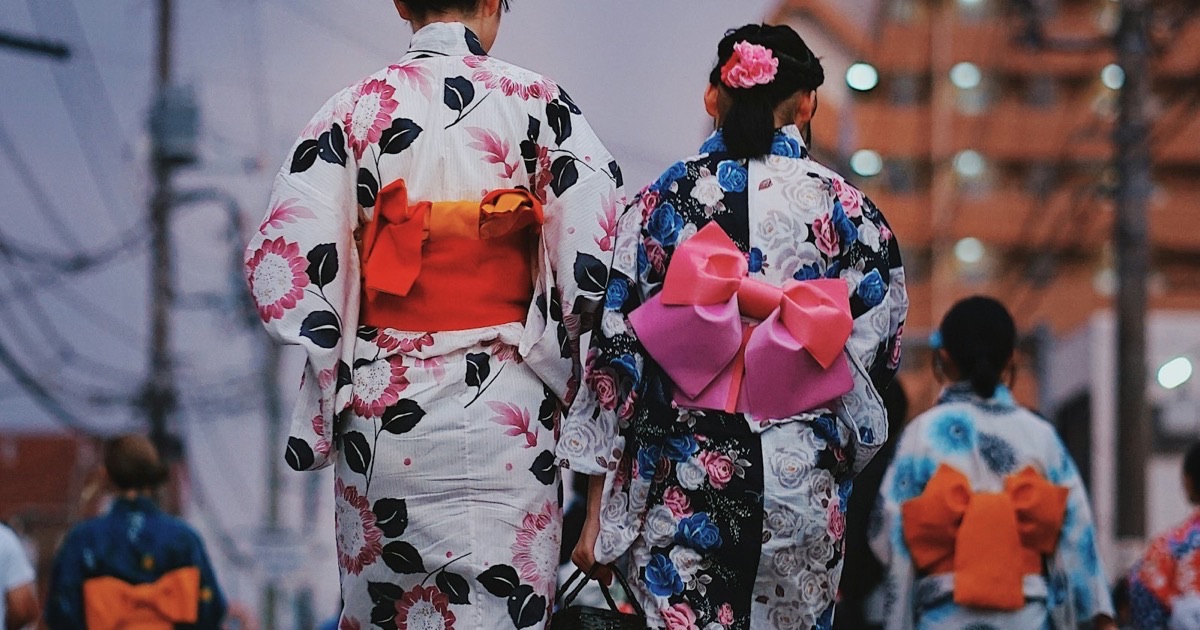
Going to hanabi in Japan for the first time, many people return home with mixed feelings: the fireworks are truly stunning, but their legs are aching, they are hungry and thirsty, their phone battery is dead, and it takes 90 minutes just to board a train. All of those things can be avoided — you just need to know in advance. Here is a complete guide written for first-timers.
1. Before the Day of the Event
Check Three Things
- The official date and time on the organizer's website (do not trust old articles or rumors in group chats).
- The backup date (予備日) in case of rain — many festivals clearly list this.
- The weather forecast and return train times, including the last train.
Gather Your Group and Set the Rules
It sounds formal but it is extremely useful: before leaving, the group should agree on a specific meeting point + meeting time + plan in case you get separated. For example: "If separated, meet at 21:30 at the entrance of the Lawson convenience store north of the bridge; whoever arrives first waits for 20 minutes." In a crowd of hundreds of thousands, making phone calls is nearly impossible — agreeing in advance is the only sure way.
2. Checklist of What to Bring
Essential
- Leisure sheet / picnic mat (レジャーシート) — Daiso 110 yen. The most worthwhile item of the evening.
- Drinking water — buy it at a convenience store beforehand, do not wait until you reach the festival area.
- Fully charged power bank.
- Small cash — many food stalls only accept cash.
- Trash bag — taking your trash back with you is an unwritten rule in Japan.
Highly Recommended
- Handheld fan or paper fan, cooling wipes
- Mosquito repellent spray (riversides are full of mosquitoes in the evening)
- Wet wipes
- Thin poncho-style raincoat (not an umbrella — see the etiquette section)
- Light jacket if going to mountainous or northern regions
- Band-aids in case you wear geta sandals
3. When to Arrive?
| Festival Scale | Recommended Arrival Time |
|---|---|
| Very large (500,000+ visitors) | 2–3 hours early, or from the afternoon if you want a good spot |
| Medium (50,000–200,000) | 1–2 hours early |
| Small, local | 30–60 minutes early |
If you have a paid seating ticket, you have more flexibility, but it is still recommended to arrive 45–60 minutes early because access to the area is restricted and walking takes time.
4. Choosing a Spot
- Upwind if known — fireworks smoke blows with the wind, and sitting downwind means watching through a smokescreen.
- 1–1.5km away from the center: large fireworks reach 300–500m high so they are still clearly visible, while the area is less crowded and leaving is much faster.
- Near a restroom but not right next to it — convenient to use without a constant stream of people walking past.
- Remember landmarks around your spot (lamp post number, tree type, food stall) — so you can find your way back after going to the restroom or buying food.
- Do not block walkways and do not spread out a sheet larger than your group actually needs.
5. Etiquette — What the Japanese Care About
- Do not raise umbrellas in a crowd, even when it rains. Umbrellas block the view of the person behind you; everyone uses a poncho raincoat.
- Do not reserve spaces that are too large or save spots from the day before in prohibited areas.
- Take your trash home. If there are sorting bins, dispose of items in the correct category.
- Do not talk too loudly during the fireworks — many people come just to hear the booming echoes.
- No smoking outside of designated areas.
- Do not use camera flashes or flashlights pointing up at the sky.
- Queue up everywhere: restrooms, food stalls, station gates. Cutting in line is strictly taboo.
6. What to Wear?
Yukata — If You Want the Full Experience
Ready-made yukata cost about 3,000–8,000 yen (Uniqlo, Don Quijote, summer shops). If you are hesitant to put it on yourself, shops in Asakusa or Shinjuku offer rental and dressing services included for about 3,000–6,000 yen, including hair styling.
Three honest things about yukata:
- Geta sandals cause blisters if you walk a lot — apply band-aids to your toe gaps in advance, or bring a light pair of spare shoes in your bag.
- Yukata have no pockets — you need a small pouch (kinchaku) for your phone, wallet, and charger.
- Using the restroom is a bit tricky — practice at home if it is your first time wearing one.
If Wearing Casual Clothes
Breathable, comfortable clothing, comfortable walking shoes (you will walk much more than you think), and a thin outer layer if staying out late.
7. Food and Drinks
Festival food stalls (yatai) are part of the experience: takoyaki, yakisoba, shaved ice (kakigori), french fries, grilled sausages, candied apples. A few notes:
- Prices are higher than outside (a serving of takoyaki for 600–800 yen is normal at festivals).
- Long queues during peak hours from 18:00 to 19:30 — buy early or after the event ends.
- Many stalls only accept cash.
- Money-saving tip: buy main food at a convenience store beforehand, and only buy a few "festival specialty" items for fun.
8. The Way Back — The Part That Shapes Your Memory of the Evening
This is where most beginners underestimate the situation. When the fireworks end, hundreds of thousands of people stand up and head in the same direction at once.
- Plan A — Leave early: leave your spot 10 minutes before the finale. You miss the most beautiful part but catch the train immediately.
- Plan B — Stay for 45–60 minutes: stay in your spot, finish eating, chat, and wait for the crowd to thin out. This is what locals usually do and it is the most comfortable way.
- Plan C — Walk to another station 1.5–2km away. Walk and cool down at the same time, and upon arrival, there is usually plenty of room to stand comfortably.
Note: large stations may restrict entry (入場規制), letting people in in batches. Just patiently line up according to the staff's instructions.
9. Don't Get Lost — And Don't Let Your Phone "Die"
Cell towers overload when hundreds of thousands of people gather in one place, so prepare as if you will lose internet connection:
- Specific meeting point + meeting time, agreed upon in advance (reiterating this because it is the most important thing).
- Take screenshots of the map, tickets, seat numbers, and return train schedules.
- Download offline maps of the area.
- Power bank and turn on power-saving mode from the start of the event.
- Post photos after leaving the area — it's faster, saves battery, and saves data.
- Traveling with young children: take a photo of your child on that day (to describe their clothes if you need help), and write your phone number on a slip of paper placed in their pocket.
10. What If It Rains?
- Light rain: most events still go on. Bringing a poncho is enough.
- Strong winds or thunderstorms: almost certainly postponed or canceled — for safety reasons.
- Decisions are usually announced on the day, sometimes just a few hours prior, on the organizer's homepage and social media. Check before leaving home.
- If postponed to the backup date, seating tickets are usually still valid — but read the specific regulations of each festival carefully.
Conclusion
To sum it up in one sentence: go early, bring a leisure sheet and power bank, lock down a meeting point, sit away from the center, and stay 45 minutes after the end. Do these five things, and you will remember the hanabi night by the image of the brilliant glowing sky and the crowd shouting "tamaya~", rather than the scene of crowding at the station gates. Wishing you a memorable Japanese summer 🎆
Related products
Find your plan with HD TELECOM
SIM, eSIM and Pocket WiFi — genuine quality, clear pricing, 24/7 support.
Smartphone Fireworks Photography and Videography: 12 Tips for Blur-Free Shots
Going to a crowded festival without losing each other: a communication guide when the network is congested
Cut your phone bill in half in Japan: How to choose the right data plan for your needs
Free Daily Calls Home to Vietnam: The Best Apps and Data-Saving Tips